Pixies vs. Fairies

Pixies

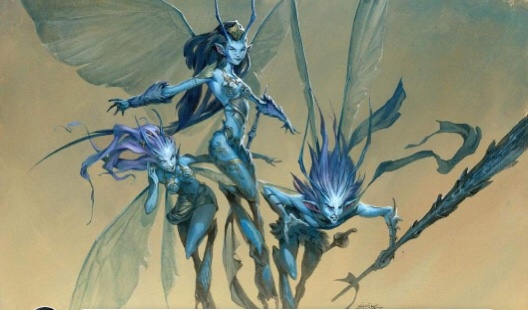
  • Pixies mostly belong to the characters that have a negative role in the movie or literature and may change to good ones latter.
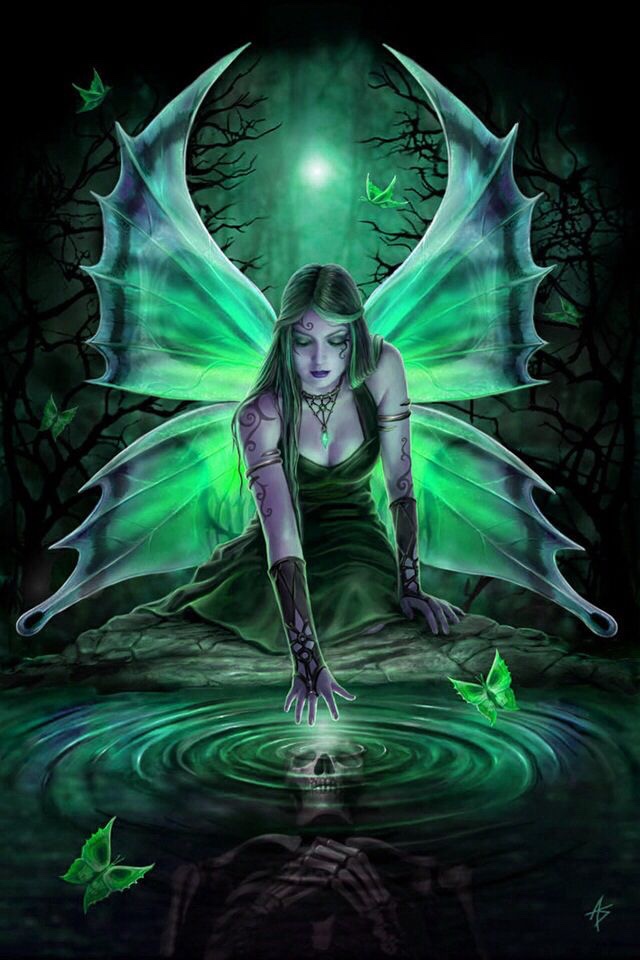
  • Pixies have colored skin and hair with butterfly wings.
  • Pixies are mostly found in Celtic folklore.
  • Pixies are four inches tall and are known to live in gardens.
  • Pixies are often described to be smaller than fairies. They have pointed ears.
  • Pixies live in gardens.
  • Pixies are said to have more magical powers such as bestowing wealth, kindness and intelligence.
  • Pixies in folklore are often naked or poorly dressed, but in modern portrayals they often wear a green outfits and pointy hats.
  • There are both male and female fairies.
  • Pixies are commonly known for misleading and dancing.

Fairies

  • Fairy mostly acts as a positive character that shows people the right path and therefore has an important role until the end.
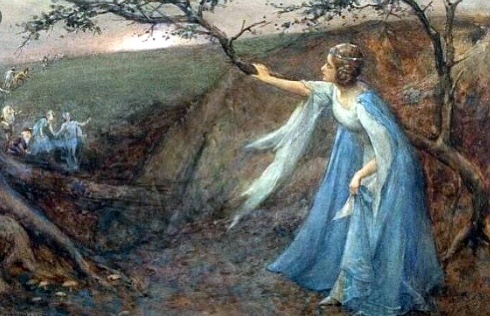
  • Fairies are just like miniature human beings with large wings on their backs.
  • Fairies are commonly found in Celtic folklore.
  • Fairies are taller and are about six inches tall.
  • Fairies are often described as human in appearance. They have a pair of wings.
  • Fairies are known to live under the water or in the hills.
  • Fairies are also known to have powers to change the curious aspects of nature.
  • Fairies are generally portrayed as elegantly and beautifully dressed.
  • It is difficult to say the gender of a pixie.
  • Fairies are glorified for their ethereal beauty.
Sirens vs. Mermaids

Sirens

  • In Greek mythology, the Sirens were actually winged, half-human, half-bird creatures.
  • According to literature, the Sirens lived on an island near Scylla and Charybdis (traditionally located in the Strait of Messina between Italy and Sicily).
  • In most folklore, sirens have been shown singing songs.
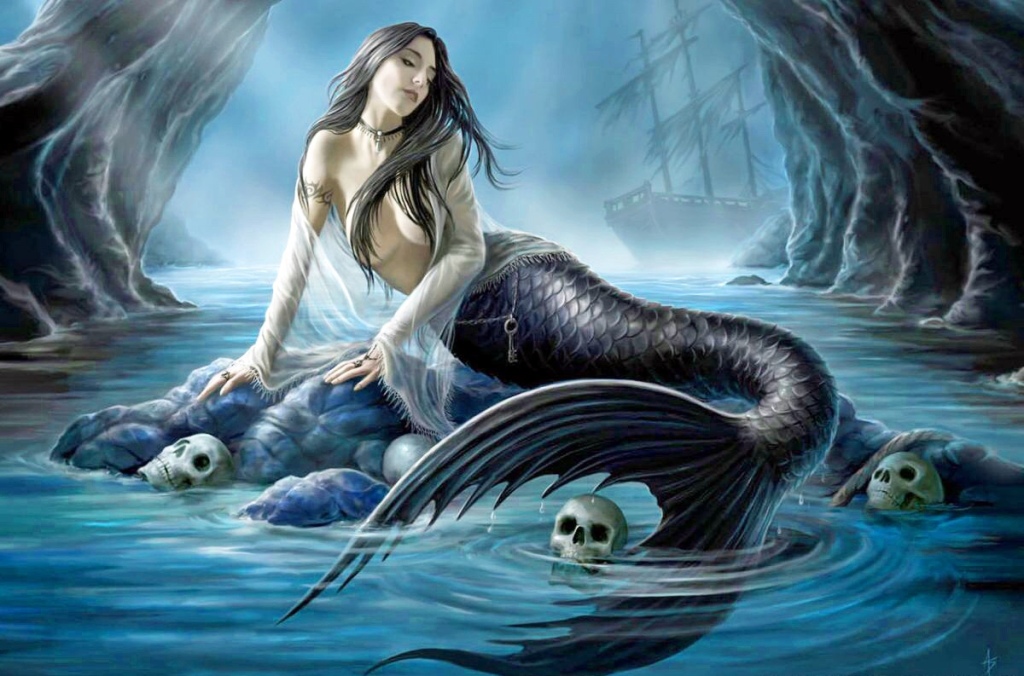
  • In most Greek poet and tradition, the Sirens were depicted as beautiful maidens that would sit half-naked on rocky shores. They would then lure sailors to them using their beautiful singing voices; with the sailors following them not knowing that they are sailing into problems.
  • According to classical Greek poets and traditions, there are around seven named sirens, they include: Anglaope, Molpe, Peisinoe, Thelxiope, Leucosia, Pathenope and Ligeia.
  • The sirens are often cited as being fathered by the river God Achelous, with the mother usually being cited as being one of the nine muses, they include: Calliope, Terpischore, Melpomene or Sterope.
  • A famous Greek folktale claimed that the Sirens were fated to die if any mortal should hear them sing and live to tell the story.

Mermaids

  • In folklore, a mermaid is an aquatic creature with the head and the upper body of a female human and the tail of a fish.
  • Mermaids are present in almost every culture’s mythology, from Europe and the Americas, to the Near East, Africa and Asia.
  • In all folklores, mermaids are depicted as magical creatures that live and dwell under the sea with their own culture and customs.
  • In many poets and traditions, mermaids are usually depicted as peaceful, non-violent creatures that try to live their lives away from human interference.
  • In some folklore, mermaids are sometimes associated with perilous events such as floods, storms, and shipwrecks and drowning.
  • A famous Greek folktale claimed that Alexander the Great’s sister, Thessalonike was transformed into a mermaid upon her death in 295 BC and lived in the Aegean Sea.

Jiangshi (Hopping Corpse)

The myth of the hopping corpse of China comes from a story titled The Corpse Who Traveled a Thousand Miles. It is a tale about a wizard who enchants corpses to hop home so that they may receive proper burial and their P’O (soul) can be laid to rest. It has been speculated that if smugglers did not invent the tale, they most certainly capitalized upon it by dressing up as these corpses and hopping to scare away superstitious local law enforcement.

According to the myth, a corpse that has had its yin shocked and its P’O disrupted will become a vampiric revenant. Events that can cause this to happen are if a cat jumps over a corpse, moonlight falls on it, or the body was not sent back to its home for proper burial. If the P’O will not leave the body, the soul cannot be laid to rest.

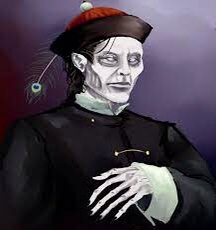
A hopping corpse is described as wearing burial clothes from the Qing Dynasty and is accom- panied by monks, mourners, and Taoist priests. Its eyes are bulging out of its sockets and its tongue is lolling from its mouth. Its arms are out stretched and it smells horrible enough to make a man fall unconscious.

A hopping corpse hunts by its sense of smell, and when it finds someone, it goes right for the throat, either biting right in the jugular or strangling the person to death. It has the power to kill a person instantly with a single touch, never grows tired, and can fly if need be.

Yellow and red Chinese death blessings placed on its forehead will slow it down, as will throwing long grain rice at it, since it will be compelled to count them. It can be warded off for a while, as it is afraid of chicken blood, straw brooms, and Taoist eight-sided mirrors. However, to destroy a hopping corpse, only long-term exposure to dawn’s light or by burning it and its coffin to ash will work.

Elves

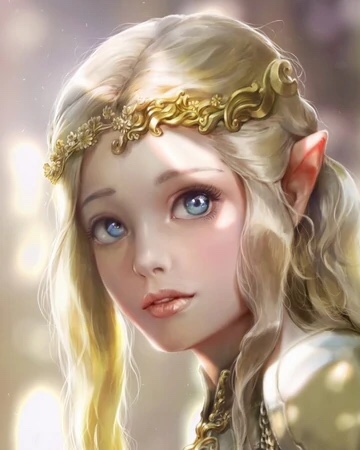
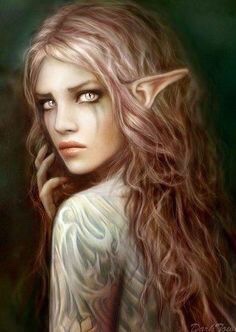
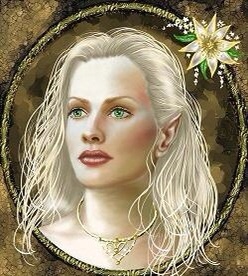
Elves are nature spirits who appear in various folklore and mythology around the world. The term Elf encompasses various beings that vary across cultures, but it is most commonly associated with early Germanic tribes, Britain, and Iceland, as well as in Teutonic and Norse mythology.

Initially, the term Elf included all varieties of Fae in Anglo-Saxon, but it eventually came to represent a specific type of Fae. Over time, many cultures accepted this shift in meaning as well. Elves are human-like Fae who can change their appearance freely.

Depending on the culture, folklore, or location, Elves can go by different names, including –

  • Schrat (German)
  • Grove folk or Elvor (Sweden)
  • Ellen or Elle Folk (Danish)
  • Spae-wives (Iceland)

Tuatha dè Danann

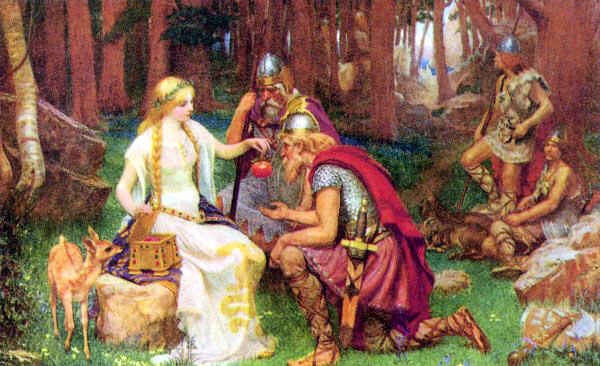
Prevalent in ancient Celtic mythology is theTuatha dè Danann (pronounced Too-a Day Dah-nuhn), which means People of the Goddess Danu, and they are believed to be her children.

They are believed to have magically materialized from a cloud of mist from across the northern sea.

They brought with them from across the sea four deeply magical objects:

Lia Fail, the Stone of Destiny (also the Stone of Scone, upon which ancient Irish-and later, Scottish – kings were crowned);

the Invicible Spear of Lugh (which always hit its target mere moments after being thrown, and made Lugh unstoppable in battle);

the “Shining Sword” of Nuada (also called the Sword of Light), which could allegedly dispel truth from lies, enforce the law, dispense justice, and punish the enemies of Ireland;

and the Cauldron of Dagda, which not only continuously dispensed unlimited food and drink to the worthy, but was also capable of healing wounds and resurrecting dead warriors.”

D.R. McElroy – Superstitions A Handbook of Folklore, Myths, and Legends from Around the World

The Tuatha dè Danann were immortal and known for their magical abilities, as well as their power, charm, elegance, and cleverness. They were believed to have ruled Ireland four thousand years ago.

They’re described as beautiful and graceful, often have pale or golden skin, and some believe they have Greek origins.

They withdrew to the Otherworld underground beneath the Sidhe mounds when they were invaded and overpowered by the Milesians. Scholars believe the Milesians were most likely the first Gaels in Ireland and ancestors of the modern Irish.

It is thought they continue to practice their magic in the Otherworld. Their courts, towns, culture, and festivities have all been preserved. Humans might venture too far into this Otherworld if they found the secret entrance.

Atlas

Atlas was a second-generation Titan god, from a patrilineal perspective. He was the child of the first-generation Titan Iapetus and Clymene, a daughter of Iapetus’s brother Oceanus (an Oceanid). With his Oceanid aunt Pleione he sired the Pleiades, the Hyades (whose mother is also named as Aethra, another Oceanid), and Calypso. With Hesperis, daughter of the Evening Star Hesper, he produced the Hesperides. Atlas’s brothers were Prometheus, Epimetheus, and Menoetius.

The mythographer Hyginus reports that as a consequence of his leadership role in the power struggle between the Olympian gods and the Titans, Zeus punished him by placing the heavens on his shoulders. Atlas was said to live by the garden of the Hesperides, on the westernmost shores of the river Oceanus, in Libya, or in the distant North (or East), where the Hyperboreans resided.

Hercules enlisted Atlas’s assistance when he went to fetch the apples of the Hesperides: Hercules asked Atlas to retrieve the apples in exchange for giving Atlas a break from holding up the heavens by shouldering the burden himself. But Atlas, apples in hand, attempted to protract the reprieve from his onerous task by offering then to deliver the apples to Eurystheus, at whose behest Hercules was performing the task. Hercules tricked him into taking the heavens back by asking him to hold up the burden momentarily while he looked for a pillow to cushion his shoulders. Needless to say, Hercules did not resume the burden. Atlas also played a role in the saga of the hero Perseus. As retribution for not having offered him hospitality, Perseus, holding up Medusa’s severed head, transformed Atlas into the mountains that still bear his name.

Sources: Classical Mythology A to Z

Will o’ the Wisps

Will o’ the Wisp, sometimes known as Jack-o’-lantern, is a type of Fae pixie believed to inhabit the marshes and bogs of England. Will O’ Wisps are nature spirits that inhabit the elements of the earth.

The name Will o’ the Wisp is derived from the Saxon word wile and means trickery or deceitfulness combined with the Swedish word Wisp, meaning a bundle of tinder.

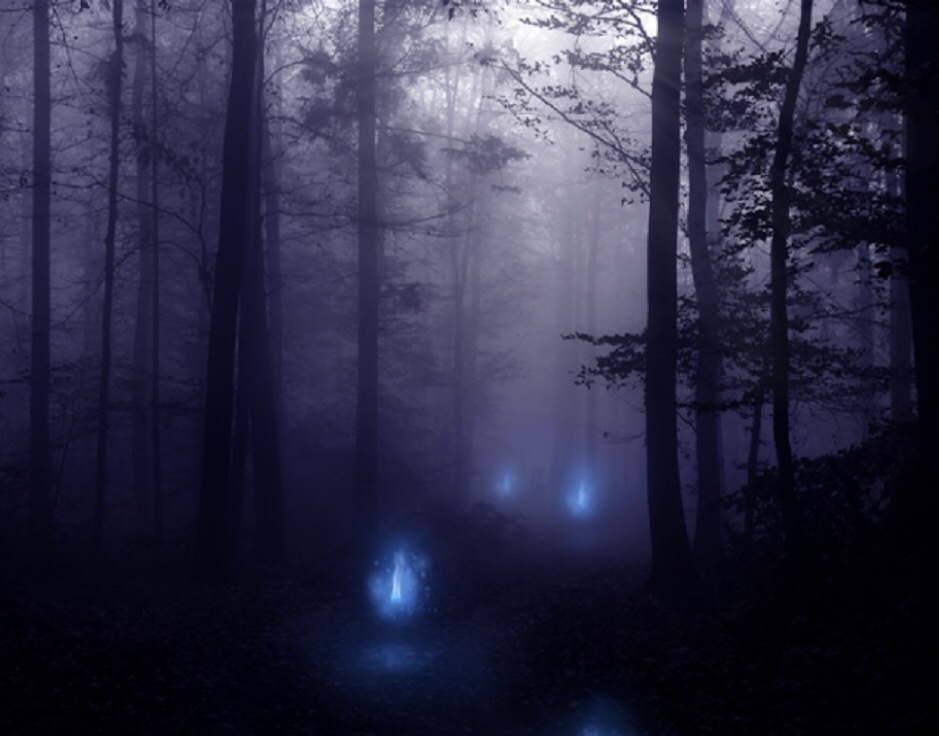
Travelers at night describe theWill o’ the Wisp as ghost-like blue flames, with an unwavering glow, that floats a few feet above the ground.

Will o’ the Wisps have a variety of folklore associated with them and some say they’re flames created by Fae, lights carried by Elves, unbaptized children, or souls who evaded purgatory.

They’re sometimes claimed to give you the power of divination and prophecy, but mostly they’re believed to be mischievous creatures.

It’s often said Will o’ the Wisps love to flit from one place to another, leading travelers astray with their ghost lights and into ditches or bogs.

Will o’ the Wisps have been observed in a variety of locations throughout the world with different names including Germany (Irrlicht), Finland (Liekko), France, (Feu Follets), Sweden (Irrbloss), the Netherlands (dwaallicht), and in Norway where it’s called Hoberdy’s Lantern.

The scientifc community has provided their explanation for these mysterious blue lights found above swamps and marshes throughout the world. It’s called ignis fatuus meaning foolish or false fire.

The [Jack-o’-lantern] phenomenon is generally believed to be due to the spontaneous ignition of marsh gas, which consists mostly of methane and which is produced by the decomposition of dead plant matter.

Britannica – Jack-o’-lantern phenomenon

Undines

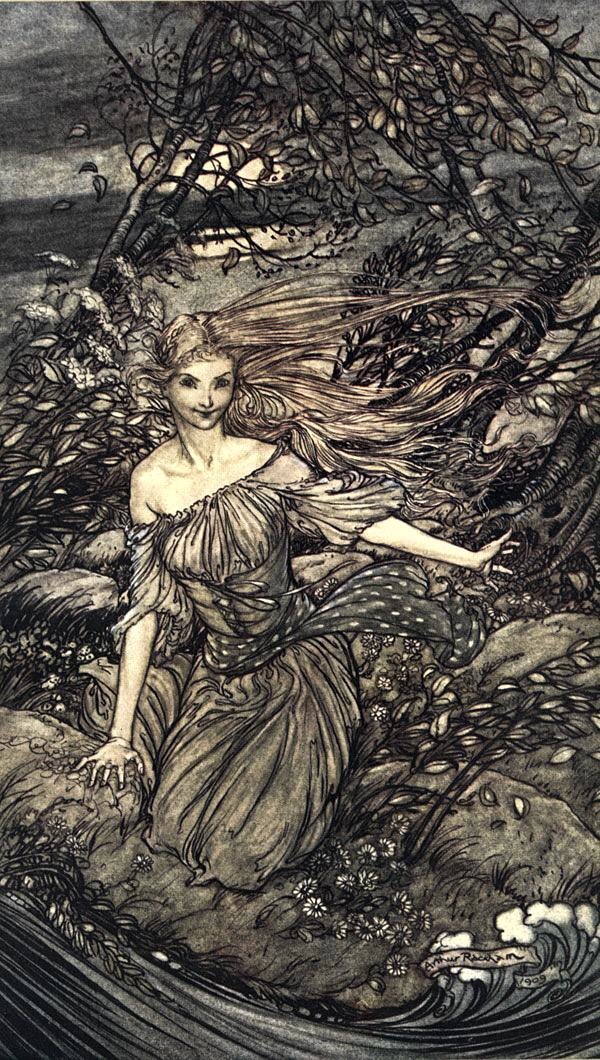
Undines, sometimes spelled Ondine, are a water nymph who becomes human when she falls in love with a mortal man. If he is unfaithful, her death is inevitable.

Derived from the Latin word unda, which means wave or water.

Undines were first discussed by Paracelsus (circa 1493 – 1541). They are believed to be connected to Greek mythology figures known as Nereids, who were portrayed as young women who lived in any body of water and were kind to humans.

A story of an Undine tells of how, in a fishing village, a human couple had lost their own child but shortly after found a baby left at their door. They took her in as their own, and she grew to a most beautiful young woman with pearly skin and green eyes, both loving and fickle in her nature.

Hildebrand saw and fell in love with her and took her as his wife. But he betrayed her with another named Bertalda. With this breaking of the vow, Undine was reclaimed by her Merfolk and vanished back to the sea.

However, on the eve of his wedding to Bertalda, Hildebrand went to the well in the courtyard and there he saw Undine. She embraced him and took his soul with her to the waters, leaving his body by the well.

Carol Rose – Spirits, Fairies, Gnomes, and Goblins

Faerie Classifications

According to most Fae legends, there are two types of Fae: Trooping faeries and Solitary faeries.

It’s smart to familiarize yourself with the many types of Fae and research the ones you prefer to work with. Always cross-reference books, videos, or your research materials!

Trooping Faeries:

Trooping faeries usually travel in large groups and are recognized for dancing, partying, and throwing exciting festivities and fairs.

Most of the legends about Trooping faeries describe them as fun-loving and always looking for lighthearted entertainment.

Trooping faeries are typically a part of the Seelie Court and are mostly occupied with their community and peaceful society, including royalty and high society.

Solitary Faeries:

Some faeries exist entirely on their own and are referred to as Solitary faeries. Many stories of lone faeries portray them as quickly vanishing around boulders or appearing to evaporate into thin air. Solitary Fae are often less interested in human affairs.

Solitary Fae are often seen less frequently and are believed to be keepers of wisdom and knowledge. They live in caverns, pits, marshes, and ditches and are mostly hidden. Solitary Fae are only noticed by humans if they are intentionally enticed into peril or when the Fae were unknowingly observed by a passerby.

Salamanders

Salamanders are a type of elemental spirit commonly associated with fire. Salamanders were first described by German-Swiss physician Paracelsus (1493 -1541) and have remained popular in esoteric occultism, literature, and art since then.

Paracelsus believed that since Nature is made up of elements we can see, they must also have spiritual counterparts of peculiar creatures we can’t see. He called these the Elementals, which are now referred to as Nature spirits, and divided them into four groups gnomes (earth), undines (water), sylphs (air), and salamanders (fire).

In the folklore of Salamanders, there are two forms. The first is their association with fire: Salamanders purify the soul through fire and illuminate the mind with wisdom. Second, they represent an aspect of spirit that must be re-awakened and a force that assists in spiritual transformation.

Depictions of Salamanders vary greatly! Some people insist they are little balls of light, but during the Middle Ages, many claimed they are lizard-like in appearance. Alternatively, Salamanders are sometimes described as slender, red, and dry-skinned creatures with a malevolent demeanor.