Valknut: Viking Symbol For Death In A Battle

The Valknut, also known as Hrungnir’s heart, heart of the slain, Heart of Vala, and borromean triangles is a mysterious Norse symbol. its true meaning is still debated, but it is often associated with a warrior’s death in a battle.

The symbol has been found on old Norse stone carvings and funerary steles. It is sometimes called “Hrungnir’s heart,” after the legendary giant of the Eddas. It’s also possible to find a depiction of the Valknut on stone carvings as a funerary motif, where it probably signified the afterlife. In art, the Valknut is a representation of God Odin, and it demonstrates gods’ power over death. A Valknut is also believed to offer protection against spirits which is the reason why it is often carried as a talisman.

A Valknut is made of three parts, and the number three is a very common magic symbol in many cultures. In this case, the symbolism in Norse mythology showing three multiplied by three might designate the nine worlds, which are united by the Yggdrasil tree. In modern times Valknut, like Triquetra and Horn Triskelion, is often interpreted as a symbol pointing to heathen convictions.
Homemade Mayonnaise

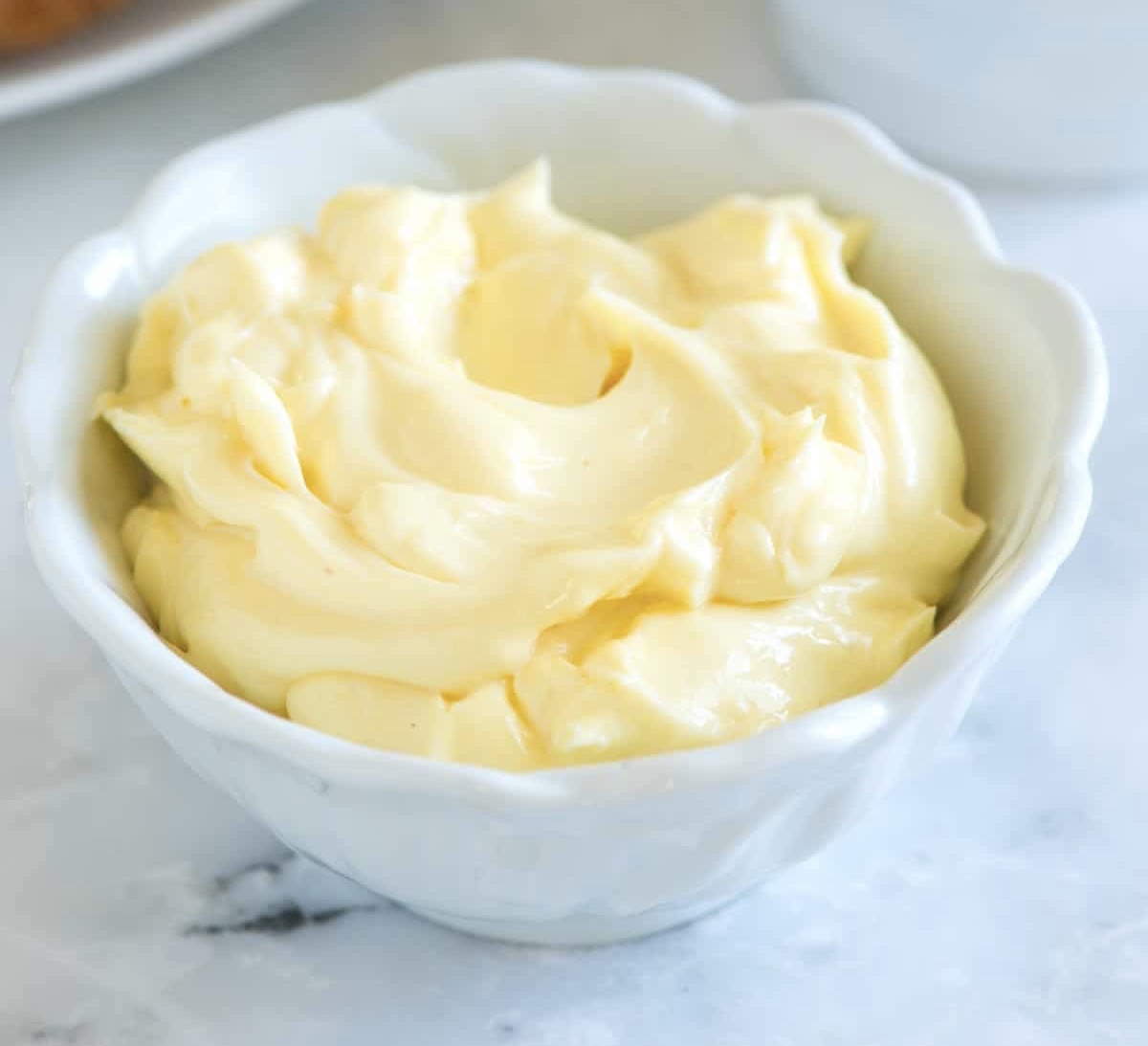
Homemade Mayonnaise

3 large egg yolks
2 teaspoons dry mustard powder
1 teaspoon onion powder
2 teaspoons sugar
2 teaspoons freshly squeezed lemon juice
3½ cups peanut oil
1 tablespoon white wine vinegar
Salt and freshly ground white pepper

In a stand mixer fitted with the whisk attachment, combine the yolks, dry mustard powder, onion powder, sugar, and lemon juice and whisk on high speed for 2 to 3 minutes, until the yolks are creamy. Drizzle the oil into the yolks in a slow, steady stream until the mixture forms a thick emulsion.

Blend in the vinegar and a good pinch each of salt and white pepper and combine well. Adjust the seasoning to taste. Transfer to a clean container, cover, and refrigerate for up to 2 weeks.

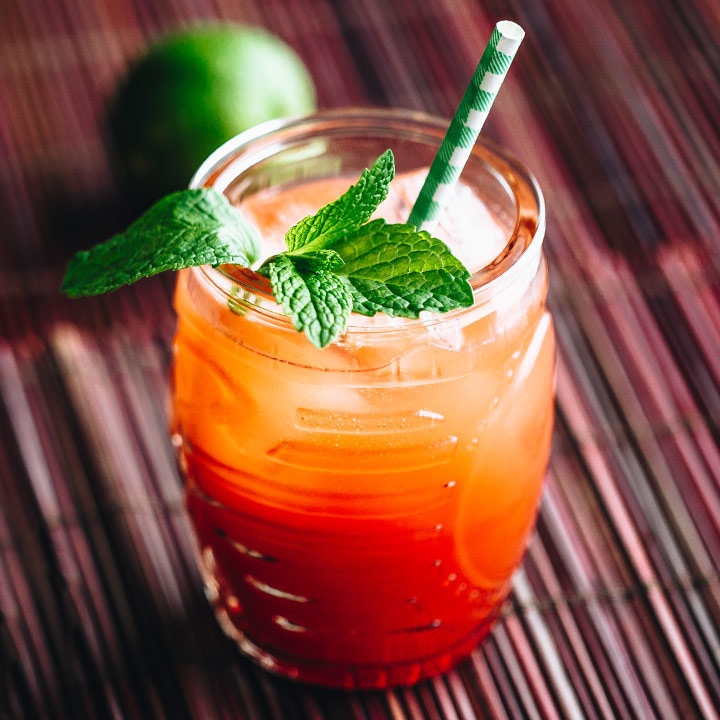
Simple Planter’s Punch

This tropical drink hails from Cuba.

1 (750-Ml) Bottle Dark Rum
1 (6-Ounce) Can Frozen Pink Lemonade Concentrate
1 (6-Ounce) Can Frozen Orange Juice Concentrate
2 Ounces Freshly Squeezed Lime Juice
1½ Ounces Grenadine
4 Cups Water

Garnishes: Orange Slice and Maraschino Cherry, sometimes the addition of fresh mint.

Combine all ingredients except the garnishes in a large container; stir well.

Chill until ready to serve, then ladle or pour into ice-filled cocktail glasses. Add the garnishes.

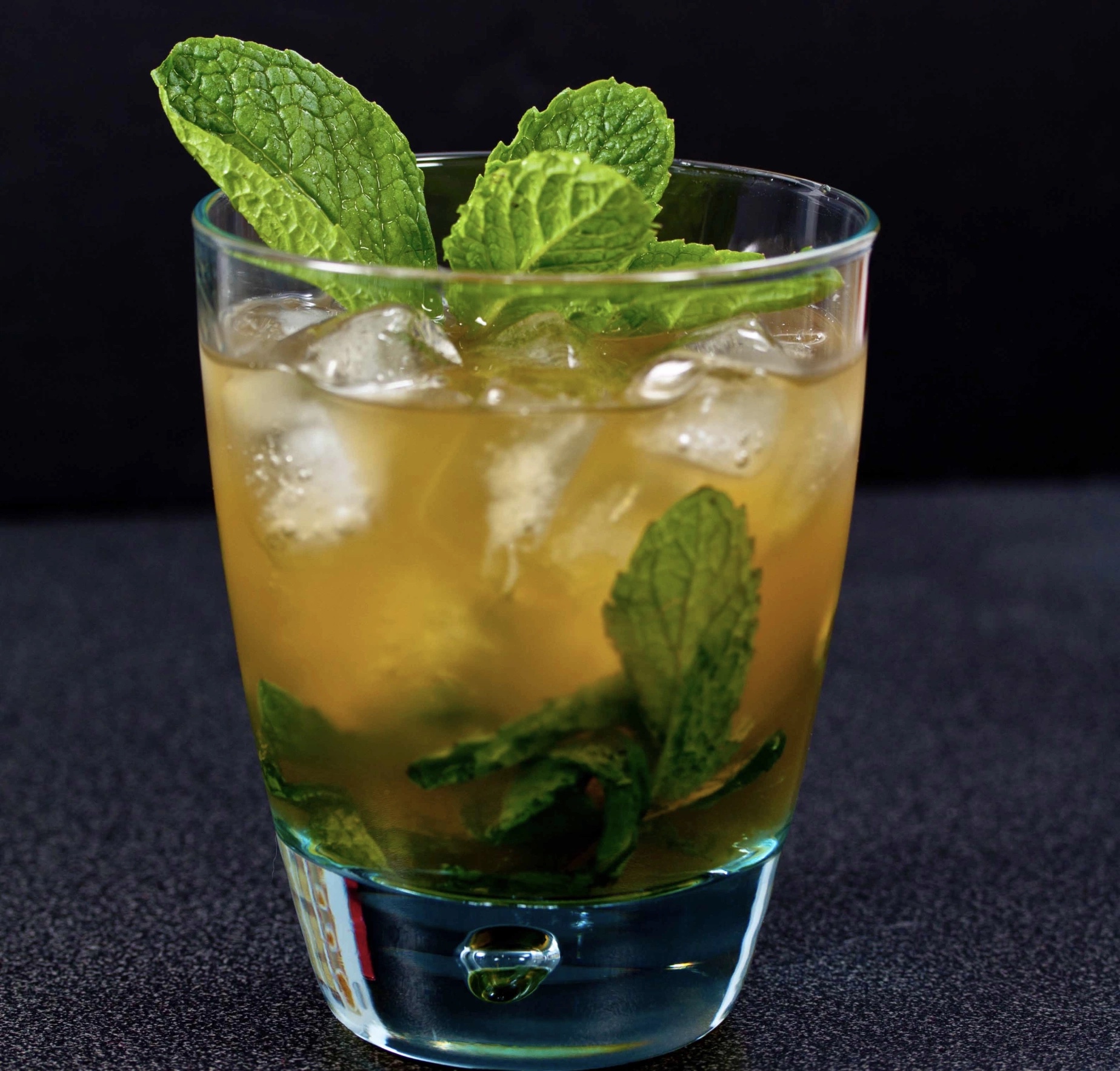
Mint Julep

2 sprigs fresh mint
1 teaspoon sugar
A few drops of water
2 jiggers bourbon whiskey
Ice, finely crushed

Put the sprigs of fresh mint in the bottom of a glass. Add the sugar and a few drops of water. Using a wooden muddler, thoroughly bruise the mint with the sugar and water.

Pour in 1 jigger bourbon whiskey. Pack the glass to the brim with finely crushed ice. Add the remaining 1 jigger whiskey and let it trickle down to the bottom of the glass. Put a sprig of fresh mint in the top of the glass and serve.

Yggdrasil: Norse Tree Of Life

In Norse mythology, the Yggdrasil is a giant mythological tree that holds together the Nine Worlds or realms of existence.

At the very top of Yggdrasil, an eagle lived and at the bottom of the tree lived a dragon named Nidhug. Both hated each other and were bitter enemies. The Nine Worlds are guarded by the serpent Jormungandr. Yggdrasil is one of many variations of the Cosmic Axis or Universal World Tree known to all human cultures and home to many fascinating creatures.

The image of Yggdrasil appears on the famous Överhogdal Tapestry, which dates to the year 1066 and depicts the events of Ragnarok, the doom of the Gods and apocalyptic record of the coming comet.

Mjölnir: Thor’s Hammer

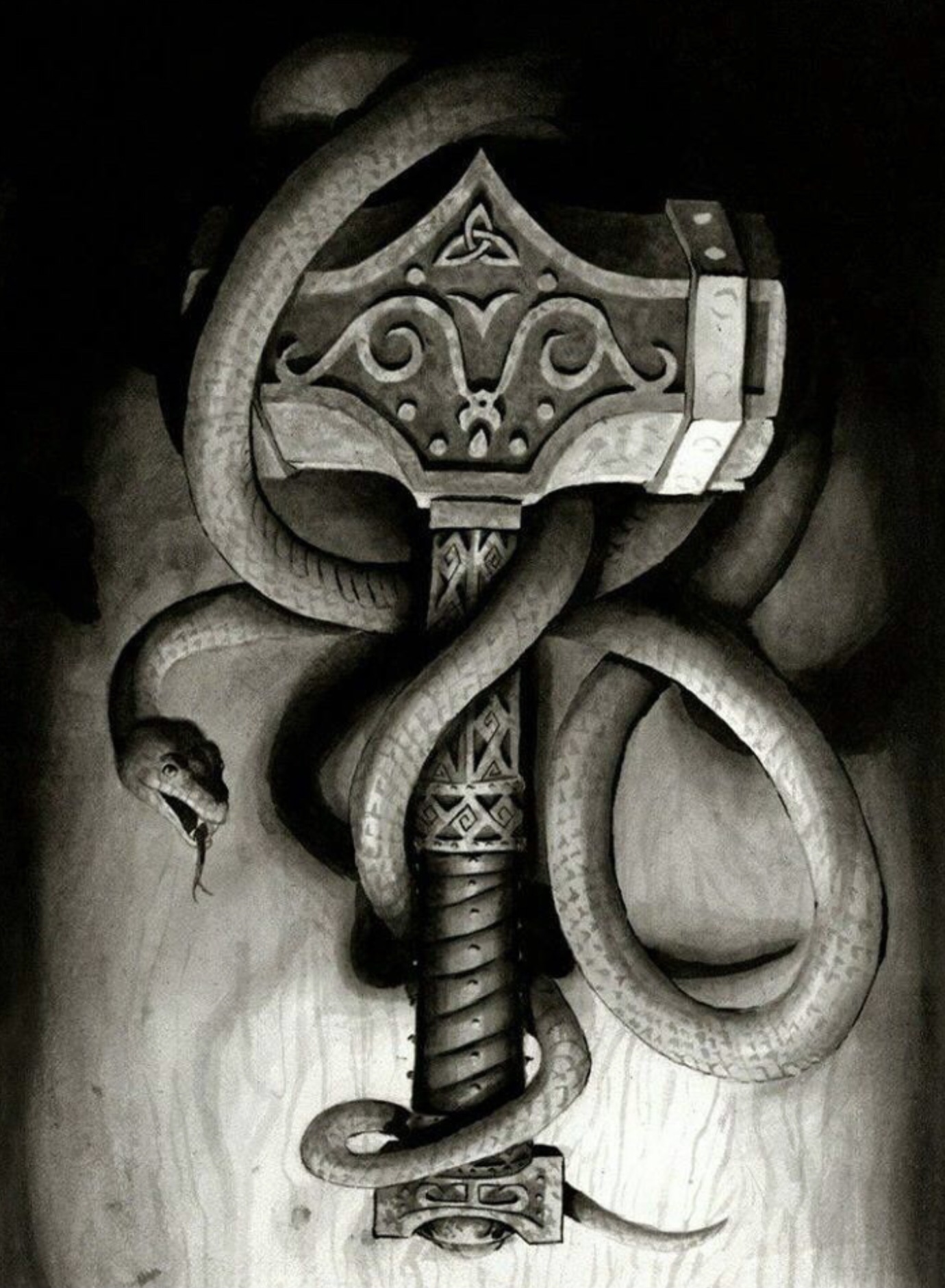
Mjölnir means lightning, and Thor’s hammer indicates the god’s power over thunder and lightning. Thor, ancient god of war is one of the most prominent figures in Norse mythology. Thor who was the storm-weather god of sky and thunder and also a fertility god, was  the son of Odin and Fyorgyn, the earth goddess.

Thor’s hammer, Mjölnir is depicted in Norse mythology as one of the most fearsome weapons, capable of leveling mountains. Mjölnir, was a magical weapon that always came back to Thor when he threw it. Wearing Thor’s hammer as an amulet of protection was quite common as this was probably the most popular of all the pagan Viking symbols. Even during Christian times, from A.D. 1000 on, Vikings wore Thor’s Mjölnir as well as a cross on a chain or thong around their necks.

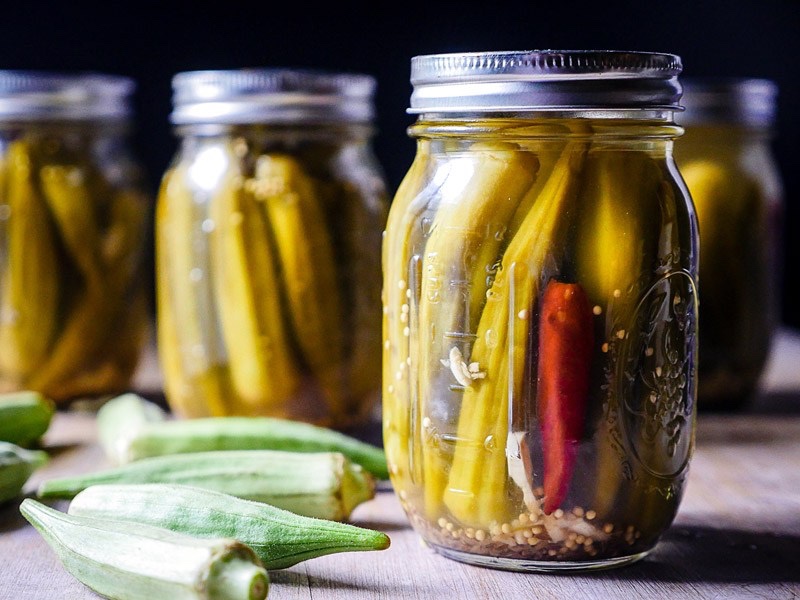
Pickled Okra

3 pounds (2½- to 3-inch) okra pods
3 cups white vinegar (5% acidity)
⅓ cup canning-and-pickling salt
2 tsp. dill seeds
5 garlic cloves, peeled
3 small fresh hot red peppers, halved

Sterilize jars, and prepare lids.

While jars are boiling, wash okra and trim stems, leaving caps intact. Combine vinegar, salt, dill seeds, and 3 cups water in large saucepan. Bring to a boil.

Place 1 garlic clove and 1 hot pepper half in each hot jar. Pack okra pods tightly in jars, leaving ½-inch headspace. Cover okra with hot pickling liquid, leaving ½-inch headspace.

Seal and process jars processing 10 minutes.

Remove jars from water, and let stand, undisturbed, at room temperature 24 hours. Store jars in a cool, dark place up to 1 year. Refrigerate after opening.

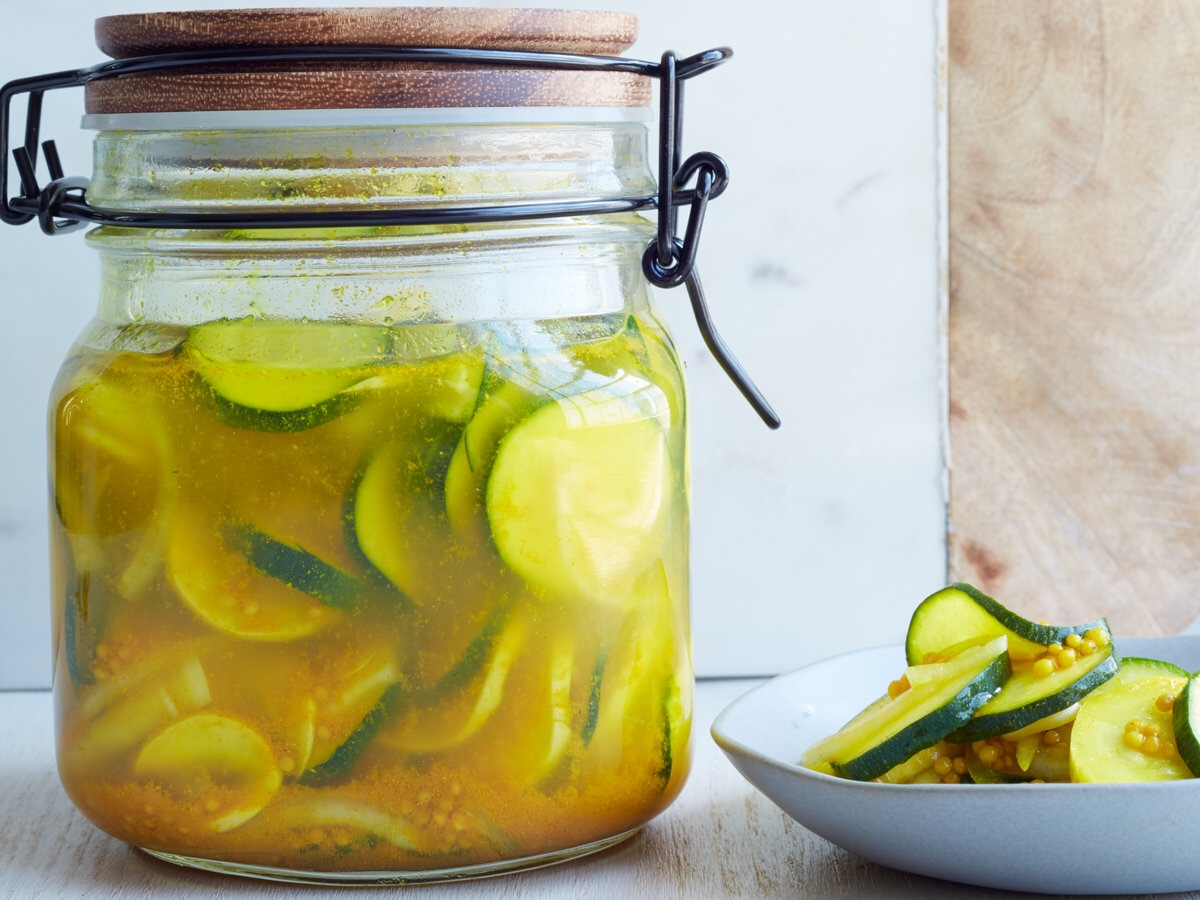
Zucchini Pickles

7 pounds Zucchini sliced thin

1 cup lime juice

Gallon of water

Syrup

9 Cups sugar

2 Quarts Of vinegar

1/4 teaspoon celery seed

1/2 tablespoon mustard seed

1 tablespoon whole cloves

1 teaspoon pickling spice

Soak zucchini in water lime mixture for 24 hours.  Drain and rinse 4 to 5 times.  Soak in clear cold water for 3 hours.  Drain.

Mix syrup and bring to a boil.  Pour over zucchini and let stand for 3 hours.  Boil 35 to 40 minutes.  Can hot

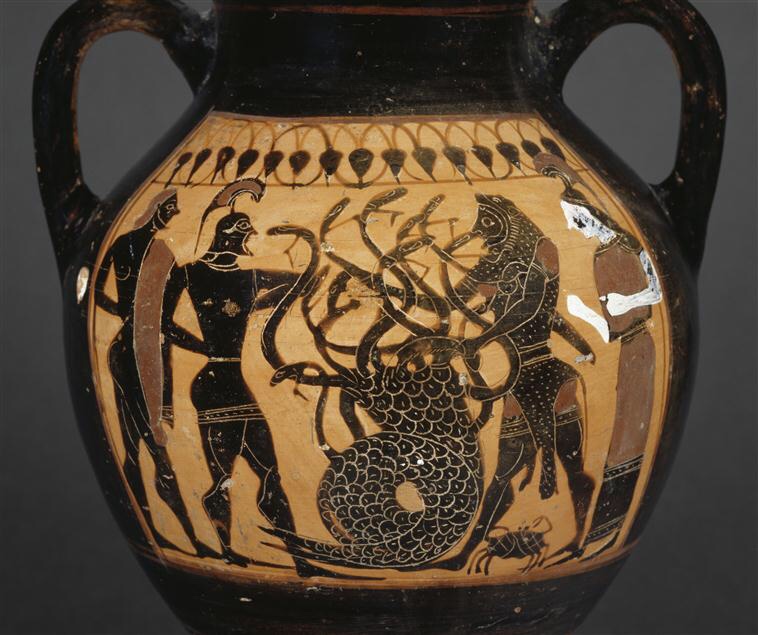
The Hydra of Lerna

The Hydra was an enormous serpent with nine heads—or as many as fifty or one hundred—one of which was immortal. Its parents were the giant Typhon and Echidna, half maiden and half serpent, the so-called “mother of all monsters.” The Hydra’s haunts were the marshes of Lerna, near the city of Argos.

The second of Hercules’s Labors was the slaying of the Hydra. But each time that Hercules would cut off one of its heads, two would grow in its place. Not only this, but a giant crab that kept the Hydra company appeared and joined the fray. Hercules’s clever nephew and companion Iolaus proposed a remedy: the moment Hercules severed a head, Iolaus would cauterize the stump with a firebrand. This the two did until only the Hydra’s immortal head remained. Hercules then cut off this head, and after burying it beneath a boulder, dipped his arrows in the Hydra’s lethal venom. Both the Hydra and the crab, which Hercules had also slain, were placed in the heavens by the goddess Hera as constellations.