

Sidhe

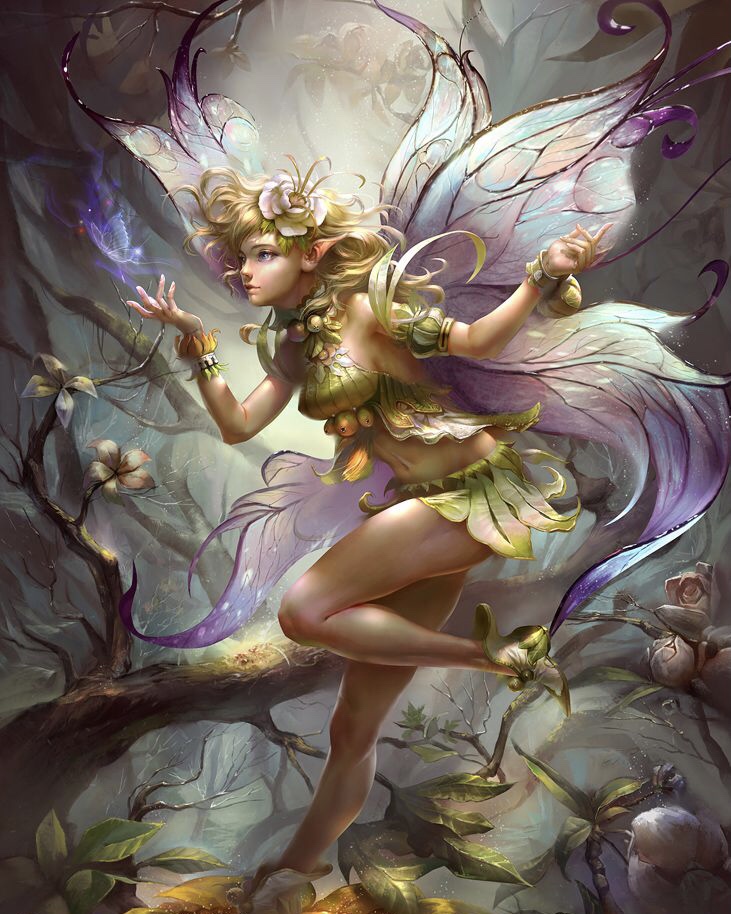
Sidhe are the more modern versions of the Tuatha Dé Danann, the fairy race of Old Ireland who were great masters of magic and appeared in early Celtic mythic tales such as Tochmarc Étaíne. After being conquered by the Sons of Mil (ancestors of the Irish people), the Tuatha Dé Danann retreated underground and dwindled into the still unearthly beautiful (but diminished) sidhe. The word “sidhe” originally referred to the fairy mounds where these beings lived. Tad Williams’s Sithi race from his epic fantasy trilogy Memory, Sorrow, and Thorn, is akin to the sidhe.

In folk belief and practice, the sidhe are often appeased with offerings, and care is taken to avoid angering or insulting them. Often they are not named directly, but rather spoken of as “The Good Neighbors”, “The Fair Folk”, or simply “The Folk”. The most common names for them, aos sí, aes sídhe, daoine sídhe (singular duine sídhe) and daoine sìth mean, literally, “people of the mounds” (referring to the sídhe). The sidhe are generally described as stunningly beautiful, though they can also be terrible and hideous.

Sidhe are seen as fierce guardians of their abodes—whether a fairy hill, a fairy ring, a special tree (often a hawthorn) or a particular loch or wood. It is believed that infringing on these spaces will cause the sidhe to retaliate in an effort to remove the people or objects that invaded their homes. Many of these tales contribute to the changeling myth in west European folklore, with the sidhe kidnapping trespassers or replacing their children with changelings as a punishment for transgressing.

The sidhe are often connected to certain times of year and hours; as the Gaelic Otherworld is believed to come closer to the mortal world at the times of dusk and dawn, the sidhe correspondingly become easier to encounter. Some festivals such as Samhain, Beltane and Midsummer are also associated with the sidhe.

Sushi Definitions for Foreigners

Definitions:

Neta –> The commonly used term for sushi toppings, such as seafood ingredients. The salmon that sits on top of your nigiri? Yep, that’s neta! 

Shari –> Sushi rice is called “shari”. It’s commonly flavored with vinegar, sugar, and salt. Shari plays a very crucial role in the flavors of sushi and shouldn’t be overlooked!

Murasaki –> Murasaki” is the Japanese word for the color purple, but in the sushi world, it’s the term used for soy sauce. It’s said that during the Edo period (1603-1868), soy sauce was referred to as murasaki because of its purple color. It was also believed that, as soy sauce was regarded as a luxury ingredient in olden days, it was dubbed “murasaki” due to the view of purple as a symbol of wealth in Japan.

Sabi, Namida –> Other ways to say wasabi. “Namida” means “tears”, and it was named this because it can cause one’s eyes to start watering after eating a bit too much of it at one time or getting a huge whiff of its sharp, distinct smell.

Nigiri –> is what most people think of when it comes to sushi – sushi rice seasoned with sugar, vinegar, and salt, then topped with items like seafood or egg. 

Gunkan –> is a type of sushi in which a strip of seaweed is wrapped around the rice to form a “boat” shape then topped with a neta. The name “gunkan” (or “battleship”) comes from its boat-like appearance.

Zuke –> “Zuke” is derived from the words “tsukemono” (Japanese pickles) or “shoyuzuke” (soy sauce marinade), a preparation method that was born in olden times with the aim of preserving food for long periods of time.

Gyoku –> Gyoku is another way to read the first character of the kanji characters for tamago (egg). Sushi topped with tamagoyaki (Japanese egg omelet) is one of the standard choices for sushi. It’s even said that you can determine the skills of a sushi restaurant’s chefs by the quality of their tamagoyaki.

Gari –> If you ever go to a sushi restaurant, you’ll almost certainly see these thin slices of pickled ginger, which are called “gari”. They have a slight sweetness with a little kick of spice, which has the effect of washing away any residual flavors from fatty fish so that you can taste your next bite of sushi with a clean slate.

Omakase –> You’ve probably experienced difficulties deciding what to order at a sushi restaurant. With the omakase, you’ll not only be rid of the burden of poring over the menu, but you’ll also be served all the sushi chef’s top neta recommendations! The sushi is served one at a time to ensure they are enjoyed at their peak state of deliciousness, and it often features seasonal ingredients and seafood stocked fresh daily.

Agari –> The hot green tea served at sushi restaurants at the end of the meal. The word “agari” includes the meaning of “the last item”. The type of tea served differs by sushi restaurant, but Japanese green tea and bancha (coarse green tea) are the most common. You’ll feel nice and relaxed after wrapping up your delicious meal of sushi with a cup of hot green tea.

Hanarenkon (Flower-Shaped Lotus Root)

  • 3¼ ounces lotus root
  • 2 tablespoons  rice vinegar

Vinegar Mixture

  • 4 tablespoons rice vinegar
  • 2 tablespoons water
  • 2 tablespoons raw sugar
  • 2 tablespoons lemon juice
  • Sea salt, to taste

Combine all ingredients for the vinegar mixture, except
lemon juice, in a saucepan. Place it over low heat to
dissolve all the sugar and salt. Allow to cool.

Peel and slice lotus root into 1/4 inch thick rings. Soak
immediately in water and 1 tablespoon of vinegar to prevent
discolouration. Make flower cuts and drain before using.

Boil a pot of water and add the other tablespoon of vinegar.
Add sliced lotus root flowers and boil for 5 minutes.
Remove lotus root and allow to cool.

Add lotus root slices to vinegar mixture and lemon juice in
a resealable bag. Remove any air from the bag, seal and
refrigerate for a minimum of 2–3 hours.

They are better on day two after the sweetness and contrasting sourness become more prominent.

Akajiso No Shiomomi (Salted Red Shiso Leaves)

6 tablespoonsfine white sea salt
½ pound red shiso leaves

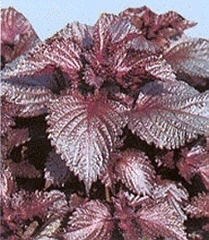
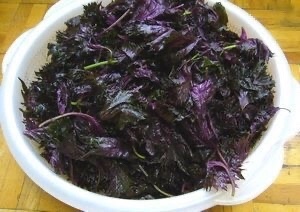
Spread a layer of salt in the bottom of a small crock. Stack the shiso leaves by 10s and lay the first stack of 10 leaves on top of the salt in the crock. Sprinkle more salt on top of the leaves, just enough so the leaves have a light salt coverage. Alternate leaves and salt until you have placed all of the leaves in the crock. Finish with a last layer of salt to cover the top leaves so none are exposed. Cover with a piece of muslin cloth and weight. Store in a cool, dark place for a couple of weeks to a month.

Shichimi Tōgarashi (七味唐辛子): Seven Flavor Chili Pepper

2 tablespoons sanshō or finely ground Szechuan pepper
2 tablespoons dried yuzu peel or orange or lemon peel
4 tablespoons chili powder (the Korean variety if possible)
2 tablespoons aonoriko (nori seaweed flakes)
2 teaspoons black sesame seeds
2 tsp teaspoons hemp seeds
2 teaspoons garlic powder

Mix everything together and store in an airtight container.  These amounts are just a guideline and adjust seasonings to your taste.

Pixies

Pixies are the whimsical and tiny fairy creatures often depicted in Victorian fairy paintings and the popular work of artist Cicely Mary Barker.

Pixies do often have wings, and love dancing and playing games. They’re also fond of flowers and gardens. Pixies are often drawn to laughter, children, and merrymaking. Tinker Bell from J. M. Barrie’s Peter Pan is a pixie.

Faerie Glamour

Glamour is an archaic word for the magic of the Fae. Glamour can make curious onlookers see what they wish that person to see or not see what they do not wish that person to see with this ability. It can also hide the true whereabouts of a faery, so one could say it’s a survival skill in addition to being magical. So, when someones says, “Looks can be deceiving.” You may want to make a important mental note of that.

Glamour is a Fae-wide ability, how the ability is used is up to the individual. However in most cases, Fae use the ability to modify their appearance with glamour i.e. eye color, hair color, and shapeshifting to appear as animals or other creatures. Even so, please do not think that every faery is wearing nothing but glamour to hide their hideous faces and bodies. Simply not true. Plenty of fae are naturally ravishing people, and there are plenty of fae who are much less attractive.

Faerie glamour, than any other means of alteration is being-specific. Some people wonder about if glamour is more of an hypnosis effect. Well no, that’s not something tied to glamour specifically. When using glamour no one is really being hypnotized to the point where the person can’t look away, because the person most certainly can. It more eye-trickery and confusion than anything. It’s to hinder the person from seeing what is true. Fae really do not put on that much glamour as people would like to think. So, think about that before you can look right through the disguise and paint us ugly or all beautiful.

Mushiki (蒸し器): Bamboo Steamer

Bamboo steamers consist of interlocking baskets that stack on top of each other, with a lid on top. The entire setup is placed over a wok or pot of simmering water, and the steam rises through the open ridges at the bottom of each basket, up through the layers to cook whatever’s inside. Steaming, as a cooking method, is as important in Japanese and Asian cuisine in general as baking or roasting is in American or European cooking. A bamboo steamer can steam not just buns and dumplings, but also breads, vegetables, rice, proteins, and cakes and other desserts.

How to use a bamboo steamer:

Fill your wok or pot with water

Place the bamboo steamer into your wok and fill it with enough water to come up above the bottom rim of the steamer by about a quarter inch to half an inch. The water must come up high enough to submerge the bottom rim of the steamer in water and prevent it from scorching.

Line the steamer

If you’re placing food directly on the steamer bed (as is the case with buns or dumplings, for instance), you will need something to line it with to prevent the food from sticking to the bamboo. You can use large, soft napa cabbage leaves, lettuce leaves, layers of cheesecloth, or even squares of parchment paper. When steaming meats, especially with sauces use a heatproof bowl or plate.

Place food in your bamboo steamer

When placing dumplings, buns, etc. in the steamer, do not overcrowd them. Always leave 1 inch between dumplings, and about 1 1/2 inches between larger buns. If you’d like to steam something in a bowl or plate, there is no need to line the steamer. Make sure that there’s enough open space around the bowl or plate to allow the steam to rise up and circulate around the food.

Steaming food

You can place steamer in cooking vessel either over lightly boiling water or over cold water. In general your default is the latter. Once the water in the pot is simmering, it will start to evaporate. Allow the food to steam for as long as the recipe indicates, but keep an eye on it and add boiling water as needed.

Care for your bamboo steamer

To clean your bamboo steamer, wash with a sponge and mild dish soap, immediately rinse thoroughly. Let the steamer air dry for at least 2 days before storing to prevent any mildew. Do not put your bamboo steamer in the dishwasher. Do not soak it in water in the sink for more than 5 minutes.

Makisu (巻き簾): Bamboo Sushi Mat

The makisu is a kind of small bamboo mat made by weaving fine bamboo stems with a cotton string. Makisu is used mainly for the preparation of maki sushi, but also tamagoyaki or to drain the leaves of spinach after cooking.

If you wish to buy these utensils, for your preparations or as a gift, you will find your happiness in the artisans shops of the Kappabashi district in Tokyo.

The makisu mat will allow you to wrap the Maki during preparation. You can also use it to prepare vegetables like spinach or compress tamagoyaki (Japanese omelette) to give it a square shape.