The Inga Stone

THE INGÁ STONE

Located in Brazil. It is over 6,000 years old and has hundreds of strange symbols.

The archaeological site of the Ingá Stone, also known in the Tupi-Guarani language as the Itacoatiara do Ingá and Pedra do Ingá in Portuguese, is near the town of Ingá in northeast Brazil. The meaning of the carvings remain uncertain, but may allude to astronomy, animals and fruits.

The site was one of the first monuments of protected rock art in Brazil, exceptionally recognised for its artistic and historical importance. The Ingá Stone site consists of multiple basalt stones covered with glyphs. The main outcrop, featuring the three main rock art panels, forms a wall 24 metres long and 3.5 metres high at its highest point.

The engravings are generally non-figurative, and created using a technique of pecking at the stone and then polishing the grooves. Some of the figures also retain traces of pigment, suggesting they may have been coloured.

The first reports of rock art in the state of Paraíba were made by European settlers in the 16th century. The rock art at Ingá are the most representative group of a particular type of engraving tradition in Brazil.

Austrian-born Ludwig Schwennhagen, studied Brazilian history in the early twentieth century and found strong connections in appearance from the Inga symbols to not only the Phoenicians but also the demotic writings (linked more closely to business or literary document-style writings) of the ancient Egyptians. Further groups found a remarkable similarity of the carvings of Inga to the aboriginal artwork found on Easter Island.

Santeria vs. Voodoo

Santeria merges as a diversity of different faiths. It means ‘way of saints’ or ‘honor of saints. It is an amalgamation between the orthodox Yoruba religion in West Africa and Catholicism.

The religion is also known as La Regla de Lucumi or Lucumi or ‘Lukumi’s Rule’. It emerged in Cuba between the 16th and 19th century. The roots go back to Africa, where the Yoruba tribes practiced the Lucumi religion. Between 1940 and 1960, the immigrants from Cuba spread Santeria in the United States. The religion also features Spanish Catholicism, and to this extent, it is also characterized by Spanish culture. It is well developed in Spanish-speaking people and colonies.

Voodoo is a word originating from Western Africa, and it means ‘moral fiber.’ It blends elements of French Catholicism and traditional religions of West Africa. It developed in Haiti between the 16th and 19th centuries during the Atlantic slave trade. Voodoo can be traced to the Fon and Ewe in West Africa, currently known as Benin. Voodoo can also be spelled as Vodou or Vodun.

In Voodoo, Iwa is a veneration of deities frequently identified as Yoruba gods and Roman Catholic saints. Iwa is an intermediary of the distant and magnificent figure that does not involve itself with humans, Bondye (God).

Voodoo’s paranormal ancestral connection is passed from generation to generation by rituals and spiritual practices. The rituals involve performers drumming that make most of the music, singing, dancing, praying, and even animal sacrifice. These actions inspire Iwa to possess one of their members with a spirit. Once the spirit comes into the member, it can speak to the god (Bondye), dead people, heal, protect, and even do magic.

Similarities between Santeria and Voodoo
  1. Both Santeria and Voodoo are religious practices upheld by people who believe in a common God that is served by several spirits.
  2. Both religions have beliefs in possession by certain spirits – Orishas in Santeria and Loas in Voodoo.
  3. Both spirits – Orishas and Loas – are sometimes identified with Catholic saints.
  4. Santeria and Voodoo were both presented in the Western Hemisphere by slaves from North Africa, most likely Nigeria. The slaves permeated these beliefs into Christianity to avoid being persecuted, since their traditional religious expression was forbidden.
  5. These religions’ ultimate goal is to preserve rituals and cultures to future generations.
  6. Animal sacrifice is integral in both Santeria and Voodoo since they use blood for initiations and cleansing.
  7. During their ceremonies, both use dancing, singing, and drumming to connect with and worship their deities.
Differences Between Santeria and Voodoo
  1. The Santeria deities are known as Oricha or Orisha, while the Voodoo deities are known as Iwa. However, they are both known as the Yoruba gods and Roman Catholic saints.
  2. Santeria means “the way of saints,” whereas the term voodoo meaning “moral fiber” has its origin in African-Haitian religious, traditional practices.
  3. Santeria is based on Yoruba beliefs, while Voodoo is based on Fon and Ewe beliefs.
  4. There is a Spanish influence in Santeria, whereas in Voodoo religion the French influence is more prominent.
  5. Santeria developed among Afro-Cuban communities while Voodoo developed among Afro-Haitian communities.
  6. Santeria’s house of worship is known as the Casa Templo, while Voodoo’s temple is cited as the Ounfo. In Casa Templo, there is an inner room called igbodu, where rituals take place. The ceremonial site found within the Ounfu is known as peristyle.
  7. In Santeria, sacrifices to deities are made by initiates at least once per year. Ebbo is the name of the offering, which can contain a butchered animal, fruits, flowers, or candles. On the other hand, Voodoo demands sacrifices too, but different Iwa are believed to like different food types in this religion. Oungan organizes the annual feasts where animal sacrifices are made to diverse Iwa.
  8. Possession of spirits. In the possession ceremonies in Santeria, the possessed member is referred to as the “horse,” and they say that at the point where the Oricha has already “mounted” them. After the possession, the individual claims not to have any memories of the event. In Voodoo, the possessed individual is known as chual, whereas the act of possession is known as “mounting a horse.”Crise de iwa is the trance of possession.
  9. Santeria practitioners believe that herbalism is a foremost essential in their healing practices and plays significant roles in their members’ health. In Voodoo, Oungan is consulted but he may often send his clients to medical professionals.
  10. In Santeria, the ritual performing ceremonies are known as Toque De Santo. They are also known as Tambor. In these ceremonies, the Oricha is summoned, and the practitioners believe that he is capable of healing the sick and blessing those who deserve it. The Voodoo’s ceremony is often known as the dans. The word comes from dancing, which has a prominent role in religious gatherings. In most cases, the gatherings are held at night with songs and dances, and the Iwa is summoned to join the rite. Food offerings and animal sacrifices are made to Iwa during these ceremonies.
  11. Initiation in Santeria is known as kariocha. The initiation requires a payment, but the amount is decided according to the status of the practitioner and the client’s wealth. Santero oversees the initiation ceremony where the initiate is called Iyabo. It is usually a seven-day ceremony. Sacrifices are made to the Oricha, and a four-legged animal is slaughtered accompanied by twenty-five birds. After the ceremony, the initiate sare supposed to go through a year-long period called the journey of iyawo. During this period, they are expected to perceive numerous restrictions. They are to learn about different deities and how to make sacrifices to them. This is always marked as a life-changing event. Initiation in Voodoo tends to be expensive and needs a lot of preparation. The initiate, who is also known as Kanzo, goes through four levels of initiation. Once the initiate completes the fourth stage, the individual becomes a manbo.
  12. In Santeria, there are rites sketched to make peace with the soul of the departed called itulu. Santeras or santeros are believed to communicate with the spirits of the dead. Practitioners believe that spirits offer advice and give warnings. Voodoo followers also believe in the afterlife. But there’s a different approach. For one year and one day, they believe the deceased’s spirit to be trapped in water and mountains or anywhere one can call and hear an echo. After one year and one day, a ritual is performed to release the deceased’s spirit into the world to live again. Now the spirit can live anywhere, in the trees or even the wind.

Source: occultist.net

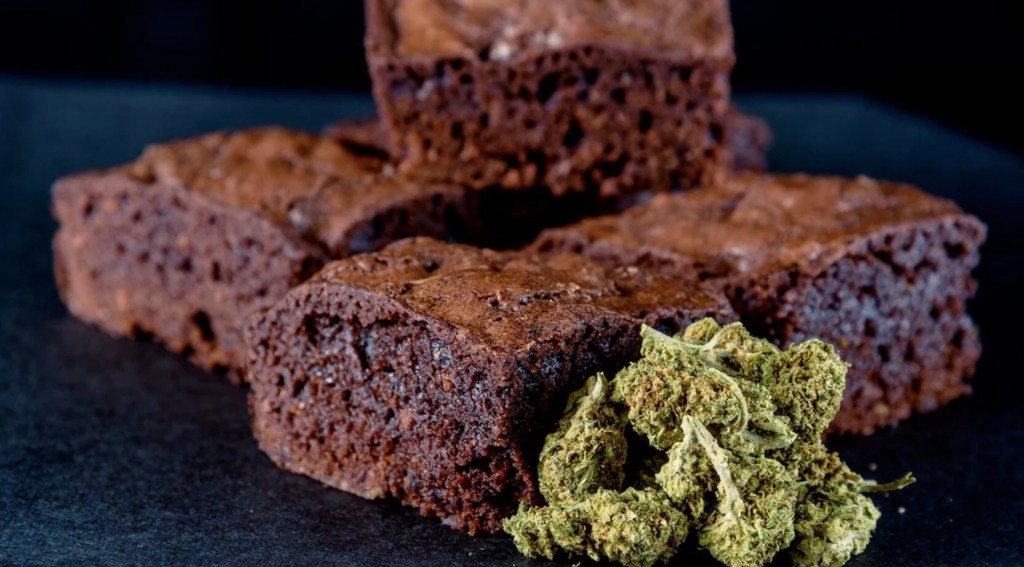
Hippie “Oregano” Brownies

1/2 cup butter
2 ounces unsweetened chocolate
1 cup sugar
2 eggs, well beaten
1/2 teaspoon vanilla
3/4 cup flour
1/4 teaspoon salt
1/8 ounce “oregano,” chopped

  • Preheat oven to 350°F.
  • Melt butter and chocolate together in a large saucepan over low heat.
  • Remove the saucepan from the heat and stir in remaining ingredients.
  • Pour mixture into a greased 8-inch square pan.
  • Bake for 25 to 30 minutes.
  • Let cool.
  • Cut into squares.
  • Serve and enjoy.

Charles Manson’s statement to the California court 1970

Excerpts from Charles Manson’s statement to the California court that convicted him of seven counts of murder conspiracy in the first degree and sentenced him to death in 1970:

“These children that came at you with knives, they are your children. You taught them. I didn’t teach them. I just tried to help them stand up. Most of the people at the ranch that you call the Family were just people that you did not want, people that were alongside the road, that their parents had kicked out or they did not want to go to Juvenile Hall, so I did the best I could and I took them up on my garbage dump and I told them this: that in love there is no wrong.

“… It is not my responsibility. It is your responsibility. It is the responsibility you have toward your own children who you are neglecting, and then you want to put the blame on me again and again and again.… You eat meat with your teeth and you kill things that are better than you are, and in the same respect you say how bad and even killers that your children are. You make your children what they are. I am just a reflection of every one of you.”

“… I have nothing against none of you. I can’t judge any of you. But I think it is high time that you all started looking at yourselves and judging the lie that you live in. I sit and I watch you from nowhere, and I have nothing in my mind, no malice against you and no ribbons for you.… You are just doing what you are doing for the money, for a little bit of attention from someone. I can’t dislike you, but I will say this to you. You haven’t got long before you are all going to kill yourselves because you are crazy. And you can’t project it back at me.…”

“You can say that it’s me that cannot communicate, and you can say that it’s me that don’t have any understanding, and you can say that when I am dead your world will be better, and you can lock me up in your penitentiary and you can forget about me. But I’m only what lives inside of you, each and every one of you. These children … you only give them your frustration. You only give them your anger. You only give them the bad part of you rather than give them the good part of you. You should all turn around and face your children and start following them and listening to them.

“… If I could get angry at you I would try to kill every one of you. If that’s guilt, I accept it. These children, everything they have done, they done for love of their brother.…

“I may have implied on several occasions to several different people that I may have been Jesus Christ, but I haven’t decided yet what I am or who I am. I am whoever you make me, but what you want is a fiend. You want a sadistic fiend because that is what you are.

“… My father is the jail house. My father is your system.… I have ate out of your garbage cans to stay out of jail. I have wore your second-hand clothes. I have given everything I have away. Everything! I have accepted things and given them away the next second. I have done my best to get along in your world and now you want to kill me, and I look at you and I look how incompetent you all are, and then I say to myself, You want to kill me? Ha, I’m already dead! Have been all my life!’ I’ve lived in your tomb that you built.”

“I did seven years for a thirty-seven-dollar check. I did twelve years because I didn’t have any parents, and how many other sons do you think you have in there? You have many sons in there, many, many sons in there, most of them are black and they are angry.…

“Sometimes I think about giving it to you. Sometimes I’m thinking about just jumping on you and let you shoot me. Sometimes I think it would be easier than sitting here and facing you in the contempt that you have for yourself, the hate that you have for yourself. It’s only the anger you reflect at me, the anger that you have got for you.… If I could I would jerk this microphone out and beat your brains out with it because that is what you deserve! That is what you deserve.

“… I live in my world, and I am my own king in my world, whether it be a garbage dump or in the desert or wherever it be. I am my own human being. You may restrain my body and you may tear my guts out, do anything you wish, but I am still me and you can’t take that. You can kill the ego. You can kill the pride. You can kill the want, the desire of a human being. You can lock him in a cell and you can knock his teeth out and smash his brain, but you cannot kill the soul.”

“… I don’t care what you believe. I know what I am. You care what I think of you? Do you care what my opinion is? No, I hardly think so. I don’t think that any of you care about anything other than yourselves.…

“You made me a monster and I have to live with that the rest of my life because I cannot fight this case. If I could fight this case and I could present this case, I would take that monster back and I would take that fear back. Then you could find something else to put your fear on, because it’s all your fear. You look for something to project it on and you pick a little old scroungy nobody who eats out of a garbage can, that nobody wants, that was kicked out of the penitentiary, that has been dragged though every hellhole you can think of, and you drag him up and put him into a courtroom. You expect to break me? Impossible! You broke me years ago. You killed me years ago!”

Lagertha: Viking Shieldmaiden

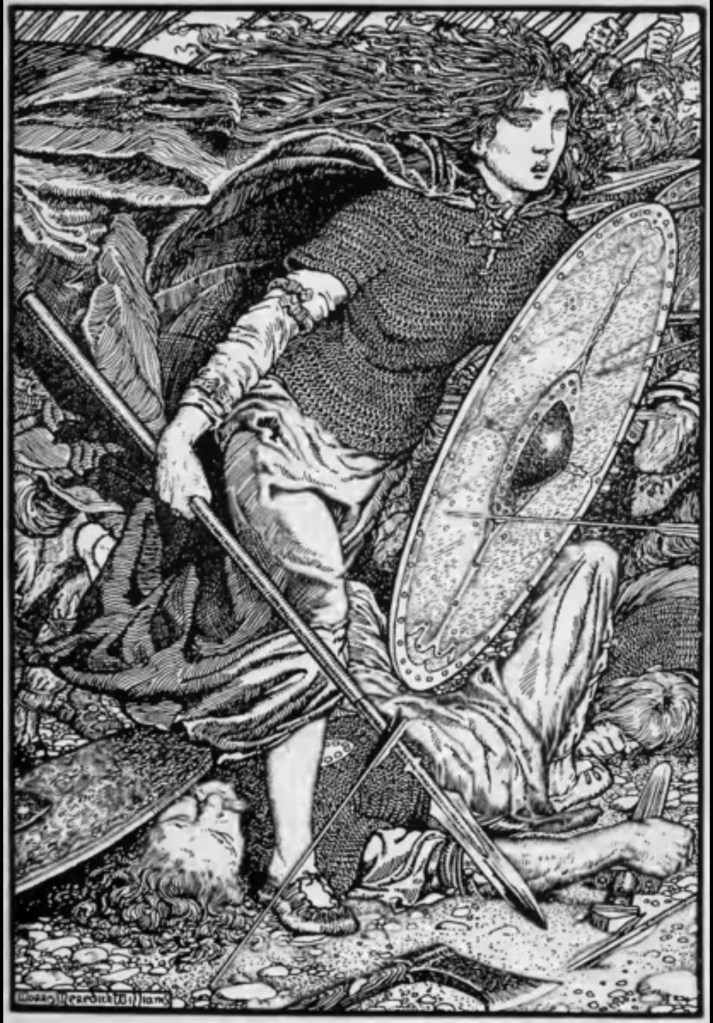
Lagertha (also spelt Lathgertha or Ladgerda) is a legendary Viking shieldmaiden known from Saxo Grammaticus’ early 13th-century CE Gesta Danorum. In this work, written in Latin and concerning Danish history, she is the first wife of Ragnar Lothbrok, a legendary Viking king said to have lived during the 9th century CE. Contrasting with the prominent role Lagertha plays in the ongoing Vikings TV series, where she is portrayed by Katheryn Winnick, the Gesta Danorum is the only historical source that even mentions her and ties her in with the more broadly-known Ragnar mythos, making her more of a footnote within his legend rather than a core element. She makes for a bold footnote, though, and an interesting character in her own right; brave and skilled, she is twice responsible for ensuring victory for Ragnar in battle. Although classical concepts of Amazons underlie Saxo’s warrior women, his stories are rooted in the Old Norse traditions known from medieval Icelandic literature. Specifically, Lagertha herself may have been inspired by the Norse goddess Thorgerd, local to Hálogaland, Norway.

Saxo Grammaticus sets the stage for Ragnar and Lagertha’s meeting by describing how the Swedish King Frø has slain Siward, King of the Norwegians, who was Ragnar’s grandfather, and has publically humiliated Siward’s female family members by putting them in a brothel. Ragnar, having just succeeded his father Siward Ring (Sigurd Hring or Ring in other Ragnar stories) to the throne of Jutland in Denmark, hears of this and is obviously not pleased. Coming to Norway with vengeance on his mind, Ragnar is met at his camp by some of the women who had been scorned, dressed up in male attire and ready to join him to hunt down the Swedish king. In the ensuing successful battle, it is one maiden in particular who stands out to Ragnar; he even goes so far as to attribute the victory to her might alone.

Lagertha’s origins aside, it is clear that in Saxo’s work she fulfils a role not immediately expected of historical women of that time but instead of a more legendary proportion: that of the warrior woman. Despite present-day popular imagination running wild with the image of the ‘strong Viking woman’, when critically evaluated the archaeological and historical material is not at all sufficient to support their existence. The Old Norse sagas, however, are a different beast altogether and show strong women taking action, stoking up revenge, standing up to their husbands or even engaging in fights. The popular TV series Vikings, although creatively expanding Lagertha’s role massively from that which it is in the Gesta, does take her reputation as shieldmaiden on board and shows her as a strong fighter who can hold her own, even participating in the raid on Paris (in the show, inspired by the historical siege of Paris of 845 CE).

Within the other legends revolving around Ragnar Lothbrok, Lagertha does not stand alone as a shieldmaiden. Aslaug (Kráka) is another wife of Ragnar, and she eventually leads her sons into battle against the Swedes.

Source: worldhistory.org

The Missouri Compromise

By 1819, the population of Missouri had grown to the point where it was ready for statehood. Ten thousand slaves already lived in Missouri. As such, It was assumed Missouri would become a slave state. On February 13th James Tallmadge, a Congressman from Poughkeepsie, New York, introduced a resolution in Congress making two modifications to the Missouri Enabling Act (The Enabling Act would give Missouri statehood). This act would ban any further importation of slaves into Missouri. It would also set in motion the gradual emancipation of the slaves currently residing in Missouri. Raising these modifications, a one term Congressman began a battle over slavery that was only ended by the Civil War. Obviously the Tallmadge amendment was not acceptable to the Southern states. The Congress was deadlocked until a compromise could be found. That compromise became known as “The Missouri Compromise”. Under the terms of the compromise, Missouri was to be admitted as a slave state, while Maine was admitted as a free state. The rest of the territory acquired from France (north of the latitude 36’30’) would be free states, while south of that point would be slave states.

The Missouri Compromise (1819) set a number of precedents. First, states would enter the Union in pairs– a slave state and a free state. This compromise helped the Southern states, as they were often admitted to the Union sooner than they would normally have been admitted (in order to keep the balance). Second, the Missouri Compromise delayed the sectional breakup of the Jefferson’s Republican party. The battle over Missouri signified a solidification of the Southern opposition to the eventual emancipation of the slaves. Until the fight over Missouri’s admission to the Union, there was some hope the South would follow the path indicated by many of the founders; a path leading to the eventual voluntary emancipation of all slaves. By the time the Missouri Compromise was reached, it was clear this was not meant to be.

Famous Trolls of Mythology

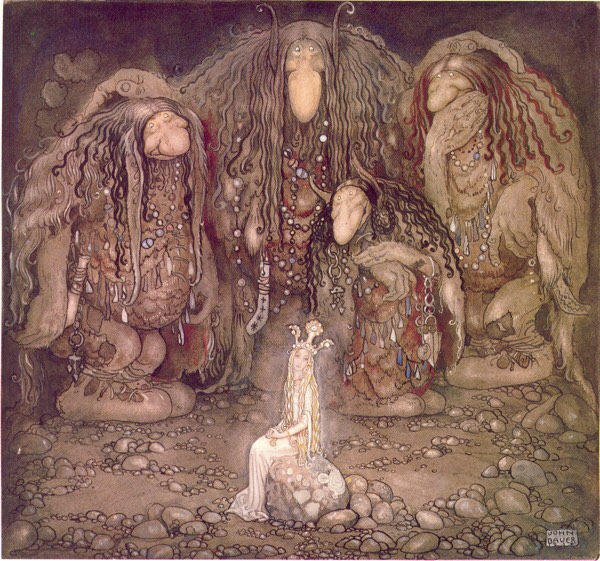
Legend has it that a Christian can kill a troll if they say its name aloud, so as you can imagine troll names are some of the best-kept secrets in the world. Despite that, the names of some trolls from literature and Norse Mythology are known:

Grendel – the troll from Beowulf and one of the three main antagonists of the epic poem

Dunker – a troll mentioned in an old folktale from Fosen

Ymer – a jötunn and the largest creature from Norse Mythology

Dovregubben – the troll king in Henrik Ibsen’s Peer Gynt

Hrungnir – a jötunn and the largest of its kind in Old Norse texts

Trym – king of the jötnar, reigned in Jötunheimr

Geirröd – another jötunn from Norse mythology, father to Gjálp and Greip

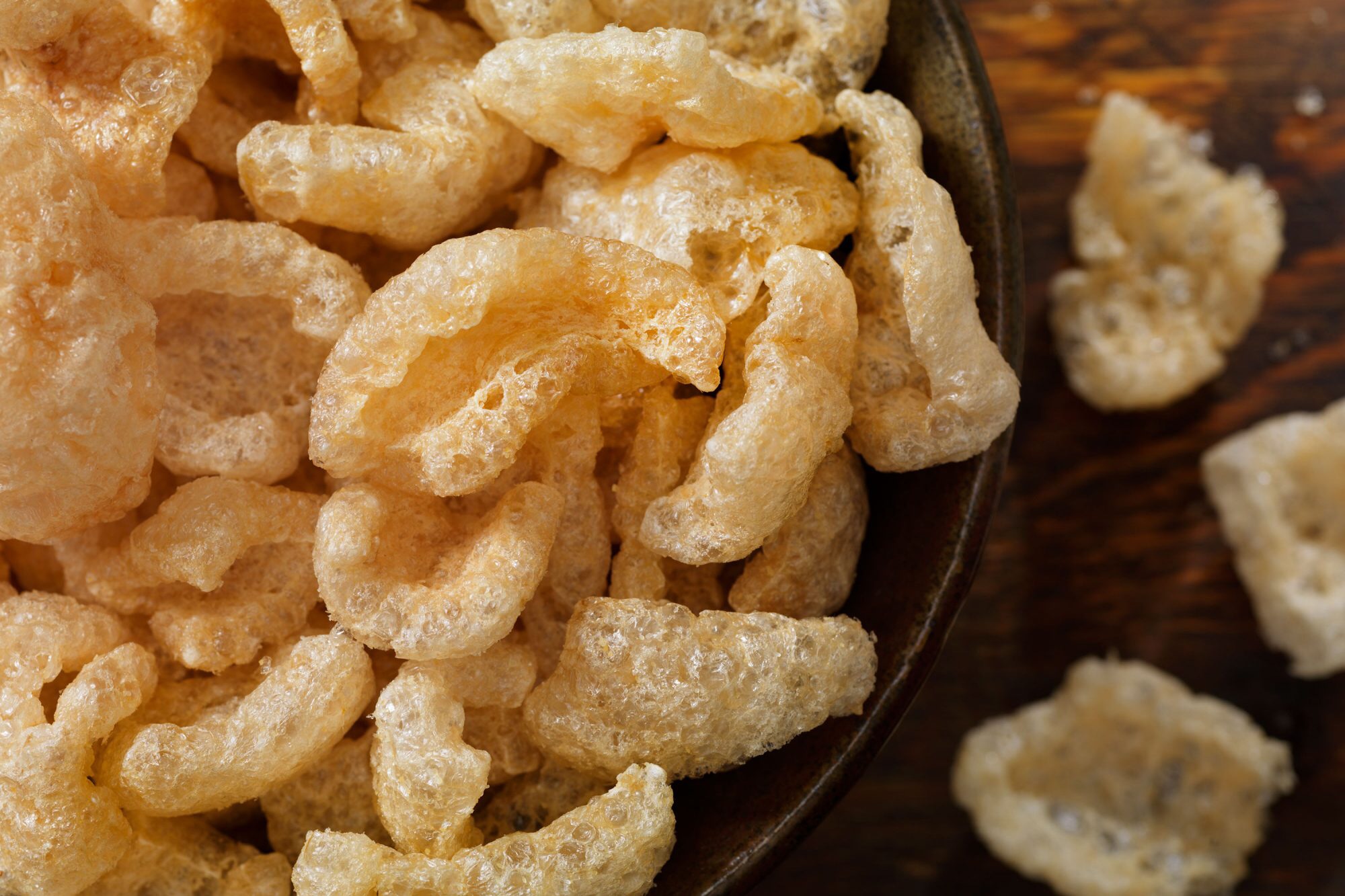
What are Pork Rinds? Cracklin?

Pork rinds are pork skin that have been dehydrated and deep-fried (or baked) until puffy and crisp. They have a deeply savory, pork flavor and eat like a bacon-flavored chip. Several cuisines feature pork rinds, though they go by different names and vary slightly.

In Central and South America, pork rinds are called chicharrons, and often have some meat attached to the skin as well, often pork belly. They’re eaten as a snack and can be served with dips, salsas and tortillas. In the Philippines, the food goes by the name of chicharron, and can be made by frying pork skins or pork belly strips to be consumed as a snack or main meal, respectively. In Thailand, deep-fried pork rinds are called kaeb moo; they can be made with just pork skin or pork skin with a bit of fat attached.

In the American South, pork rinds are called cracklings, or cracklins, and have a bit of fat and meat attached. Because they have some fat attached, it prevents the pork skin from curling when it puffs. You can find cracklings at gas stations and grocery stores in a variety of flavors, at barbecue joints or in contemporary American restaurants where they might accompany pimento cheese or smoked fish dip. In the U.K., pork rinds are called pork scratchings, where they are a popular snack served at pubs alongside pints of beer. Pork rinds have found their way onto restaurant menus here too, where they add savory crunch and bacon-esque flavor to dishes ranging from roasted vegetables to desserts.

Source: Food Network

Gu: Vodun of Iron and War

They say Gu was born with a human body and a blade as a head. This perfectly portrays his role as the god of iron and war. The two things are related; iron ore is used to make weapons for war, among other things.

A title like the Vodun of War denotes a spirit who is angry or out for destruction or chaos, but that’s false. A god of war is not necessarily there to sow conflict and division. Still, they are there to bestow victory, wisdom, and protection in battle when facing your enemies. Immediately we run into trouble. Why does he favor one side over another? These reasons are privy to him but always in the interest of ultimate fairness.

The Fon worshiped Gu to bring them success in war and protect them in conflicts, protect their wealth and community. At the end of the day, that is what a god of war is supposed to do—a more accurate title would-be protector of communities and nations.

There is also a building role. Iron is a symbol for minerals that can be mined and used to service those pursuits that strengthen and protect a nation. It stands for resources that can be used as weapons and defense. You can substitute nations with family, community, town, tradition, culture, city, or whatever you think is worthy of protection or strengthening. The Vodun of War resides over these matters. It dispenses favor, resources, wisdom, and advantage according to its divine wisdom and foresight.

Source: Vodun. Monique Joiner Siedlak