Israeli Style Hummus

** Tehina is the Israeli word for the Greek word tahini.  **

1 cup dried chickpeas
1 teaspoons baking soda
1½ cups Tehina Sauce
1 teaspoon kosher salt
¼ teaspoon ground cumin
Paprika
Chopped fresh parsley
Olive oil, for drizzling

Tehina Sauce:

¾ cup lemon juice
1½ teaspoons kosher salt
2 generous cups tehina
½ teaspoon ground cumin

Add the tehina to the lemon juice in the bowl, along with the cumin and 1 teaspoon of the salt.  Whisk the mixture together until smooth adding water slowly to thin it out. Whish until you have a perfectly smooth, creamy, thick sauce.  Add more cumin and salt to taste.

Hummus Directions:

Place the chickpeas in a large bowl and cover with water. Soak the chickpeas overnight at room temperature. Drain the chickpeas and rinse.

Place the chickpeas in a large pot with 1 teaspoon of baking soda and add cold water to cover by at least a few inches. Bring the chickpeas to a boil over high heat, skimming off any impurities  that rises to the surface. Lower the heat to medium, cover the pot, and simmer for about 1 hour, until they are a bit overcooked and a little mushy.  Drain.

Combine the chickpeas, tehina sauce, salt, and cumin in a food processor. Puree the hummus for several minutes, until it is smooth and  creamy.

Serve with a drizzle of good olive oil, cumin and fresh parsley to taste.

Schmaltz: Ashkenazic Rendered Chicken Fat

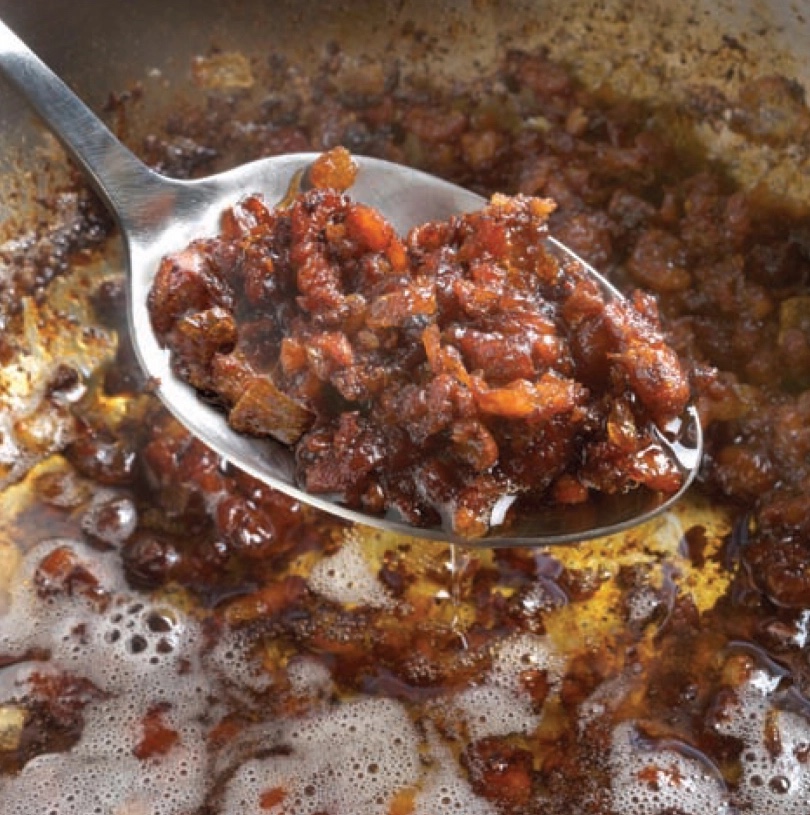
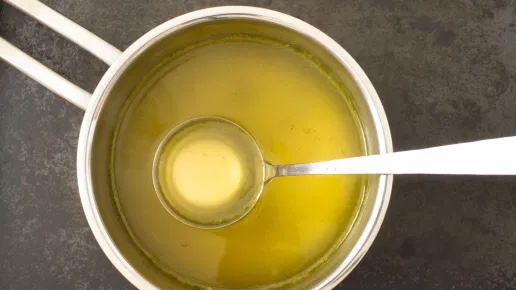
Schmaltz or schmalts in Yiddish (from the Middle High German smalz, “animal fat”) is the generic Yiddish term for animal fat, but more specifically and colloquially, it denotes melted and purified poultry fat. Schmaltz became to Ashkenazic cooking what olive oil was to Mediterranean food, indispensable for frying and cooking, and as a flavoring agent.”

Gil Marks, “The Encyclopedia Of Jewish Food

  • Skin and fat from 8 chicken thighs (or 2 cups reserved chicken skin and fat) *
  • ¼ cup water
  • 1 onion, cut into medium dice

Chop chicken fat and skin and add to a small amount of water to begin the rendering at a gentle temperature.  Once the water and the moisture in the fat and skin have cooked off, the fat can rise above 212 degrees and the browning can begin.  When the skin is lightly browned and plenty of fat has been rendered, add the chopped onion.

Be careful not to overcook. It should remain clear and yellow, not brown with an overly roasted flavor.  The browned skin and onion, called gribenes are delicious.  Strain the fat and reserve the gribenes. The schmaltz is ready to use, to refrigerate for up to a week, or to freeze. The gribenes should also be refrigerated or frozen

* Where do I get the chicken fat?

Make roast chicken once a week. Before you roast it, pull off all the fat you see and trim all the skin you won’t need. Store the fat and skin in the freezer, until you have plenty to render for schmaltz

Classical Challah Egg Bread

B305E660-24AA-46F0-BAB3-F8A67B1F0A3C

Challah is a special bread in Jewish cuisine, usually braided and typically eaten on ceremonial occasions such as Sabbath and major Jewish holidays (other than Passover). Ritually-acceptable challah is made of dough from which a small portion has been set aside as an offering. The word challah likely comes from the Hebrew root halal. The etymology of this root is uncertain. It may originally have indicated roundness (“circle”) and then also came to denote hollowness (“space”), or vice versa.

Most traditional Ashkenazi challah recipes use numerous eggs, fine white flour, water, sugar, yeast, and salt, but “water challah” made without eggs and having a texture not unlike French baguettes also exists. Modern recipes may replace white flour with whole wheat, oat, or spelt flour or sugar with honey or molasses.  Among Sephardic Jews, water challah is preferred for ritual purposes, because Sephardic minhag does not require the dough offering to be separated if the dough contains eggs or sugar. While breads very similar to Ashkenazi egg challah are found in Sephardic cuisine, they are typically not referred to as challah but considered variants of regional breads like çörek, eaten by Jews and non-Jews alike.  Egg challah sometimes also contains raisins and/or saffron. After the first rising, the dough is rolled into rope-shaped pieces which are braided, though local and seasonal varieties also exist. Poppy or sesame (Ashkenazi) and anise or sesame (Sephardic) seeds may be added to the dough or sprinkled on top. Both egg and water challah are usually brushed with an egg wash before baking to add a golden sheen.  Challah is usually parve (containing neither dairy nor meat—important in the laws of Kashrut), unlike brioche and other enriched European breads, which contain butter or milk.  Israeli challah contains eggs or olive oil in the dough as well as water, sugar, yeast, salt, honey and raisins. It is topped with sesame.

Ingredients

Poppy or sesame seeds (optional)

9 1/4 cups (1 1/3 kg) flour

4 eggs, beaten, plus 2 yolks or 1 whole egg for glazing

1 Tablespoon salt

1/2 cup (100g) sugar

2 1/4 cups (500 ml) lukewarm water

2 Tablespoons dry yeast

1/2 cup (125 ml) vegetable oil

Directions

Dissolve the yeast in the water with 1 teaspoon of the sugar. Beat well and leave 10 minutes, until it froths.

In a very large bowl, lightly beat the eggs. Then add the salt, sugar, and oil and beat again. Add the frothy yeast mixture and beat well. Now add the flour gradually, and just enough to make a soft dough that holds together, mixing well, first with a large spoon, then working it in with your hands. Knead vigorously for about 15 minutes, until it is very smooth and elastic, adding flour if the dough is too sticky. Pour a little oil in the bowl and turn the dough, so that it is greased all over. Cover the bowl with plastic wrap and put it in a warm place to rise for 2‑3 hours, or until it has doubled in bulk. Punch the dough down and knead again, then divide into four pieces to make 4 loaves.

To make round challah: Take 1 piece of dough, roll it between your palms, and pull it out into a long fat rope about 18 inches (46 cm) long and 2 inches (5 cm) thick – a little fatter at one end. Take the fatter end and put it in the middle of an oiled baking sheet, then coil the rest of the rope around it like a snail. Continue with the remaining 3 pieces.

To make braided challah with 3 strands: Divide 1 piece of the dough into 3. Roll each piece between your palms and pull into long thin ropes about 18 inches (46 cm) long and 1 1/4 inches (3 cm) wide. Pinch 1 end of all the strands together and plait them: bring the rope on the right over the middle one, then bring the one on the left over it and continue to the end. Pinch the ends together and tuck them under the loaf. You may find it, easier to begin plaiting in the middle of the 3 strands and plait towards the 2 ends. Continue with the remaining 3 pieces.

Place the 4 loaves on well‑oiled baking sheets, leaving plenty of room for them to expand, then leave to rise for 1 hour, or until doubled in bulk. Now brush gently with the beaten egg yolks or if you want to sprinkle with poppy or sesame seeds, brush first with the whole beaten egg (the seeds stick better if the white is there too). Bake in a preheated 350F (180C) oven for 30‑40 minutes or until the loaves are beautifully golden-brown. They are done if they sound hollow when you tap the bottoms.

Earth Rotation Day

It’s Earth Rotation Day, in honor of Foucault, who did this:

On January 8, 1851, Foucault performed an experiment in the cellar of his home, in which he swung a five-kilogram weight attached to a two-meter-long pendulum. He put sand underneath it to mark the pendulum’s path, allowing him to see any changes in it. He observed a slight clockwise movement in the plane—the floor, and thus the earth, were slowly rotating; the pendulum kept its position. His experiment showed that the earth rotated on its axis. No longer was it just a hypothesis.

Today in Science —> Galileo’s Death

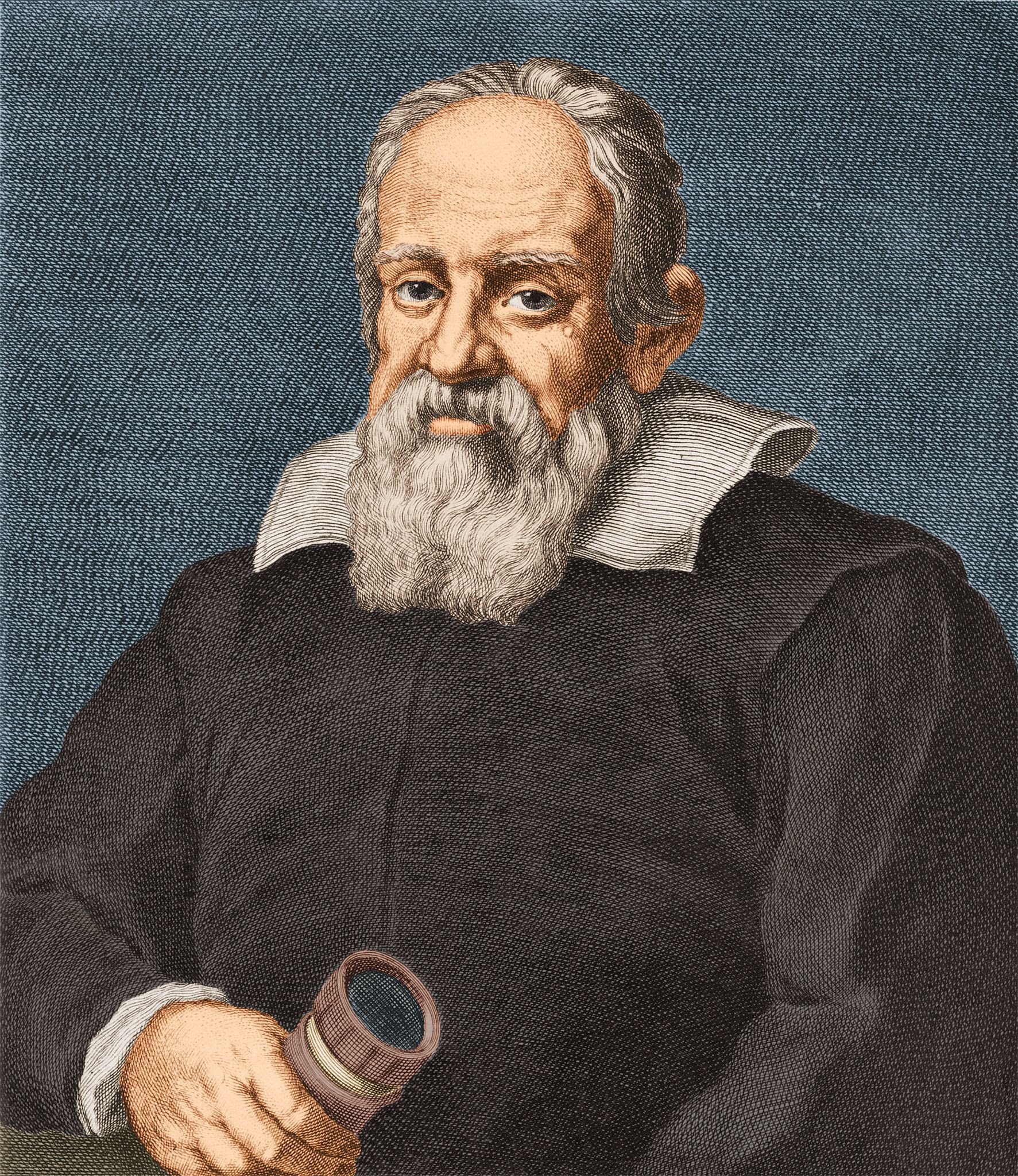
Today in Science –> In 1642 Italian astronomer Galileo Galilei dies in Italy at age 77. Born February 15, 1564, Galileo has been referred to as the “father of modern astronomy,” the “father of modern physics” and the “father of science” due to his revolutionary discoveries. The first person to use a telescope to observe the skies, Galileo discovered the moons of Jupiter, the rings of Saturn, sunspots and the solar rotation. After Galileo published his confirmation that the Earth orbits the Sun, in favor of the Copernican system, he was charged with heresies (ideas that ran counter to teaching of the church) by the Inquisition—the legal body of the Catholic church. He was found guilty in 1633 and sentenced to life imprisonment but due to his age and poor health he was allowed to serve out his sentence under house arrest.

Today in Science —> Stephen Hawking

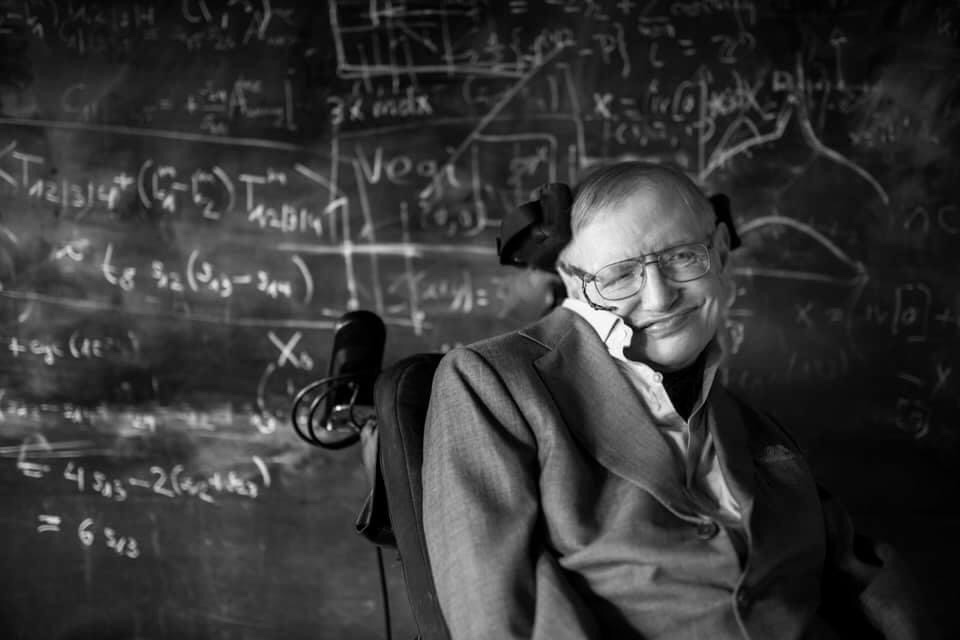
Notable born on this day in History —> On this date in 1942, cosmologist Stephen Hawking was born in Oxford, England, “300 years after the death of Galileo,” as he points out at his Web site. He attended Oxford, studying physics, then earned his Ph.D. in cosmology at Cambridge. Hawking is celebrated for his work on unifying General Relativity with Quantum Theory.

“There is a fundamental difference between religion, which is based on authority, [and] science, which is based on observation and reason. Science will win because it works.”

“All that my work has shown is that you don’t have to say that the way the universe began was the personal whim of God.”

~ Stephen Hawking

Today in Science —> Galilean Satellites

Today in Science—> On this date in 1610, Galileo observed three small “stars” in a line and very close to Jupiter. Over the next several days, he saw that the stars were changing position in relation to Jupiter and he concluded that they were orbiting the planet and also discovered a fourth such star as well. He originally called them the Medicean stars in honor of the de’ Medici family which ruled Tuscany, but they have since been renamed the Galilean satellites and are the four largest moons of Jupiter—Io, Europa, Ganymede, and Callisto. Galileo’s observations were the first that showed heavenly bodies orbiting each other and not Earth, leading to the overthrowing of the Aristotelian geocentric model of cosmology.

#Galileo #GalileanSatellites

Today in History —> Butterfly McQueen

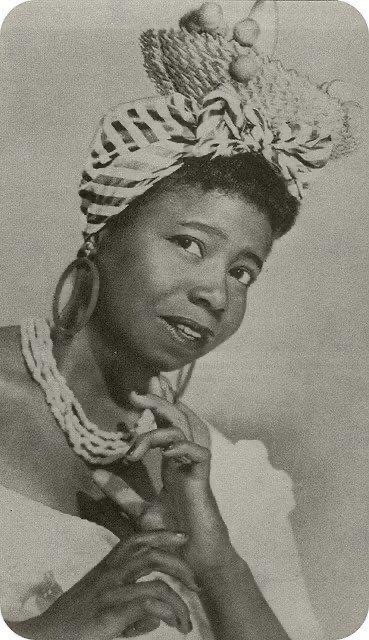
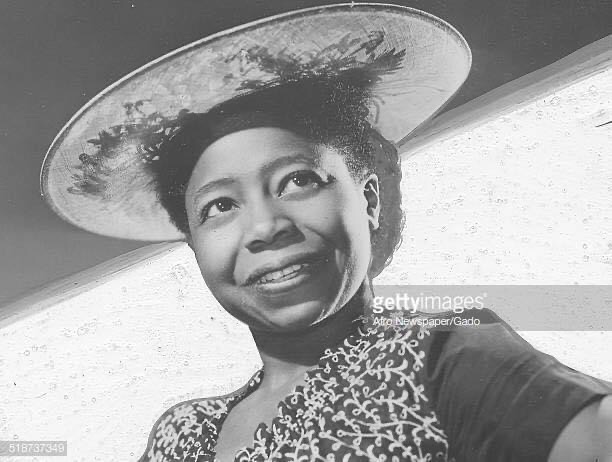
Notable born on this day in History —> Born today in 1911 Butterfly McQueen, American actress and dancer.

You may remember McQueen as the slave “Prissy” in the movie Gone with the Wind, famous for saying “I don’t know nothing about birthing babies.” She couldn’t even attend the film’s premiere in Atlanta in 1939 because the theater was segregated.

McQueen never married or had children.

In July 1983, a jury awarded McQueen $60,000 in a judgment stemming from a lawsuit she filed against two bus terminal security guards. McQueen sued for harassment after she claimed the security guards accused her of being a pickpocket and a vagrant while she was at a bus terminal in April 1979.

McQueen died at age 84 on December 22, 1995, at Doctors Hospital in Augusta, from burns sustained when a kerosene heater she attempted to light malfunctioned and burst into flames.McQueen donated her body to medical science and remembered the Freedom From Religion Foundation in her will.

“As my ancestors are free from slavery, I am free from the slavery of religion.”

“They say the streets are going to be beautiful in Heaven. Well, I’m trying to make the streets beautiful here … When it’s clean and beautiful, I think America is heaven. And some people are hell.”
~ Butterfly McQueen

Today in Science —> Alfred Wegener

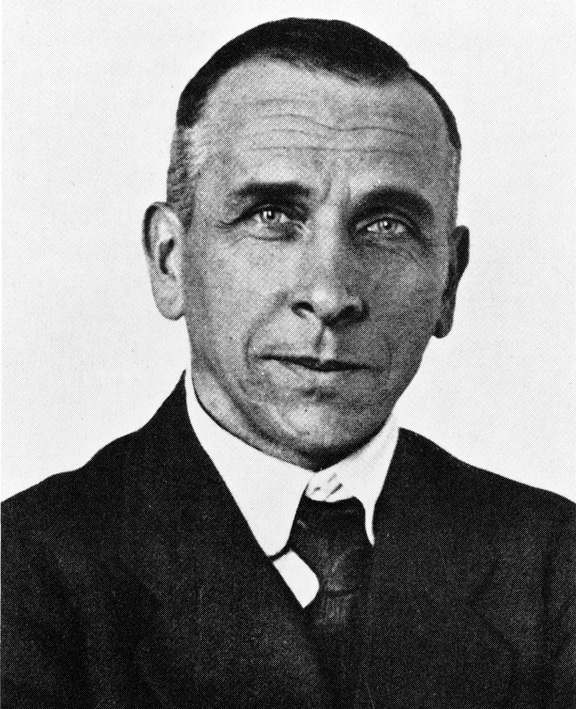
1912 – German geophysicist Alfred Wegener first presents his theory of continental drift.

Wegener’s theory was poo-pooed for a long time, but was finally accepted by 1960, 30 years after Wegener’s death. Now, using satellites, we can measure how fast the continents move. We know, for example, that Europe and North America are moving apart at about the same rate your fingernails grow: about an inch a year.