Chocolate Hazelnut Spread

2 cups hazelnuts

1 teaspoon vanilla extract

¼ cup raw cacao powder

pinch of Himalayan salt

½ cup rice malt syrup

1 tablespoon coconut oil

¾ cup non-dairy milk of your choice

Preheat the oven to 315ºF.

Spread the hazelnuts on a baking tray and bake for 5–10 minutes, or until browned. Remove from the oven and leave to cool slightly, then rub off the skins.

Place the hazelnuts in a high-speed food processor. Blend for 2–3 minutes, or until they turn into a butter. Add all the remaining ingredients and process until smooth.

Store in an airtight container in the fridge. It will keep for up to 2 weeks.

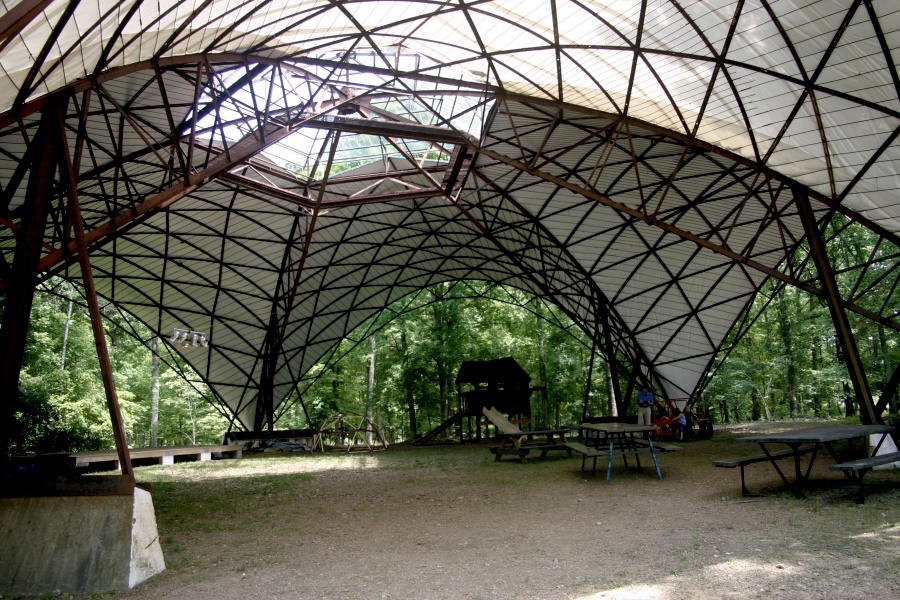
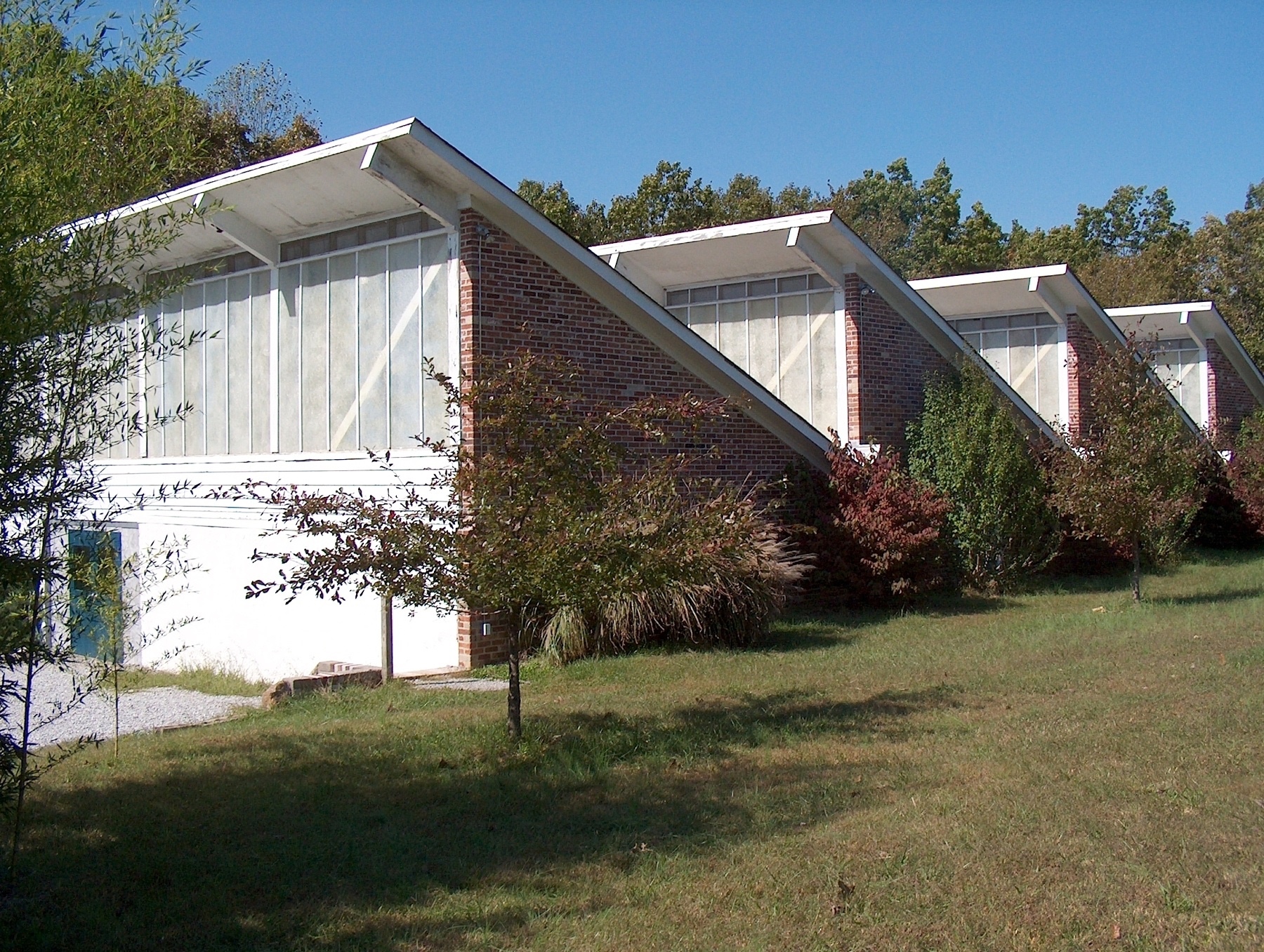
The Farm Community – Summertown, Tennessee

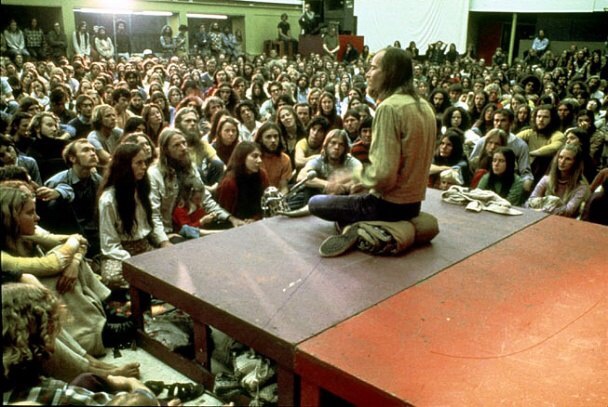
The Farm is the oldest and biggest intentional community, at its peak in the 80’s it had over 1500 members. It is an intentional community that fostered spiritual growth, world peace and ecological harmony. Today the Farm has about 175 residents. 

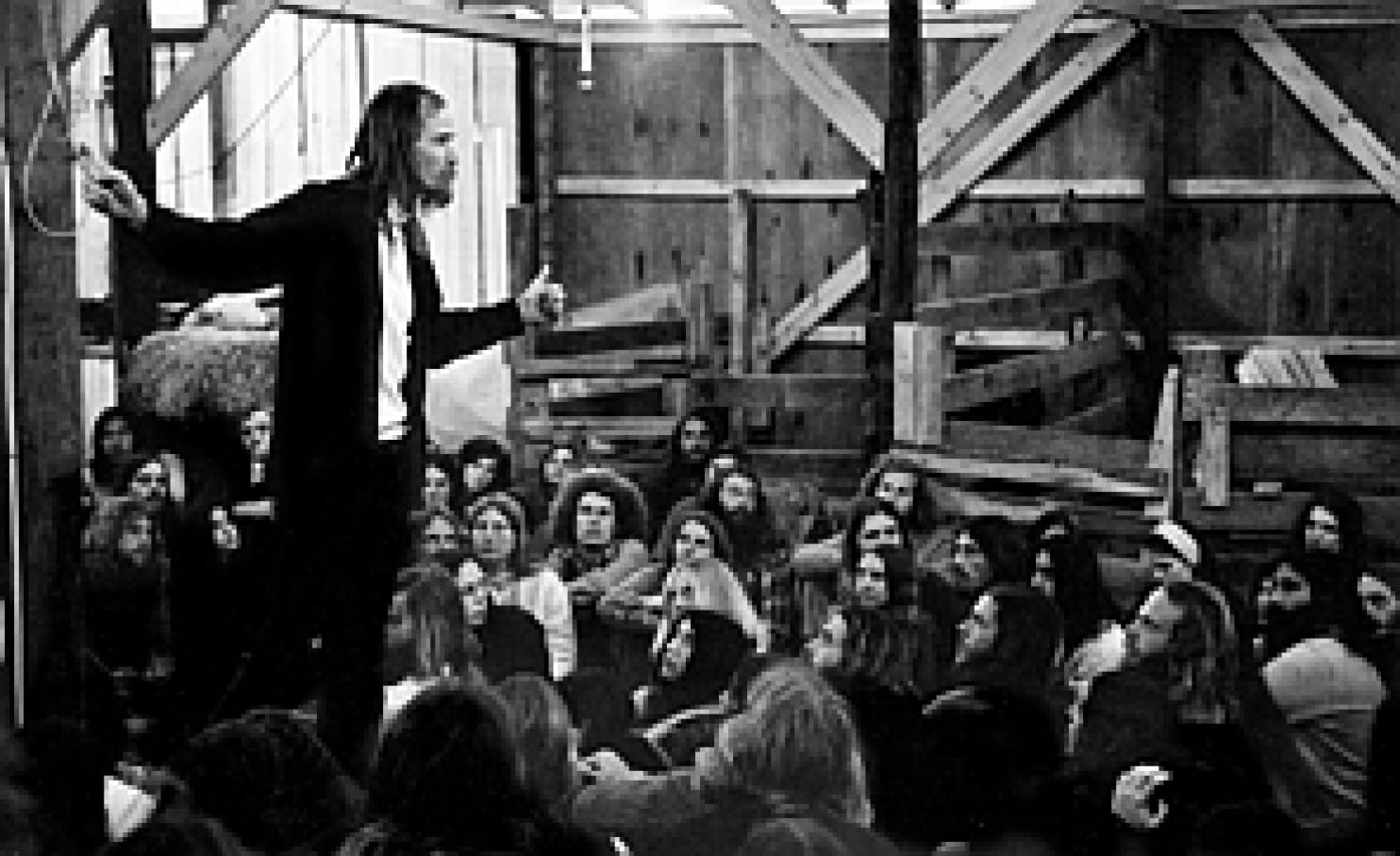
It was founded in 1971 by Stephen Gaskin and 320 hippies from San Francisco. Gaskin and friends led a caravan of 60 buses, vans, and trucks from San Francisco on a four month speaking tour across the US. Along the way, they became a community, lacking only in land to put down roots. After returning to California, the decision was made to buy land together. Combining all their resources would finance purchase of only about fifty acres in California. Another month on the road brought the group back to Tennessee, where they checked out various places that might be suitable to settle. They deciding on property in outside of Summertown south of Nashville. After buying 1,064 acres for $70 per acre, the group began building its community in the woods alongside the network of crude logging roads that followed its ridgelines. Shortly thereafter, an adjoining 750 acres were purchased for $100 per acre.

Gaskin and friends led a caravan of 60 buses, vans, and trucks from San Francisco on a four month speaking tour across the US. Along the way, they became a community, lacking only in land to put down roots. After returning to California, the decision was made to buy land together. Combining all their resources would finance purchase of only about fifty acres in California. Another month on the road brought the group back to Tennessee, where they checked out various places that might be suitable to settle. They deciding on property in outside of Summertown south of Nashville. After buying 1,064 acres for $70 per acre, the group began building its community in the woods alongside the network of crude logging roads that followed its ridgelines. Shortly thereafter, an adjoining 750 acres were purchased for $100 per acre.

In 1983, due to financial difficulties and also a challenge to Gaskin’s leadership and direction, the Farm changed its agreement and began requiring members to support themselves with their own income rather than to donate all income to the central bank.This decollectivization was called the ‘Changeover,’ or ‘the Exodus.’

In the nineties, with the community back on solid ground, The Farm returned to its original purpose of initiating social change through outreach and example. The Ecovillage Training Center was established as an educational facility in new technologies such as solar energy, bio fuels, and construction techniques based on locally available, eco-friendly materials.

Gaskin’s wife, Ina May Gaskin and the midwives of the Farm created The Farm Midwifery Center, one of the first out-of-hospital birth centers in the United States. Family members and friends are commonly in attendance and are encouraged to take an active role in the birth.

“Gaskin, a longtime critic of American maternity care, is perhaps the most prominent figure in the crusade to expand access to, and to legalize, midwife-assisted home birth. Although she practices without a medical license, she is invited to speak at major teaching hospitals and conferences around the world and has been awarded an honorary doctorate from Thames Valley University in England. She is the only midwife to have an obstetric procedure named for her. The Gaskin Maneuver is used for shoulder dystocia, when a baby’s head is born but her shoulders are stuck in the birth canal.”

~ New York Times

The Farm Community – Beliefs and Agreements

The Farm Community is comprised of many individuals, each with their own vision and ideas about spirituality as it applies to their daily life. It was founded on the principle that we respect all religions and practices. There are many basic agreements that were telepathically understood, however in an effort to avoid the creation of dogma and ritual, no formal document exists that defines the spiritual beliefs of The Farm.

Some years ago, several members of The Farm Membership Committee endeavored to create such a document, researching through previously published books and materials to identify statements that could still ring true for most members of the community. Although we make no claim that it represents every person completely, we present it here to give you some concept of our original beliefs and agreements.

As a church, we live in community and our reverence for life has always been central to our ways. Within The Farm Community, people could live together and pursue a spiritual path that includes, but were not limited to, the following common beliefs and agreements:

We believe that there are non-material planes of being or levels of consciousness that everyone can experience, the highest of these being the spiritual plane.

We believe that we are all one, that the material and spiritual are one,
and the spirit is identical and one in all of creation.

We believe that marriage, childbirth and death are sacraments of our church.

We agree that child rearing and care of the elderly is a holy responsibility.

We believe that being truthful and compassionate is instrumental to living together in peace and as a community.

We agree to be honest and compassionate in our relationships with each other.

We believe in nonviolence and pacifism and are conscientiously opposed to war.

We agree to resolve any conflicts or disagreements in a nonviolent manner.

We agree to keep no weapons in the community.

We believe that vegetarianism is the most ecologically sound and humane lifestyle for the planet, but that what a person eats does not dictate their spirituality.

We agree that livestock, fish, or fowl will not be raised in the community for slaughter.

We believe that the abuse of any substance is counterproductive to achieving a high consciousness.

We agree to strive for a high level of consciousness in our daily lives.

We believe that the earth is sacred.

We agree to be respectful of the forests, fields, streams and wildlife that are under our care.

We agree that the community is a wildlife sanctuary with no hunting for sport or food.

We believe that humanity must change to survive.

We agree to participate in that change by accepting feedback about ourselves.

We believe that we, individually and collectively, create our own life experience.

We agree to accept personal responsibility for our actions.

We believe that inner peace is the foundation for world peace.

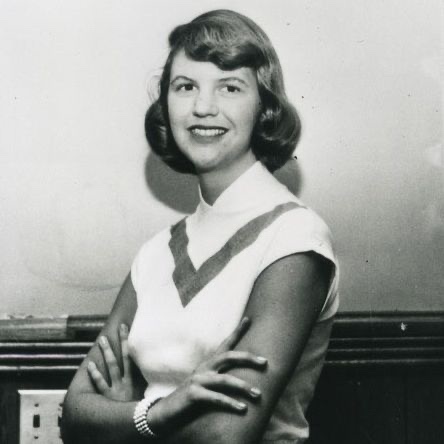
Tulips – Sylvia Plath

One of my favorite poems by those who died too young:

Sylvia Plath died in London, England, on this day in 1963 (Suicide, aged 30)

Tulips – Sylvia Plath (18 March 1961)

The tulips are too excitable, it is winter here.

“Look how white everything is, how quiet, how snowed-in.

I am learning peacefulness, lying by myself quietly

As the light lies on these white walls, this bed, these hands.

I am nobody; I have nothing to do with explosions.

I have given my name and my day-clothes up to the nurses

And my history to the anesthetist and my body to surgeons.


They have propped my head between the pillow and the sheet-cuff

Like an eye between two white lids that will not shut.

Stupid pupil, it has to take everything in.

The nurses pass and pass, they are no trouble,

They pass the way gulls pass inland in their white caps,

Doing things with their hands, one just the same as another,

So it is impossible to tell how many there are.


My body is a pebble to them, they tend it as water

Tends to the pebbles it must run over, smoothing them gently.

They bring me numbness in their bright needles, they bring me sleep.

Now I have lost myself I am sick of baggage———

My patent leather overnight case like a black pillbox,

“My husband and child smiling out of the family photo;

Their smiles catch onto my skin, little smiling hooks.


I have let things slip, a thirty-year-old cargo boat

Stubbornly hanging on to my name and address.

They have swabbed me clear of my loving associations.

Scared and bare on the green plastic-pillowed trolley

I watched my teaset, my bureaus of linen, my books

Sink out of sight, and the water went over my head.

I am a nun now, I have never been so pure.


I didn’t want any flowers, I only wanted

To lie with my hands turned up and be utterly empty.

How free it is, you have no idea how free———

The peacefulness is so big it dazes you,

And it asks nothing, a name tag, a few trinkets.

It is what the dead close on, finally; I imagine them

Shutting their mouths on it, like a Communion tablet.


The tulips are too red in the first place, they hurt me.

Even through the gift paper I could hear them breathe

Lightly, through their white swaddlings, like an awful baby.

Their redness talks to my wound, it corresponds.

They are subtle: they seem to float, though they weigh me down,

Upsetting me with their sudden tongues and their color,

A dozen red lead sinkers round my neck.


Nobody watched me before, now I am watched.

The tulips turn to me, and the window behind me

Where once a day the light slowly widens and slowly thins,

And I see myself, flat, ridiculous, a cut-paper shadow

Between the eye of the sun and the eyes of the tulips,

And I have no face, I have wanted to efface myself.

The vivid tulips eat my oxygen.


Before they came the air was calm enough,

Coming and going, breath by breath, without any fuss.

Then the tulips filled it up like a loud noise.

Now the air snags and eddies round them the way a river

Snags and eddies round a sunken rust-red engine.

They concentrate my attention, that was happy

Playing and resting without committing itself.


The walls, also, seem to be warming themselves.

The tulips should be behind bars like dangerous animals;

They are opening like the mouth of some great African cat,

And I am aware of my heart: it opens and closes

Its bowl of red blooms out of sheer love of me.

The water I taste is warm and salt, like the sea,

And comes from a country far away as health.

Rainbow Family of Living Light

The Rainbow Family of Living Light is a counter-culture, in existence since approximately 1970. It is a loose affiliation of individuals, some nomadic, generally asserting that it has no leader. They put on yearly, primitive camping events on public land known as Rainbow Gatherings. Inspired in large part by the first Woodstock Festival, two attendees, Barry “Plunker” Adams and Garrick Beck, are both considered among the founders of the Rainbow Family

The first official Rainbow Family Gathering was held at the Strawberry Lake, Colorado, on the Continental Divide, in 1972. Use of this site was offered by Paul Geisendorfer, a local developer, after a court order was issued against their gathering at the original location on nearby Table Mountains.

Regional Rainbow Gatherings are held throughout the year in the United States, as are annual and regional gatherings in dozens of other countries. These Gatherings are non-commercial, and all who wish to attend peacefully are welcome to participate. There are no leaders, and traditionally the Gatherings last for a week, with the primary focus being on gathering on public land on the Fourth of July in the U.S., when attendees pray, meditate, and/or observe silence in a group effort to focus on World Peace. Most gatherings elsewhere in the world last a month from new moon to new moon, with the full moon being the peak celebration. Rainbow Gatherings emphasize a spiritual focus towards peace, love, and unity.

Detox Juice

I’m not one of those that goes on juice detoxes — although this juice could almost persuade me otherwise!

1 medium-sized beet, scrubbed well

1–2 carrots

1 small apple, cored and chopped

1/2 cup chopped pineapple

juice of ½ lemon

14 mint leaves

½ inch knob of fresh ginger

Mix all the ingredients in a juicer or blender and serve.

If you use a blender for this recipe, rather than a juicer, you will get a much thicker juice, due to the fibrous pulp from the fruit and veg being retained. You can add a little water to the recipe to thin it, or run the juice through a fine mesh sieve.

Cheap High: Robotripping

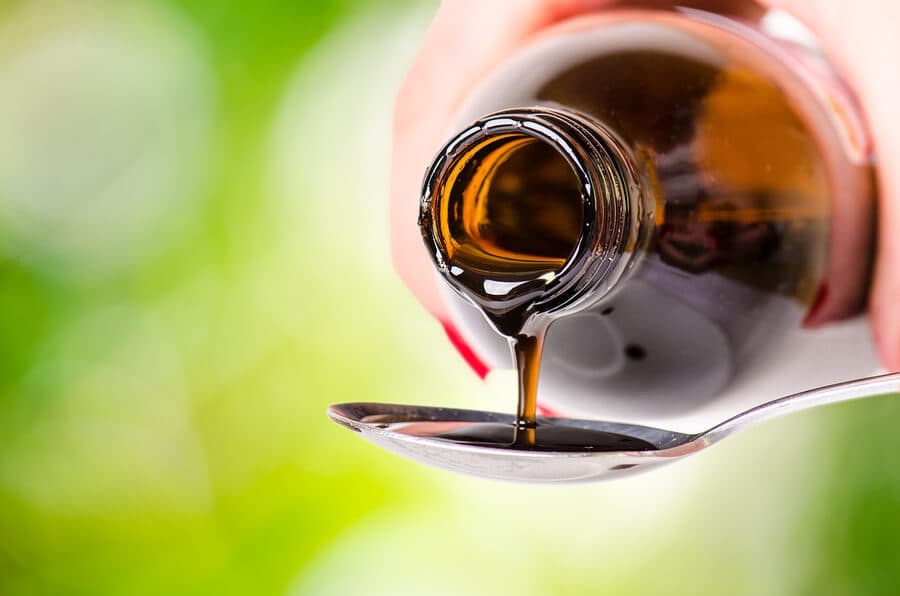
With all the pot and other dope going around, some people still insist on drinking cough syrup to get high. Robitussin DM can be purchased without a prescription, but you may have to sign for it in New York. It contains a small quantity of codeine, pheniramine, maleate, and glyceryl guaiacolate (a muscle relaxant). The effects are sedation and euphoria. The most common method of ingestion is straight or to mix Robitussin DM with an equal amount of ginger ale and drink. Never underestimate the potency of any drug. You can have an overdose of cough syrup.

There are four levels of “plateaus”, based on dose, reported by individuals who abuse dextromethorphan.

  • The first plateau is between 100 mg and 200 mg. At this level of abuse, the effect is a mild stimulation.
  • The next plateau occurs between 200 mg and 400 mg. Individuals taking the drug at this level will likely experience hallucinations and euphoria.
  • The third plateau occurs between 300 mg and 600 mg. Individuals at this plateau will likely experience issues with motor coordination and distorted visual perceptions.
  • The highest plateau is between 500 mg and 1500 mg. At this level, individuals can experience dissociative sedation.

Street names associated with robotripping, including dex, skittles, robo, triple C, and poor man’s PCP.

Drive Like A Hippie

SWEET HIPPIE RIDES

Volkswagen Microbus (1942–1971)

Volkswagen Beetle (1950–1965)

Volkswagen Squareback (1962–1973)

Volkswagen Fastback (1962–1973)

Volvo sedan (1950–1965)

Saab (1950–1965)

GMC/Chevy or Ford pickup (1951–1956)

Retired mail truck, school bus, hearse, ice cream truck, or repair van

INTERIOR DECORATIONS

Beads

Peace symbol pendants

Sage (to cover odor)

Crystal teardrops, strung on leather straps

Stained-glass pendants, strung on ribbons

Dreamcatchers

A lock of your old lady’s hair

PAINT YOUR VEHICLE! CONSIDER…

Breaching whales (not “beaching” whales. That would be a bummer.)

Grateful Dead skeletons and/or bears

Flowers

Psychedelic swirls

Airbrushed likeness of Jimi Hendrix, or yourself, or your old lady

IF YOUR “CAR” IS A BICYCLE

Spray it with paint (pink, green, or zebra stripes).

Add streamers to the handlebars.

Thread wildflowers between the spokes.

Find a small child to ride on your handlebars.

Attach a basket to the front (for carrying produce) and a milk crate to the back (for carrying litters of kittens).

Add a cheerful-sounding horn.

Glue tiny plastic farm animals all over the bumpers.

TYPICAL HIPPIE BUMPER STICKERS

Peace slogans*

“Music slogans

Marijuana slogans*

Tolkien quotations

*These may increase chances of getting pulled over.

Sources: Hippie Handbook

Gluten Free Banana Maple Bread

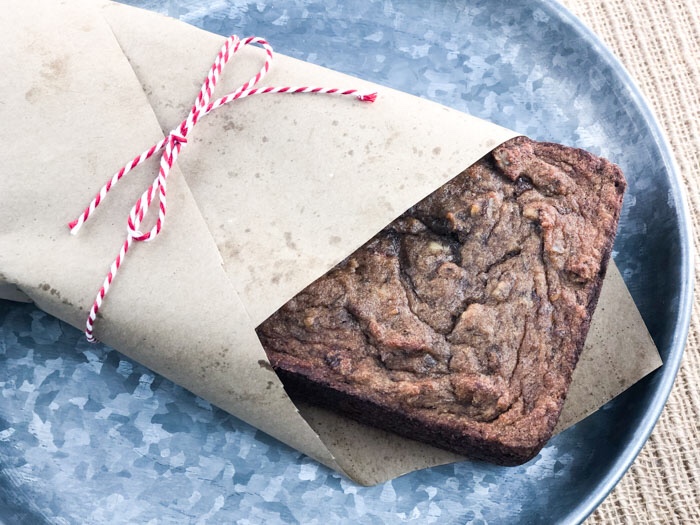
Everyone loves a piece of freshly baked banana bread, especially one that’s sugar, gluten and wheat free.. It is a perfect accompaniment to tea or coffee, or just on its own for a snack.

¼ cup plus 2 tablespoons linseed (flaxseed) meal

2 cups almond meal

½ cup desiccated coconut

½ cup millet flakes

1 teaspoon ground cinnamon

1 teaspoon vanilla powder

1/8 teaspoon Himalayan salt

2 teaspoons baking soda

3 ripe bananas

¼ cup melted coconut oil

½ cup maple syrup

Preheat the oven to 315ºF. Line a loaf tin, measuring about 9½ x 5 inches, and about 2½ inches deep, with parchment paper.

Put the linseed meal in a bowl, mix in ¾ cup water and place in the fridge for 5–10 minutes, or until the mixture gels together and takes on an egg-white consistency.

In a large bowl, combine the almond meal, coconut, millet flakes, cinnamon, vanilla, salt and baking soda.

In a small bowl, mash two of the bananas using a fork. Mix in the coconut oil and maple syrup.

Add the banana mixture to the bowl of dry ingredients and mix until combined, then pour the batter into the loaf tin.

Slice the remaining banana and arrange over the loaf. Bake for 35–45 minutes, or until a skewer inserted into the middle of the loaf comes out clean.

Remove from the oven and leave to cool before slicing.

The loaf will keep for 2–3 days, stored in an airtight container in the fridge or at room temperature.

How to Grow an Avocado Sprout from a Seed in a Jar

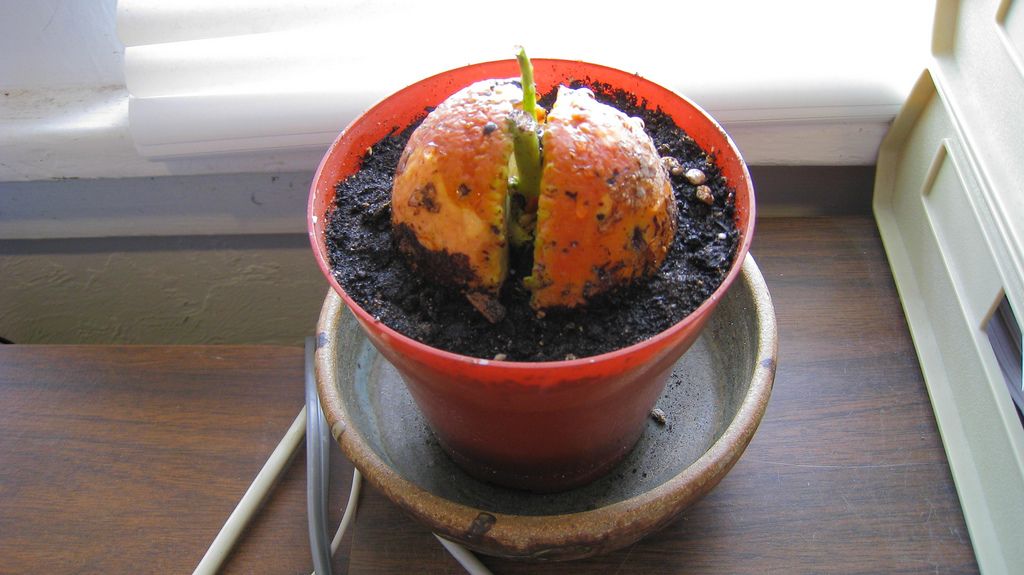
Why did hippies do this? No one knows. For a while there in the seventies, it was difficult to find a hippie windowsill that did not have an avocado seed sprouting in a jar. (Some hippies credit this phenomenon with ending the war in Vietnam.)

  • An avocado
  • 3 toothpicks
  • A jar

Peel and eat the avocado. Save the pit.

Let the seed dry for 48 hours.

Peel off the papery brown skin.

Insert 3 toothpicks equidistant from each other around the middle of the seed, pushing them in far enough to feel securely lodged.

Place the seed, pointed end up, in the jar so that the toothpicks rest on the edge of the jar’s mouth, suspending the seed.

Add warm water to the jar so that the bottom third of the seed is submerged.

Put the jar in a warm spot, away from direct sunlight.

Check the seed daily, adding warm water to the jar so that the bottom third of the seed is always in water.

When the seed begins to sprout roots, move the jar to a windowsill.

Soon you will see a stem push up through the pit. When the stem is 3 to 4 inches high, you can plant the seed in soil.

Sources: The Hippie Handbook

Creamy Quinoa Porridge

Quinoa is gluten free, high in protein and fibre, and is low GI, meaning it is slowly digested for longer-lasting energy. Lucuma gives the porridge a natural sweet kick, with cinnamon and nutmeg for a touch of spice

2 cups cooked quinoa

1½ cups rice milk

1 cup coconut cream

2 tablespoons maple syrup, plus extra to serve

1 teaspoon lucuma powder *

1 teaspoon ground cinnamon

½ teaspoon ground nutmeg

1/8 teaspoon Himalayan salt

2 tablespoons sunflower seeds

2 tablespoons chia seeds

1 tablespoon golden raisins

Bring the quinoa and rice milk to the boil in a separate saucepan. Add the remaining porridge ingredients, stirring well. Bring to a simmer and cook for 3–5 minutes, stirring occasionally.

When your porridge has reached a thick, creamy consistency, remove from the heat and ladle into four serving bowls.

Serve warm, with an extra drizzle of maple syrup.

* A natural sweetener prepared from the Peruvian lucuma fruit. Known as ‘Incan gold’, the pulp of the fruit is dehydrated to produce the powder, which is commonly added to smoothies, treats and breakfast foods.