Murder Point Oyster

Scientific Name: Crassostrea Virginica

Another bright addition to the Gulf oyster scene, Murder Point oysters have a clean shell with hints of purple and green.

An aroma with notes of sea grass and earth. The golden-cast meat is wonderful, and it is tucked neatly around the shell.

A sip of the crisp liquor reveals a salted butter note while the oyster meat reveals a creamy, buttery  savoriness. The finish accentuates it with touches of metallic flavor and cream.

Pair it with a brown ale.

Louisiana Oyster

Scientific Name: Crassostrea Virginica

The heaviness  of the shell is immediately noticeable. The light, sweet aroma wafts over a sparkling liquor. The meat floats inside the shell. The liquor reveals a balance of brine and sweetness, while the bite is full-bodied.

Layers of creamed spinach flavor capture the essence of the Gulf. The savory flavor remains for a nice stay before gently fading with hints of sweetness and the salts.

Oyster afficinados savor them raw and served on ice, but they can also be enjoyed chargrilled, fried, Rockerfellered, or part of a stew or gumbo.

Little Bitches Oyster

Scientific Name: Crassostrea Virginica

Little Bitches have the aroma of a fresh, wet ocean mist with a hint of florals. Plump meat fills the shell, surrounded by plenty of liquor.

The flavor starts off  mild, while the body is lean with a nice bite. Flavorful hints of a soft linger of kale and seagrass, accompany the finish.

Take note of the flowing shells, which carry a weather-beaten and tidal-grooved look characteristic of the Chesapeake bay where they’re farmed.

Pair it with a margarita and enjoy with a little tequila and lime.

Ace Blade Oyster

Scientific Name: Crassostrea Virginica

The scent reminds one of a salty morning breeze. The slender shell is a deep and houses a lean, golden meat bathed in liquor. Take a sip of the zing of salts. The meat is light and makes for very smooth eating with hints of green pepper. A crisp, clean finish remains for the perfect amount of time.

The ACE Basin, in the South Carolina Lowcountry, spans approximately 350,000 acres and is one of the largest undeveloped estuaries on the Atlantic Coast.

Try with a simple mignonette.

Shellfish Profile: Oysters

Description: Oysters are saltwater bivalve mollusks. Because oysters filter so much seawater, they are high in minerals. The risk in eating wild oysters is diminishing thanks to strict guidelines and monitoring of oyster beds. Wild oysters are at their best in the winter, with the main season lasting from late September to May. Oysters spawn in summer months; though edible, they tend to be flabby and insipid, the reason they are traditionally only eaten in months with names containing an R. Farm-raised oysters can be eaten year-round.

Shellfish Characteristics: American oysters have a moderately deep, elongated, rough-textured shell that is grayish white to grayish brown. The tender meat is salty with a meaty texture.

How to choose: Choose oysters without broken shells that are tightly closed. Tap on the shell. If it closes, the animal is alive. A dead oyster will have an unpleasant sulfur smell. Shucked oysters should be smooth and plump and covered in clear, grayish liquid with a briny scent.

Common flavor combinations: Bay leaf, black pepper, butter, cream, Dijon mustard, fennel, hot red pepper, lemon, Pernod, sesame, shallot, soy sauce, spinach, thyme, white wine.

Fish Profile: Flounder

Description: Flounder are the most important flatfish family. Their Latin name, Pleuronectidae, means “sideswimmer” because they start out as round fish, but as they mature and become bottom-dwellers, one eye migrates to the same side of the head as the other eye and the fish actually swim on their sides.

Fish Characteristics: Market size is 1 to 5 pounds, according to species. Flounder are known for their fine, tender, yet firm texture and have delicate, sweet flavor.

How to Choose: Some processors used tripolyphosphates to increase moisture levels and extend the shelf life of frozen, defrosted flounder fillets. This also adds water weight to the fish. If the fillets are abnormally wet or overly inexpensive they may have been treated.

Common Flavor Combinations: Bell pepper, butter, chervil, chives, cream, dill, fennel, gruyère cheese, lemon, mint, mushroom, parmesan cheese, parsley, shallot, spinach, tarragon, tomato, white vermouth, white wine, zucchini.

Poultry Cut Profiles: Foie Gras

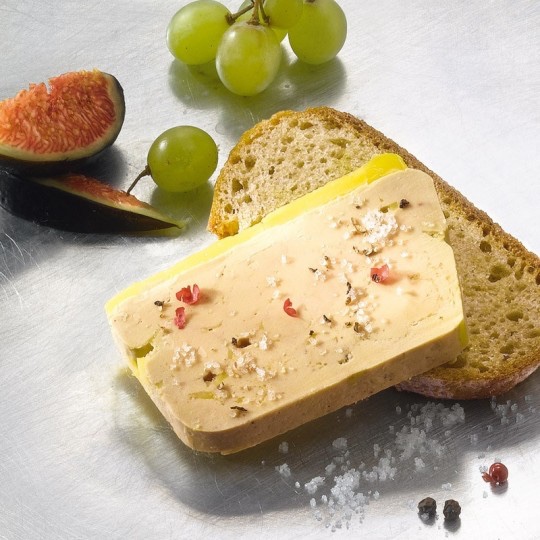
Description: Foie gras is the fattened liver of either duck or goose produced by a special feeding process. Foie gras is a luxurious product at once velvety and meaty.  Duck and goose foie gras have always been considered a rare delicacy and are usually reserved for special occasions.

Meat Characteristics: Foie gras is smooth and rich with a subtle and complex flavor. Goose liver is delicate and unctuous; duck liver is rich and earthy. Goose liver is best for terrines; duck liver is best for searing.

How much should I buy: Buy as much foie gras as you can afford; a typical portion weighs 2 to 4 ounces.

Common Flavor Combinations: Allspice, apples, bacon, balsamic vinegar, black pepper, cloves, cognac, figs, grapes, mangoes, nutmeg, pears, port wine, raisins, shallots, truffles, white truffle oil.

Lamb Cut Profile: Leg of Lamb

Description: Leg of lamb is the most versatile cut of lamb and makes a beautiful roast. A bone-in leg of lamb is the most economical; one with the aitchbone (hipbone) removed.  Boneless leg of lamb can be stuffed or spread with a seasoning paste and then rolled and tied. A boned, rolled, and tied or netted leg is easy to roast.

Meat Characteristics: Leg of lamb is generally tender, though it is made up of different muscles.

How much should I buy: For bone-in leg of lamb, allow about ¾ pound per person; for boneless leg of lamb allow about ½ pound per person.

Common Flavor Combinations: Capers, cardamom, dill, garlic, ginger, lemons, mint, red wine, rosemary, shallots, tarragon, thyme, yogurt.

Pork Cut Profile: Pork Belly

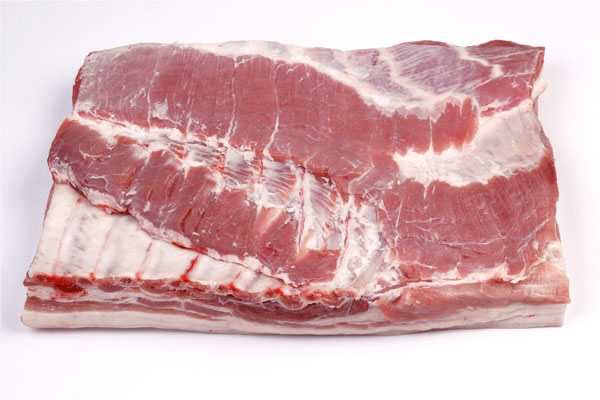
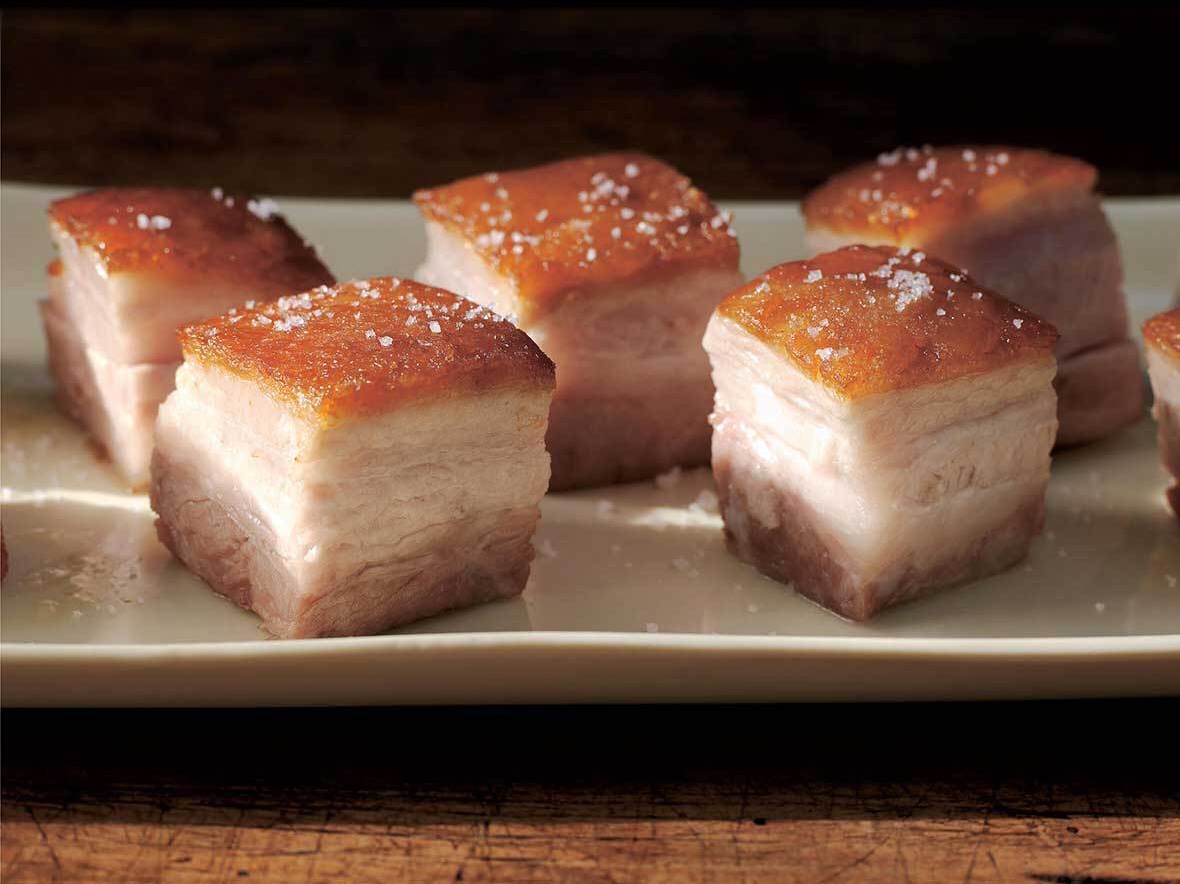
Description: Pork belly is a flavorful cut that is popular in Italian, French, Chinese and more and more in Southern cuisines. A hot commodity on the futures market, pork belly is very tasty but can also be fatty. It may be braised, turned into soft, rich shreds called rillettes, turned into confit or made into a terrine. It is the cut from which bacon and salt pork are prepared.

Meat Characteristics: Pork belly is a very fatty, tough, flavorful cut.

How much should I buy: A whole pork belly weighs about 18 pounds, a skinless pork belly weighs about 13 pounds.  Allow 4 to 8 ounces per person.

Common Flavor Combinations: Bay leaves, caraway, cilantro, cinnamon, cumin, fennel, garlic, leeks, paprika, sake, soy sauce, star anise.