Dianne Lake: “Member of the Family: My Story of Charles Manson, Life Inside His Cult, and the Darkness That Ended the Sixties”

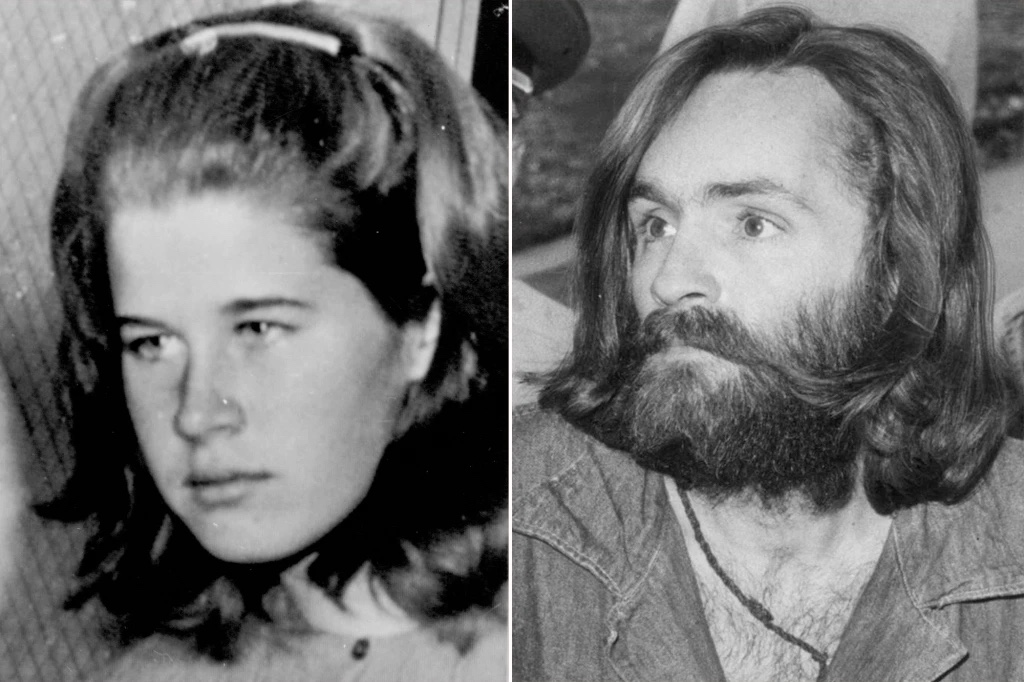
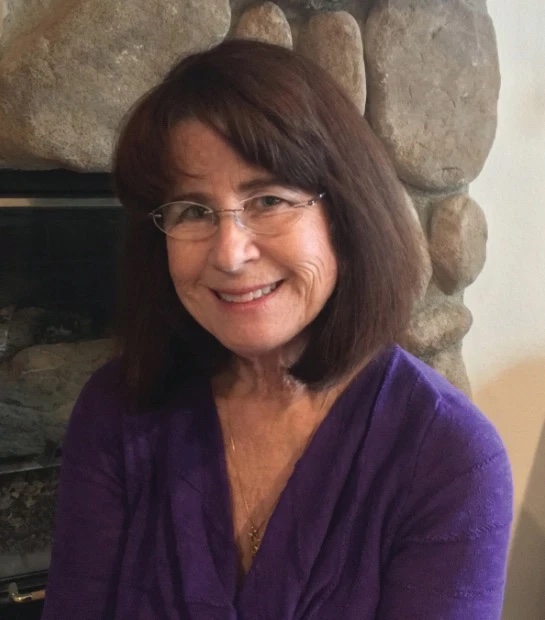
Dianne Lake was just 14 years old when she first met Charles Manson. Her parents were hippies who moved in the same circles as the charismatic cult leader, who would go on to orchestrate the murders of at least seven people, including actress Sharon Tate. In 1967, Lake was going to love-ins and communes, having been given a note from her parents granting her permission to live on her own. While she never participated in any of the cult’s gruesome crimes, she would spend two years living with the Manson Family, becoming its youngest member. Lake, opened up about the man whose spell she fell under in her book, “Member of the Family: My Story of Charles Manson, Life Inside His Cult, and the Darkness That Ended the Sixties

Excerpt:

[It all started with meeting him at a party in LA’s Topanga Canyon at a place called the Spiral Staircase House.]

When we arrived, we climbed the stairs that led into the living room, and a red-haired girl got up to greet us. She stared at me for a minute and ran back to her friends yelling, “Dianne is here! Dianne is here!”

I was incredibly confused. As far as I knew we weren’t planning to go to the party until the last minute, so I couldn’t imagine they were expecting me. The girl returned with three other girls, who all took turns hugging me. The red-haired girl, who called herself Lynette, said, “You are even prettier than your picture. Charlie is going to be so happy to meet you.”

She took my hand and led me to where a bunch of people were sitting in a circle, and in the middle of the floor sat a small man playing the guitar. There were girls surrounding him, singing along to his soulful music of songs I’d never heard before. The girls sat me down, and Lynette kept her arms around my shoulder. As soon as the music stopped, she jumped up and pulled me by the hand.

“Charlie, we found Dianne. She’s here!” They weren’t just excited, they were overjoyed. It had been ages since I felt truly wanted, and all the attention made me feel like royalty.

They were beaming with love and I felt it. Without hesitation, they sat me in their circle as if I belonged and, strange as it may seem, I felt like I belonged there, too.

Lynette must have sensed my confusion, because she began to explain how they recognized me. While I’d been off in the Haight, they’d met my mother at the [hippie commune] Hog Farm. Apparently, my mother had given them my photo and told them to keep an eye out for me if they made it to San Francisco.
What I didn’t understand then and only learned much later was that my parents and siblings had done more than just run into the Family at the Hog Farm and given them my photo. They’d actually taken a trip into the desert with them, traveling in the black school bus that Charlie drove around in and outfitted for his followers.

Many people during this period were painting buses, bread trucks and VW vans with psychedelic Day-Glo colors. Charlie and the girls chose to make a different statement with their monochrome home on wheels, tricking out a surplus school bus by painting it all black, including the windows, which made him easy to spot. To the residents of Tujunga and the Hog Farm, Charlie was known as Black Bus Charlie.

Charlie stood up and looked into my eyes so deeply and intimately that I almost turned away on instinct. Instead I held his gaze and felt like he was looking into me.

“So, this is our Dianne,” he said and pulled me to his chest in a hug so close I could feel his heartbeat. He held on for several seconds and I felt my resistance fade. I was used to the hippie hugs at the Hog Farm, but this felt warm and real. Tears welled up into my eyes as I took in his embrace.

Charlie held me at arm’s length, looked at me and said, “Oh, you’re beautiful. I want to talk to you. I’ve been looking for you.” I sat next to him and listened as he sang and told funny stories. My first impression of him was that he was charming, witty and most of all intriguing.

“Have some root beer, little darling. I give you the last sip in honor of your arrival.”
Lynette and a girl named Patty stroked my hair and passed me a joint while Charlie strummed out more tunes on the guitar. At first I thought Patty was homely. She had a prominent, bulbous nose and thin lips. But when she smiled, her face became beautiful to me. She exuded a motherly warmth and was obviously completely smitten with Charlie. His presence was disarming. He continued to sing and seemed to make up the words as he went along.

“Dianne is home,” he sang out, and the girls joined in with the chorus: “Home is where you are happy.”

Everything felt like a dream. I had been around groups of people grooving on music, but they were often into their own trip. These girls seemed to love one another. They were affectionate like best friends or sisters, but it didn’t seem fake. They weren’t trying to outdo each other in their outrageousness, as was true of those at the Hog Farm, where everything seemed like one big joke. There was something different about this group of girls and about Charlie and while I wasn’t sure what it was, I immediately knew I wanted to be a part of it. Like a raindrop joining a puddle, I blended in easily, my loneliness disappearing. For the first time in my life, I felt like I was in the right place at the right time.

There was a lot of unspoken communication between Charlie and the girls. His expression changed slightly, and as if the scene had been rehearsed, Patty took his guitar from him. He stood, took my hand and led me outside. We walked hand in hand to the black bus. He went in first and motioned for me to follow. It reminded me of a raja’s palace, with mattresses on the floor and Indian-print bedspreads and carpets hanging from the walls. Pillows were strewn about and colorful swirls were painted on any surface not already covered with fabric. This explosion of color was the last thing I’d expected from the blackness of the exterior.

We sat facing each other and the anticipation swelled up inside me. I expected a kiss, but instead Charlie had me put my hands up against his. He moved his hands in different directions until I caught on that I was to follow his every move. It was a game, and I was more than eager to play. It was like he was syncing up our energy. He sped up until I could no longer follow and he started to laugh. Then he guided me onto the mattress and again looked into my eyes so that I felt there was no one else but the two of us in the entire world. “You are so beautiful, my little one.” His voice was barely above a whisper, but I heard it reverberate through my consciousness.

We had only smoked pot, but I felt as if I were on a trip, his trip, and he was guiding my every move. Charlie was older than the other men I had slept with, but his body seemed younger. He had tattoos on his arms and a small tuft of hair on his chest. There was something magnetic about him, even though I wasn’t sure I even found him attractive. He was small and nice-looking but not as classically handsome as some of the men I had pursued. The attraction was more chemical and inevitable without any thought about whether I would or wouldn’t.

He took his time to explore my body. He avoided the places that made me purr until I could barely stand it. After a few minutes, he put himself inside me while staring into my eyes. He was tender as he held me up to meet his deep thrusts. When he finished, he sighed; I exhaled and realized I was hooked.

I watched as Charlie put on his jeans. He was clearly a man but also seemed like a boy. He was playful, and that made me feel even more comfortable with him. Sometimes after I would sleep with a man, I would be left feeling empty. My experience with Charlie was the beginning of something. I felt appreciated by him, not just like some pretty young thing. Charlie was offering me more than sex. He told me I should forget my parents and give up my inhibitions. He made it clear he wanted me to be a part of the group; his group. It felt as if there was no turning back. When I’d been with other older men, I’d been playing the role of a woman — Charlie made me feel like I’d actually become one. He said everything I needed to hear.

That night I went home with [friends] Richard and Allegra, but I knew I would return. The decision seemed so natural; a date with destiny. Charlie and the girls were now living at the Spiral Staircase House. It was only a matter of time before I joined them.

Things with Richard and Allegra continued much as they had been, with them taking me back and forth to the Hog Farm. Whatever threads bound me to that place were finally severed as it became clear there was nothing left for me there. I was an outsider, and my parents and brother and sister were having a life without me. Each time I took a trip there, my presence seemed to make less and less sense.

When I eventually made it back to visit Charlie and the girls at the Spiral Staircase House, Lynette and Patty told me I should stay with them. Creating a sense of urgency, they told me they were planning to take a trip soon, and I had to make up my mind.

I wasn’t sure yet about leaving my parents for good; in living with Richard and Allegra, I still had a connection to the Hog Farm as well as the possibility that my parents would tell me they wanted me to stay. It was a childish fantasy, but it helped ground me. As long as I was near them, I wasn’t truly alone. Still, I was concerned that I would lose my new friends if I hesitated for too long.

When I got back from the Spiral Staircase House, I told Richard and Allegra about the possibility of going with Charlie and the girls. “I don’t know about that, Chicken Little,” Richard said. For some reason, he had changed his mind about Charlie. “It may not be such a cool scene. Maybe you should stick around here for a little while.”

That was the one warning I got about Charles Manson. It was not from my parents or from people at the Hog Farm. It was from my speed-addict friend who somehow understood something that the rest of us did not. Richard never gave me any specifics about why he felt the way he did, so I don’t know where his hesitation came from, and thus there was nothing to dampen my growing crush on Charlie and his girls. But honestly, I’m not sure anyone could have kept me away. The pull of belonging had become too great.

I thought about the note my parents had given me. Even though it was for a specific purpose, it had given me my freedom to be on my own. I didn’t see any reason not to use it as my passport to Charlie’s world.

I visited the Hog Farm one last time, stuffing what few belongings I had in the bread truck into my knapsack and saying goodbyes to my father, mother, brother and sister. As we parted, I was surprised how little I felt toward them. The rift that had been growing for months was finally complete.

When Richard and Allegra took me to the Spiral Staircase House, all the girls ran out to greet me. It turned out they were packing the bus for a drive and told me I was just in time. Charlie reached out his hand to me. And I took it.

Remembering his face in the December light, I find it hard to reconcile the man I followed onto that bus with the monster the world now knows him to be. Over the years, I’ve wished that I could go back and show my younger self what he was to become, changing the story from the start. Clearly that’s not something anyone can do, so I’m left trying to defend the indefensible: Why did I get on that bus?

In the decades since I first met him, I’ve turned the question over in my mind countless times. The obvious answer was that I felt an attraction to him, and as a 14-year-old girl, I reacted to that hormonally. But that’s not really the answer, or at least the full answer. More than just attraction, I felt a deep connection. It seemed as if he understood me completely and wouldn’t let me down or betray me as all the other important people in my life had. Ever since we’d “dropped out,” I’d been an afterthought, at various points a mouth to feed, jailbait and a reminder of a previous life in the straight world.

With Charlie and the Family, from the beginning, there was none of that baggage. I had a place with them from that first night. I belonged in a way that I hadn’t anywhere in months. Charlie and the girls also made it OK for me to want and have sex. It seems so simple, yet this freed me from some of the deepest confusion and shame I’d been experiencing since I was 9.

There is no doubt that Charlie took advantage of me. This small man oozed self-confidence and sex appeal, and as he would demonstrate time and time again in the months and years ahead, he knew exactly what he was doing. He was a master manipulator, while I was 14 and essentially on my own. I was a naive, lonely, love-starved little girl looking for a parental figure to tell me, “No, don’t do that.”
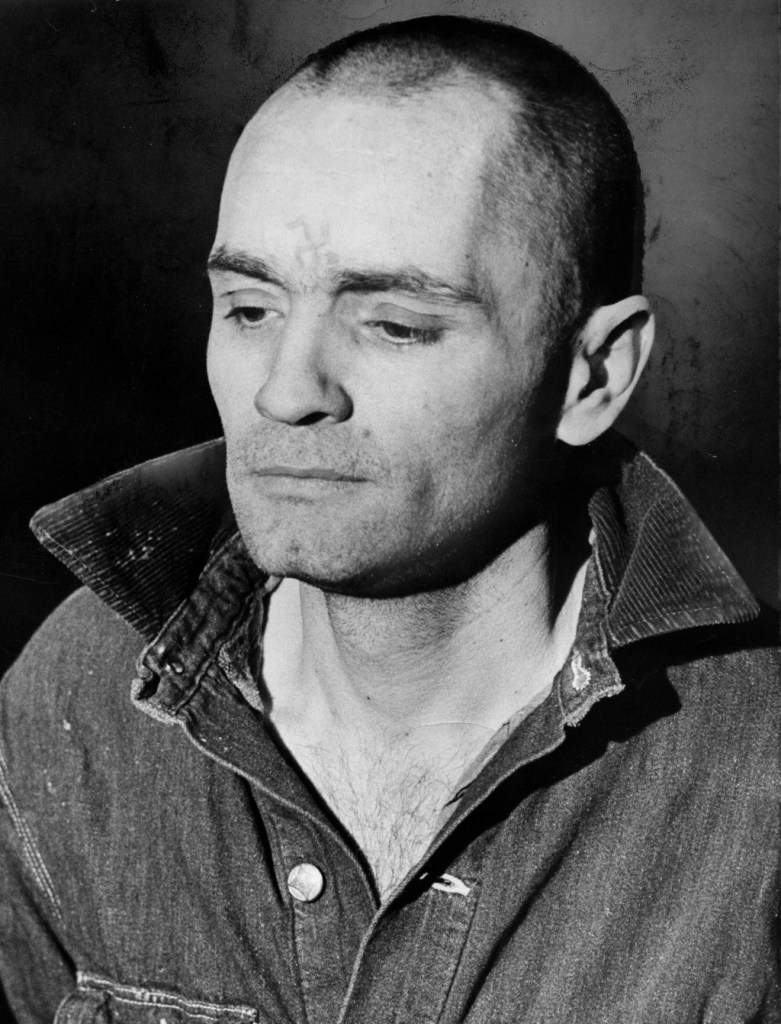
As I discovered that first day in his magic bus, when he focused his attention on you, he made you believe there was no one else in the world. He also had the uncanny sensibility bestowed upon mystics, yet misused by sociopaths and con men, to know exactly what you needed.

Charlie knew what you were afraid of and could paint a scenario that would use all those insights to his advantage — traits that I would see in equal parts over time. Of course, in this moment, as I walked up the bus steps, I saw none of these things. Instead, all I saw was acceptance.

But perhaps the most impressive trick of all was how he made this seem as if it was my idea. Ever since my father first left home, I’d cultivated a sense of independence. I’d taken care of my siblings, I’d cooked, I’d become a free thinker, I’d taken drugs. I might have been 14, but I thought I understood who I was and what was missing from my life.

What I needed was a family. And now it seemed I’d found one.

4/20 Day

The stoners among you will recognize that, being 4/20 in American date notation, it’s also a day to celebrate smoking weed, since “420” is American argot for marijuana. Why? Here’s why:

In 1971, five high school students in San Rafael, California, used the term “4:20” in connection with a plan to search for an abandoned cannabis crop, based on a treasure map made by the grower. Calling themselves the Waldos, because their typical hang-out spot “was a wall outside the school”, the five students — Steve Capper, Dave Reddix, Jeffrey Noel, Larry Schwartz, and Mark Gravich —designated the Louis Pasteur statue on the grounds of San Rafael High School as their meeting place, and 4:20 pm as their meeting time. The Waldos referred to this plan with the phrase “4:20 Louis”. After several failed attempts to find the crop, the group eventually shortened their phrase to “4:20”, which ultimately evolved into a code-word the teens used to refer to consuming cannabis.

Bicycle Day

Happy Bicycle Day, which doesn’t celebrate bicycles but the effects of LSD:

On April 19, 1943, Albert Hofmann, a researcher at Sandoz Laboratories in Basel, Switzerland, purposely ingested .25 milligrams (250 micrograms) of LSD at his lab. He thought this would be the threshold dose—the lowest amount taken where there are still effects—when in reality the threshold dose for LSD is only 20 micrograms. But what does a bicycle have to do with the day?

Within an hour, Hofmann began to notice changes in his perception and senses. He decided that he should go home, so he hopped on his bicycle and began riding. Because the drug was already greatly affecting him, he had his laboratory assistant help guide him to his house. At times during his bicycle ride, he thought he was going insane, thought his neighbor was a witch and thought the LSD had poisoned him.

He later wrote in LSD: My Problem Child, “On the way home, my condition began to assume threatening forms. Everything in my field of vision wavered and was distorted as if seen in a curved mirror. I also had the sensation of being unable to move from the spot. Nevertheless, my assistant later told me that we had traveled very rapidly.”

Needless to say, his bicycle ride was quite a trip.

Turn On, Tune In, Drop Out.

Timothy Leary was an American psychologist who became an iconic figure of the 1960s counterculture, coining possibly the most widely used catchphrase linked with that era: “Turn On, Tune In, Drop Out.”

However, the order in which Leary wished us to do these three things is slightly different. He felt that society was polluted by politics, and made up of sterile, generic communities that do not allow the depth of meaning needed by true individuals. The first thing he thought we should do is “Drop Out,” by which he meant that we should detach ourselves from artificial attachments and become self-reliant in thought and deed. Unfortunately, “Drop Out” has been misinterpreted as urging people to halt productivity, which was never his intention.

Next, Leary tells us to “Turn On,” or delve into our unconscious, and “find a sacrament which returns you to the temple of God, your own body.” This is a command to explore deeper layers of reality, as well as the many levels of experience and consciousness. Drugs were one way to do this, and Leary, a Harvard professor, began experimenting with the hallucinogenic drug LSD.

To “Tune In,” Leary asks us to return to society with a new vision, seeking fresh patterns of behavior that reflect our transformation, and to teach others our newfound ways.”

Oishinbo

1CDAC4E4-0C83-48E5-88F7-A6DD90F43156

Oishinbo (美味しんぼ, “The Gourmet”) is a long-running cooking manga written by Tetsu Kariya and drawn by Akira Hanasaki. The manga’s title is a portmanteau of the Japanese word for delicious, oishii, and the word for someone who loves to eat, kuishinbo. The series depicts the adventures of culinary journalist Shirō Yamaoka and his partner (and later wife), Yūko Kurita. It was published by Shogakukan between 1983 and 2008 in Big Comic Spirits, and resumed again on February 23, 2009, only to be put on an indefinite hiatus after the May 12, 2014 edition in the weekly Big Comic Spirits as a response by the publisher to harsh criticism of Oishinbo’s treatment of the Fukushima Daiichi disaster.

Oishinbo is a drama featuring journalist Shiro Yamaoka who works for Touzai Shimbun. He is a cynical food critic who is tasked by the newspaper’s owner, along with the young Yuko Kurita, to provide recipes for the “ultimate menu”. During their search, the encounter Yamaoka’s fastidious and demanding father, Kaibara Yuzan, a famous gourmand who tries to sabotage Yamaoka’s project.

United States Release:

Oishinbo: Japanese Cuisine, Vol. 1 (January 20, 2009)

Japanese Cuisine introduces us to the fundamental ingredients–rice, sashimi, green tea, and dashi (cooking stock)–that constitute the soul of the Japanese kitchen. In each story we learn about the proper preparation and presentation of different dishes, as well as their history and cultural significance. The result is a moveable feast of a book, as informative as it is engaging.

Oishinbo: Sake, Vol. 2 (March 17, 2009)

In this volume, the focus shifts from food to drink: specifically, to sake. For centuries different types of sake have played the same roles in Japan as wine and beer have in the West, from inexpensive everyday drink to refined single-batch rarities. Above all, sake has been enjoyed as an accompaniment to a meal, and after a revelatory moment one night, Yamaoka decides that drink pairings must be an integral part of the Ultimate Menu. So which foods go best with which drinks? Sit down, pour yourself a glass, and read on!

Oishinbo: Ramen & Gyoza, Vol. 3 (May 19, 2009)

Few foods inspire as much passion and partisanship as the dish of noodles in broth known as “ramen.” Hot or cold, plain or miso, from fancy fusion creations to humble roadside takeout, ramen is truly a beloved food, one that can give rise to fierce loyalty or fiercer criticism (not to mention the occasional fistfight). In this volume of Oishinbo, Yamaoka and company inquire into the “soul of ramen,” from the flour used in the noodles to the chickens used in the broth. And where there’s ramen, there’s gyôza: little dumplings made with a variety of fillings and served as a side dish. Will Yamaoka be able to create an “ultimate” gyôza before Kaibara creates a “supreme” one?

Oishinbo: Fish, Sushi & Sashimi, Vol. 4 (July 21, 2009)

Yamaoka and his father, Kaibara Yūzan, have never enjoyed an ideal father-son relationship. In fact, it’s about as far from ideal as possible, and when they start arguing about food–which they inevitably do–the sparks really fly. In this volume of Oishinbo the subject of dispute is fish, starting with the question of whether mackerel can ever be truly good sashimi. Later, things come to a head during the “Salmon Match,” which pits father against son in an epic contest to develop the best dish before a panel of judges. Will Yamaoka finally defeat Kaibara? Or will he once again be left in his father’s shadow?

Oishinbo: Vegetables, Vol. 5 (September 15, 2009)

Weekly Time magazine sets up a series of culinary battles between the Tōzai News’s “Ultimate Menu,” represented by Yamaoka, and the Teito Times’s “Supreme Menu,” represented by Kaibara Yūzan, Yamaoka’s father and nemesis. The ingredient this time is vegetables, specifically cabbages and turnips. Who will win the Vegetable Showdown? Later, Yamaoka and Kurita help Tomii’s son get over his hatred of eggplant, and patch a rift between lovers using the power of asparagus.

Oishinbo: The Joy of Rice, Vol. 6 (November 17, 2009)

In this volume of Oishinbo, Yamaoka and company look into the single most essential food in Japanese cuisine: rice. Cultivated for millennia, a staple meal in itself and the basis of countless other dishes, rice is an important component not only of the Japanese kitchen but also of Japanese culture. When Yamaoka is asked by Tōzai’s head chef for help in coming up with a new rice dish, what starts out as a simple culinary request rapidly grows into a disquisition into the past, present and future of Japan’s food culture.

Oishinbo: Izakaya: Pub Food, Vol. 7 (January 19, 2010)

Izakaya occupy the same vital space in the Japanese culinary landscape as tapas bars in Spain or tavernas in Greece. Unpretentious, frequently boisterous, they’re places to meet with friends or business partners to unwind over drinks and small dishes that range from hearty standards to refined innovations. In this volume of Oishinbo, Yamaoka and Kurita investigate classic izakaya foods such as edamame and yakitori, devise new dishes to add to the menu of an old shop, and discover how the concept of “play” is essential to the enjoyment of food.

Sources: Oishinbo manga, Wikipedia

Tokyo Ghoul

Tokyo Ghoul is set in an alternate reality where ghouls, creatures that look like normal people but can only survive by eating human flesh, live among the human population in secrecy, hiding their true nature in order to evade pursuit from the authorities. Ghouls have powers including enhanced strength and regenerative abilities – a regular ghoul produces 4–7 times more kinetic energy in their muscles than a normal human; they also have several times the RC cells, a cell that flows like blood and can become solid instantly. A ghoul’s skin is resistant to ordinary piercing weapons, and it has at least one special predatory organ called a kagune, which it can manifest and use as a weapon during combat. Another distinctive trait of ghouls is that when they are excited or hungry, the color of their sclera in both eyes turns black and their irises red. This mutation is known as kakugan (“red eye”).

The story follows Ken Kaneki, a student who barely survives a deadly encounter with Rize Kamishiro, his date who reveals herself as a ghoul and tries to eat him. He is taken to the hospital in critical condition. After recovering, Kaneki discovers that he underwent a surgery that transformed him into a half-ghoul. This was accomplished because some of Rize’s organs were transferred into his body, and now, like normal ghouls, he must consume human flesh to survive. Ghouls who run a coffee shop called “Anteiku” take him in and teach him to deal with his new life as a half-ghoul. Some of his daily struggles include fitting into the ghoul society, as well as keeping his identity hidden from his human companions, especially from his best friend, Hideyoshi Nagachika.

Sources: Tokyo Ghoul Manga, Wikipedia

Foundation for Individual Rights in Education (FIRE) “Worst Colleges for Free Speech”

Foundation for Individual Rights in Education (FIRE) awards its yearly “Worst Colleges for Free Speech”

University of Tennessee, UT Health Science Center, Memphis, TN. A doctoral student in pharmacy was investigated for her excessive “sexuality” in her social-media posts, even though she didn’t identify herself as a student in the program. She’s sued the university.

St. John’s University, Queens, NY. A professor was removed from the classroom indefinitely for asking students whether the transatlantic slave trade had any positive effects on biodiversity. He didn’t try to justify slavery; this was part of a course on the effects of transatlantic ship traffic on biodiversity. He’s sued the University.

Collin College, McKinney, TX. A history professor criticized Mike Pence on Twitter during the Vice-Presidential debate, saying that the moderator “needs to talk over Mike Pence until he shuts his little demon mouth up.”  The college issued a statement condemning her tweets and gave her a written warning despite the fact that her tweets were protected by the First amendment. Collin College then refused to renew her contract. Collin College did several other questionable things that are detailed in the piece.

Haskell Indian Nations University, Lawrence, KS. This is a publicly-funded school. It kicked out a student during the pandemic, forcing him to sleep in his car, for criticizing a university official. It also tried to order the student newspaper not to criticize the University.

New York University, New York, NY. NYU’s school of medicine tried to prevent its doctors from making any public comments about the coronavirus without consulting the University. This constitutes “prior restraint”. (NYU is a private school but swears to uphold free speech.)

Duquesne University, Pittsburgh, PA. A professor gave a student permission to say the n-word during a class discussion about why it’s inappropriate to use the word. The prof didn’t say the word, but allowed a student to do so pedagogically. The professor was removed from the class and then suspended for seven months without pay, including mandatory training.  The prof has hired an attorney.

Frostburg State University, Frostburg, MD. Like NYU, this school told its employees not to speak to the media about how the school was handling the pandemic. (That’s illegal, as this is a public school.) It then investigated and harassed a reporter for the student newspaper who criticized the school’s pandemic response.

Northwestern University in Qatar, Doha, Qatar. This Qatari branch of the Chicago school canceled a rock band concert because the lead singer was openly gay, citing “safety concerns.” They had the event on the U.S. campus, but violated freedom of expression overseas.

University of Illinois at Chicago. A law professor asked a hypothetical question on a law-school exam using redacted words. The question included an assertion that a person said they were called “a ‘n______’ and ‘b_______’. (profane expressions for African Americans and women”  Yes, the words were censored on the exam. And how could he have posed a hypothetical any more sensitively? After all, to judge the case you need some idea how the words were used. Nevertheless, UIC opened an investigation into the professor’s exam. This is chilling of speech, pure and simple.

Fordham University, New York, NY. Fordham has repeatedly refused to recognize a chapter of Students for Justice in Palestine because “its sole purpose is advocating political goals of a specific group.” This has been going on for four years. As I’ve said, I consider SJP an Islamist organization, but it’s both illegal and unethical to not recognize it when it recognizes other organizations with political agendas. The school also suspended a student for legal postings on his Instagram account.

And. . . . a school gets a Lifetime Censorship Award for repeated violations of its free-speech code! Voilà:

There’s too much to recount, but here’s one paragraph:

Even inaugurating a new chancellor in 2014 did not stem the tide of student rights abuses — Kent Syverud oversaw the dismantling of an entire engineering fraternity and the expulsion of several members in 2018 over their private satirical “roast.” Syracuse claims that the voluntary skit constituted “conduct that threatens the mental health” of others once it was leaked to the public — an assertion so preposterous that it led to lawsuits in state and federal court, where university attorneys attested, under oath, that the school’s speech promises are, in fact, worthless. Syracuse concluded the decade by rejecting a Young Americans for Freedom chapter over its conservative viewpoints, banning all fraternity social activity despite no evidence of misconduct by any of the students, and, most recently, placing a professor on leave for writing “Wuhan Flu or Chinese Communist Party Virus” on his course syllabus.

It’s sadly ironic that the university itself argues that its promises of free expression are worthless. Parents, don’t let your children grow up to be Syracuse students!

As a palliative, here are FIRE’s top five for free speech:

  1. The University of Chicago
  2. Kansas State University
  3. Texas A&M University
  4. University of California, Los Angeles
  5. Arizona State University

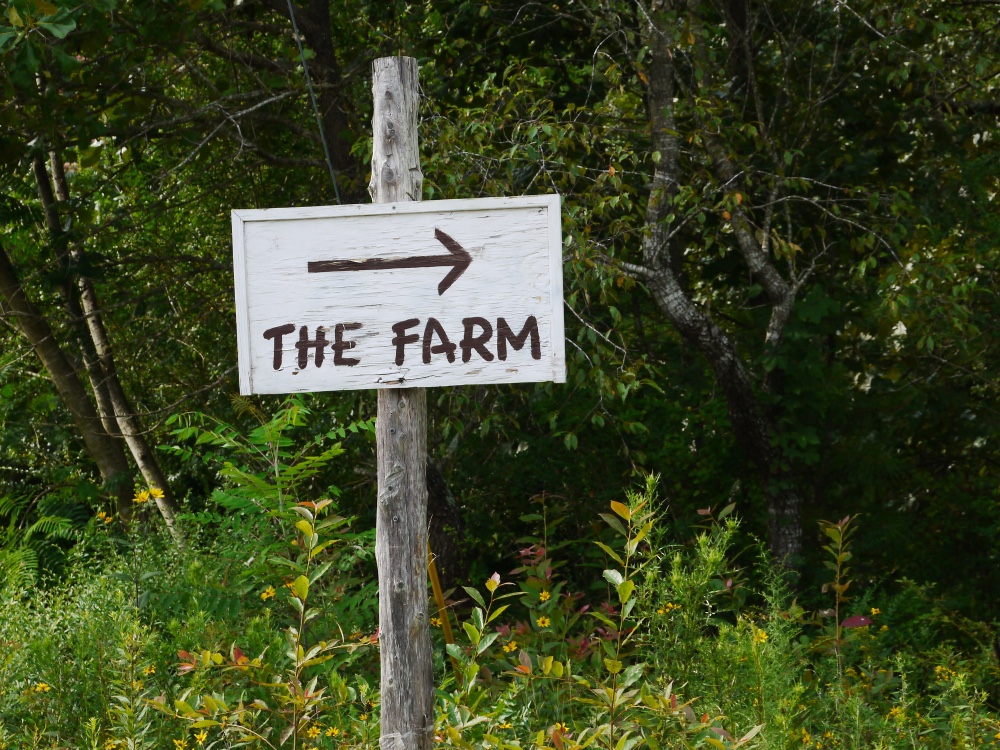
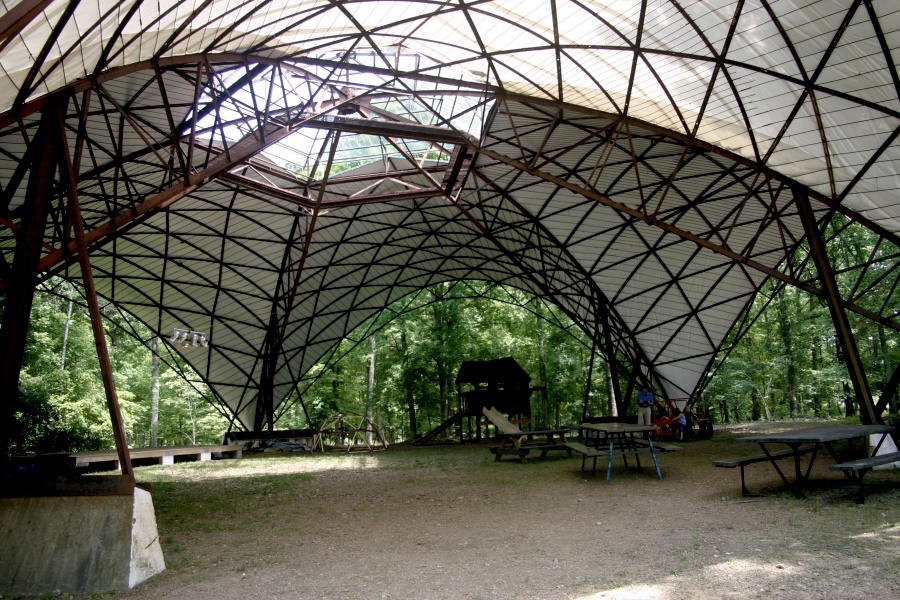
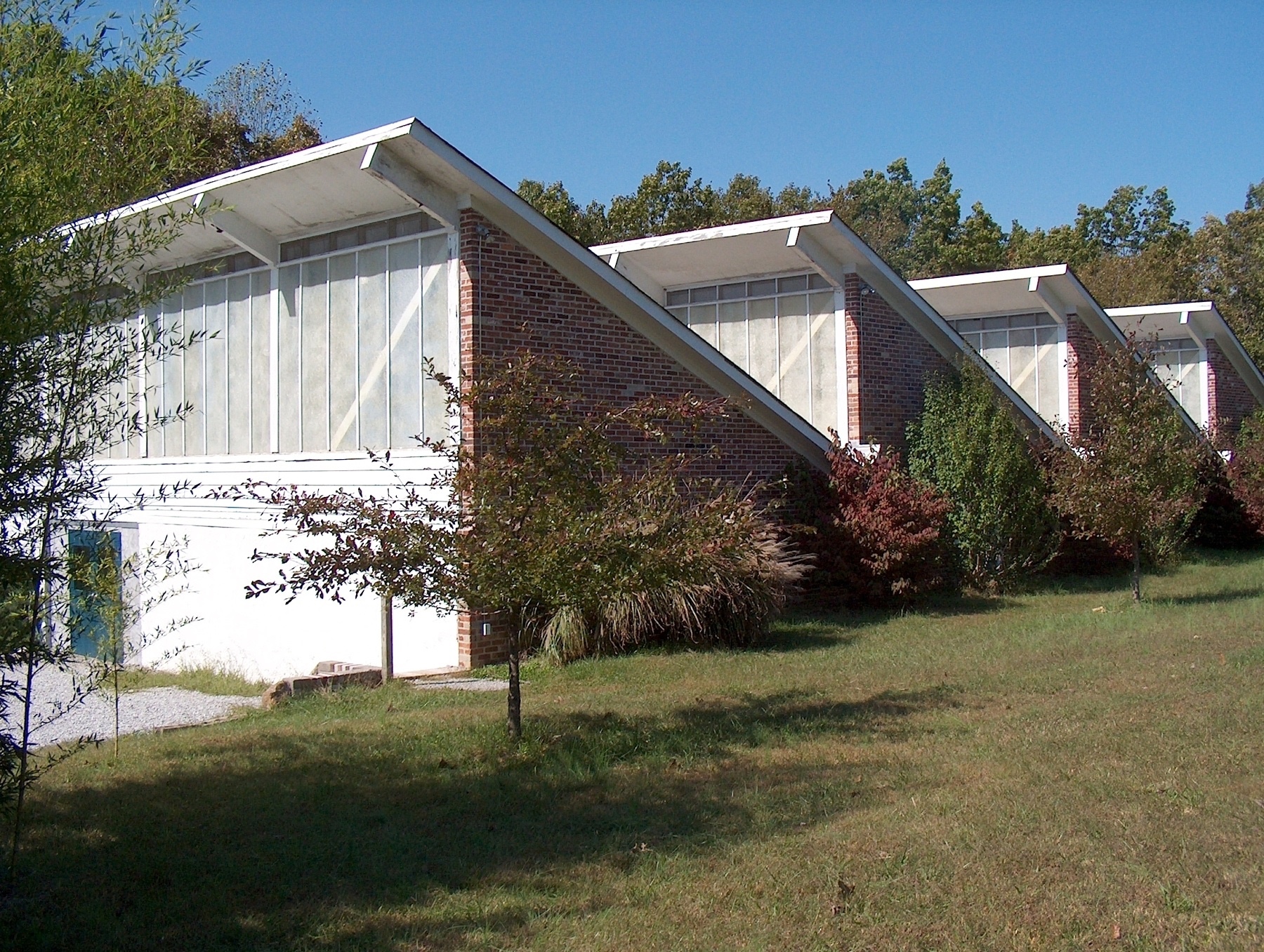
The Farm Community – Summertown, Tennessee

The Farm is the oldest and biggest intentional community, at its peak in the 80’s it had over 1500 members. It is an intentional community that fostered spiritual growth, world peace and ecological harmony. Today the Farm has about 175 residents. 

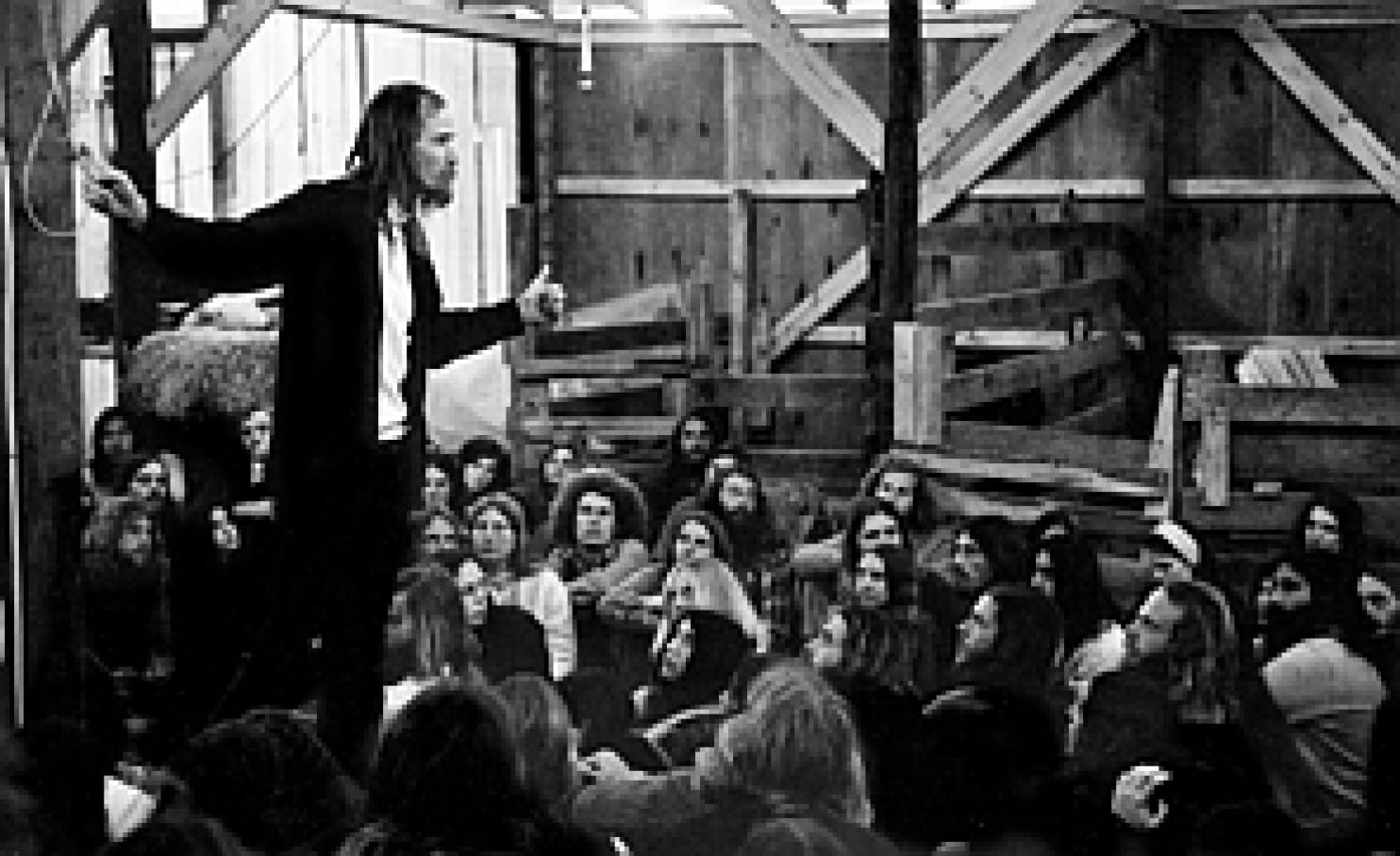
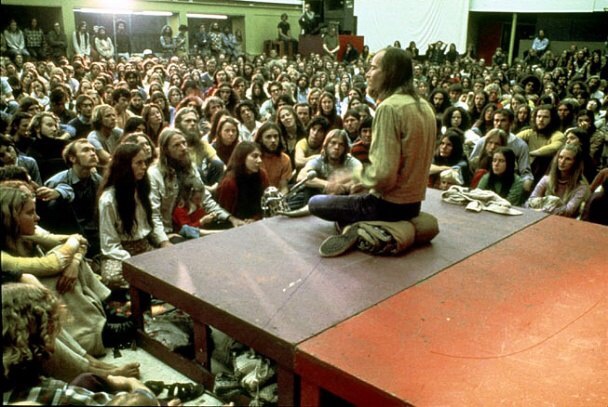
It was founded in 1971 by Stephen Gaskin and 320 hippies from San Francisco. Gaskin and friends led a caravan of 60 buses, vans, and trucks from San Francisco on a four month speaking tour across the US. Along the way, they became a community, lacking only in land to put down roots. After returning to California, the decision was made to buy land together. Combining all their resources would finance purchase of only about fifty acres in California. Another month on the road brought the group back to Tennessee, where they checked out various places that might be suitable to settle. They deciding on property in outside of Summertown south of Nashville. After buying 1,064 acres for $70 per acre, the group began building its community in the woods alongside the network of crude logging roads that followed its ridgelines. Shortly thereafter, an adjoining 750 acres were purchased for $100 per acre.

Gaskin and friends led a caravan of 60 buses, vans, and trucks from San Francisco on a four month speaking tour across the US. Along the way, they became a community, lacking only in land to put down roots. After returning to California, the decision was made to buy land together. Combining all their resources would finance purchase of only about fifty acres in California. Another month on the road brought the group back to Tennessee, where they checked out various places that might be suitable to settle. They deciding on property in outside of Summertown south of Nashville. After buying 1,064 acres for $70 per acre, the group began building its community in the woods alongside the network of crude logging roads that followed its ridgelines. Shortly thereafter, an adjoining 750 acres were purchased for $100 per acre.

In 1983, due to financial difficulties and also a challenge to Gaskin’s leadership and direction, the Farm changed its agreement and began requiring members to support themselves with their own income rather than to donate all income to the central bank.This decollectivization was called the ‘Changeover,’ or ‘the Exodus.’

In the nineties, with the community back on solid ground, The Farm returned to its original purpose of initiating social change through outreach and example. The Ecovillage Training Center was established as an educational facility in new technologies such as solar energy, bio fuels, and construction techniques based on locally available, eco-friendly materials.

Gaskin’s wife, Ina May Gaskin and the midwives of the Farm created The Farm Midwifery Center, one of the first out-of-hospital birth centers in the United States. Family members and friends are commonly in attendance and are encouraged to take an active role in the birth.

“Gaskin, a longtime critic of American maternity care, is perhaps the most prominent figure in the crusade to expand access to, and to legalize, midwife-assisted home birth. Although she practices without a medical license, she is invited to speak at major teaching hospitals and conferences around the world and has been awarded an honorary doctorate from Thames Valley University in England. She is the only midwife to have an obstetric procedure named for her. The Gaskin Maneuver is used for shoulder dystocia, when a baby’s head is born but her shoulders are stuck in the birth canal.”

~ New York Times

The Farm Community – Beliefs and Agreements

The Farm Community is comprised of many individuals, each with their own vision and ideas about spirituality as it applies to their daily life. It was founded on the principle that we respect all religions and practices. There are many basic agreements that were telepathically understood, however in an effort to avoid the creation of dogma and ritual, no formal document exists that defines the spiritual beliefs of The Farm.

Some years ago, several members of The Farm Membership Committee endeavored to create such a document, researching through previously published books and materials to identify statements that could still ring true for most members of the community. Although we make no claim that it represents every person completely, we present it here to give you some concept of our original beliefs and agreements.

As a church, we live in community and our reverence for life has always been central to our ways. Within The Farm Community, people could live together and pursue a spiritual path that includes, but were not limited to, the following common beliefs and agreements:

We believe that there are non-material planes of being or levels of consciousness that everyone can experience, the highest of these being the spiritual plane.

We believe that we are all one, that the material and spiritual are one,
and the spirit is identical and one in all of creation.

We believe that marriage, childbirth and death are sacraments of our church.

We agree that child rearing and care of the elderly is a holy responsibility.

We believe that being truthful and compassionate is instrumental to living together in peace and as a community.

We agree to be honest and compassionate in our relationships with each other.

We believe in nonviolence and pacifism and are conscientiously opposed to war.

We agree to resolve any conflicts or disagreements in a nonviolent manner.

We agree to keep no weapons in the community.

We believe that vegetarianism is the most ecologically sound and humane lifestyle for the planet, but that what a person eats does not dictate their spirituality.

We agree that livestock, fish, or fowl will not be raised in the community for slaughter.

We believe that the abuse of any substance is counterproductive to achieving a high consciousness.

We agree to strive for a high level of consciousness in our daily lives.

We believe that the earth is sacred.

We agree to be respectful of the forests, fields, streams and wildlife that are under our care.

We agree that the community is a wildlife sanctuary with no hunting for sport or food.

We believe that humanity must change to survive.

We agree to participate in that change by accepting feedback about ourselves.

We believe that we, individually and collectively, create our own life experience.

We agree to accept personal responsibility for our actions.

We believe that inner peace is the foundation for world peace.

Cheap High: Robotripping

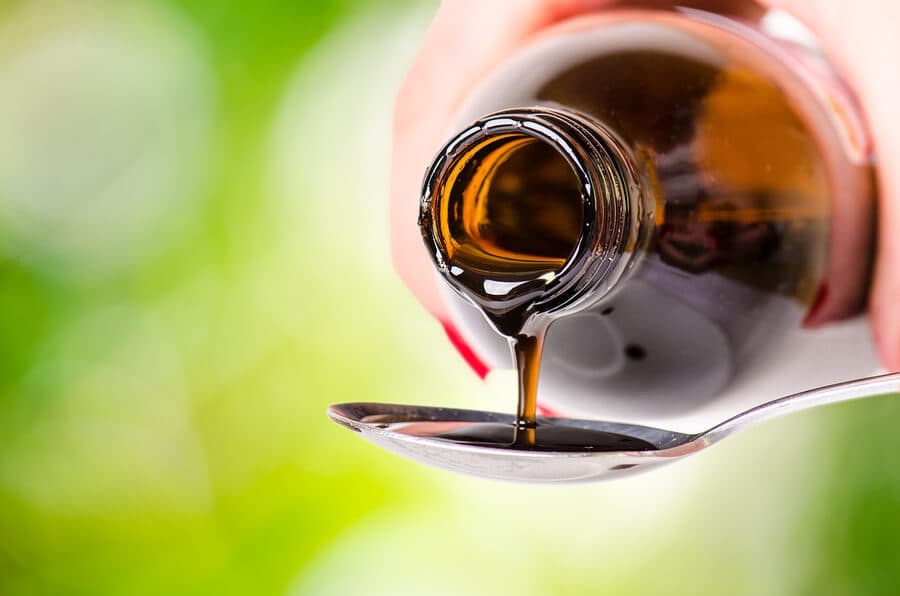
With all the pot and other dope going around, some people still insist on drinking cough syrup to get high. Robitussin DM can be purchased without a prescription, but you may have to sign for it in New York. It contains a small quantity of codeine, pheniramine, maleate, and glyceryl guaiacolate (a muscle relaxant). The effects are sedation and euphoria. The most common method of ingestion is straight or to mix Robitussin DM with an equal amount of ginger ale and drink. Never underestimate the potency of any drug. You can have an overdose of cough syrup.

There are four levels of “plateaus”, based on dose, reported by individuals who abuse dextromethorphan.

  • The first plateau is between 100 mg and 200 mg. At this level of abuse, the effect is a mild stimulation.
  • The next plateau occurs between 200 mg and 400 mg. Individuals taking the drug at this level will likely experience hallucinations and euphoria.
  • The third plateau occurs between 300 mg and 600 mg. Individuals at this plateau will likely experience issues with motor coordination and distorted visual perceptions.
  • The highest plateau is between 500 mg and 1500 mg. At this level, individuals can experience dissociative sedation.

Street names associated with robotripping, including dex, skittles, robo, triple C, and poor man’s PCP.

Drive Like A Hippie

SWEET HIPPIE RIDES

Volkswagen Microbus (1942–1971)

Volkswagen Beetle (1950–1965)

Volkswagen Squareback (1962–1973)

Volkswagen Fastback (1962–1973)

Volvo sedan (1950–1965)

Saab (1950–1965)

GMC/Chevy or Ford pickup (1951–1956)

Retired mail truck, school bus, hearse, ice cream truck, or repair van

INTERIOR DECORATIONS

Beads

Peace symbol pendants

Sage (to cover odor)

Crystal teardrops, strung on leather straps

Stained-glass pendants, strung on ribbons

Dreamcatchers

A lock of your old lady’s hair

PAINT YOUR VEHICLE! CONSIDER…

Breaching whales (not “beaching” whales. That would be a bummer.)

Grateful Dead skeletons and/or bears

Flowers

Psychedelic swirls

Airbrushed likeness of Jimi Hendrix, or yourself, or your old lady

IF YOUR “CAR” IS A BICYCLE

Spray it with paint (pink, green, or zebra stripes).

Add streamers to the handlebars.

Thread wildflowers between the spokes.

Find a small child to ride on your handlebars.

Attach a basket to the front (for carrying produce) and a milk crate to the back (for carrying litters of kittens).

Add a cheerful-sounding horn.

Glue tiny plastic farm animals all over the bumpers.

TYPICAL HIPPIE BUMPER STICKERS

Peace slogans*

“Music slogans

Marijuana slogans*

Tolkien quotations

*These may increase chances of getting pulled over.

Sources: Hippie Handbook