Identify Your “Triggers”

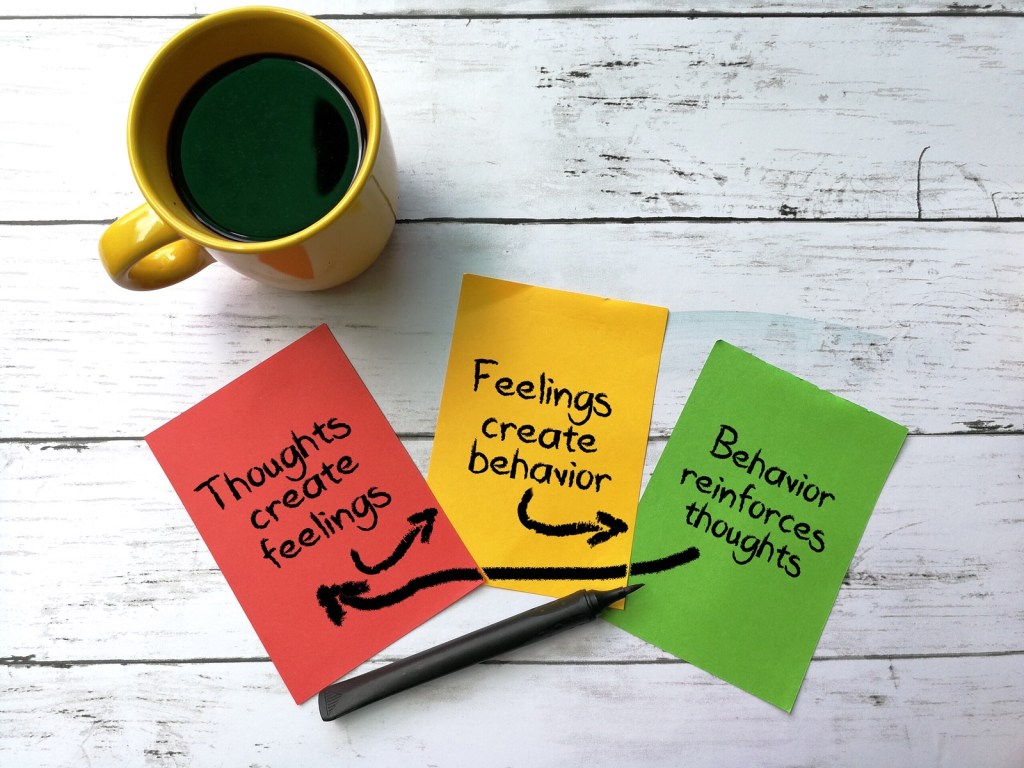
Each person has specific types of situations that set their automatic negative path in motion; these are their triggers. To address your problems, you need to know which situations are difficult and trigger your negative path.

While many people are aware of their triggers, some have trouble identifying their specific trigger situations. For example, a person may tell you that they are “always” sad, or “always” drink too much, and can’t identify specific problematic situations. Identifying your triggers helps you start to see patterns and then know what to focus on in therapy.

A helpful first step is to monitor your problematic feelings or behaviors and see if there are some situations where your feelings are stronger or your behavior is more extreme. For example, a person came to therapy because they were always angry. When asked for examples of specific situations, they responded that they were angry “all the time.” The first homework assignment was to monitor their angry feelings and see when they were strongest. They came back having discovered that they were the most angry when their teenage son didn’t do what they wanted him to do; for example, when he did his homework at 2 a.m., broke curfew, or did not do his chores. They discovered that their anger toward her son was spilling over into the rest of her life.

Frequently, people will describe their trigger situation in vague terms, and don’t really understand what happened. They need to become more specific and concrete. A specific and concrete description includes what happened, with whom, and the specific time and place it occurred. For example, a vague description of a situation would be “My partner doesn’t respect my work”; a more concrete and specific description would be “My partner told me that they thought their work was more important than mine.”

The more specific and concrete your description of the situation, the more you will be emotionally engaged with the situation, and the more you will have access to your feelings and thoughts. Think of someone you are a little annoyed with. Now, think of a specific situation when you were annoyed with this person. Try to remember the situation in detail. Chances are that as you thought about a specific situation, you became more annoyed and your feelings and thoughts became more immediate.

Sometimes your situation is a long, complicated story. In this case, consider the whole story and then ask what was the worst or most difficult part for you. It is helpful to identify a situation that lasts from a few seconds to three minutes, any longer and you will probably have a large variety of feelings and thoughts, and it will be hard to focus on the main ones.

Sources: CBT Made Simple
A Structured Cognitive Behavioral Therapy (CBT) Session

A structured session means that there is an order and organization to the therapy session. Here is a brief overview of the five basic components.

Check in. This is a quick update on what has happened since the previous session and includes a bridge to that session.

Set the agenda. You and your therapist decide together which problems to focus on in the current session. Homework from the previous session can be reviewed during the check-in or as part of the agenda-setting process.

Work the agenda. This involves addressing the identified problems on the agenda.

Homework. You and your therapist collaborate to develop homework for the following session.

Review. At the end of the session you briefly review with your therapist what was covered in the current session and give feedback.

Sources: CBT Made Simple

Humorism and the Four Personality Types

The Roman philosopher and physician Claudius Galen formulated a concept of personality types based on the ancient Greek theory of humorism, which attempted to explain the workings of the human body.

The roots of humorism go back to Empedocles (c.495–435 BCE), a Greek philosopher who suggested that different qualities of the four basic elements—earth (cold and dry), air (warm and wet), fire (warm and dry), and water (cold and wet)—could explain the existence of all known substances. Hippocrates (460–370 BCE), the “Father of Medicine,” developed a medical model based on these elements, attributing their qualities to four fluids within the body. These fluids were called “humors” (from the Latin umor, meaning body fluid).

Two hundred years later, Galen expanded the theory of humorism into one of personality; he saw a direct connection between the levels of the humors in the body and emotional and behavioral inclinations—or “temperaments.”

Galen’s four temperaments—sanguine, phlegmatic, choleric, and melancholic—are based on the balance of humors in the body. If one of the humors develops excessively, the corresponding personality type begins to dominate. A sanguine person has too much blood (sanguis in Latin) and is warm-hearted, cheerful, optimistic, and confident, but can be selfish. A phlegmatic person, suffering from excess phlegm (phlegmatikós in Greek), is quiet, kind, cool, rational, and consistent, but can be slow and shy. The choleric (from the Greek kholé, meaning bile) personality is fiery, suffering from excess yellow bile. Lastly, the melancholic (from the Greek melas kholé), who suffers from an excess of black bile, is recognized by poetic and artistic leanings, which are often also accompanied by sadness and fear.

According to Galen, some people are born predisposed to certain temperaments. However, since temperamental problems are caused by imbalances of the humors, he claimed they can be cured by diet and exercise. In more extreme cases, cures may include purging and blood-letting. For example, a person acting selfishly is overly sanguine, and has too much blood; this is remedied by cutting down on meat, or by making small cuts into the veins to release blood.

Galen’s doctrines dominated medicine until the Renaissance, when they began to decline in the light of better research. In 1543, the physician Andreas Vesalius (1514–1564), practicing in Italy, found more than 200 errors in Galen’s descriptions of anatomy, but although Galen’s medical ideas were discredited, he later influenced 20th-century psychologists. In 1947, Hans Eysenck concluded that temperament is biologically based, and noted that the two personality traits he identified—neuroticism and extraversion—echoed the ancient temperaments.

Sources: The Psychology Book (DK)

Communication Styles and Mental Health

Passive Communication
Passive people often don’t communicate verbally. They tend to bottle up their emotions instead of expressing them, perhaps out of fear of hurting others or making them uncomfortable, or maybe because they don’t believe their feelings or opinions matter as much as those of others. People with a passive communication style usually fear confrontation and believe that voicing their opinions, beliefs, or emotions will cause conflict. Their goal is usually to keep the peace and not rock the boat, so they sit back and say little.

Aggressive Communication
Aggressive communicators attempt to control others. They’re concerned with getting their own way, regardless of the cost to others. Aggressive people are direct, but in a forceful, demanding, and perhaps even vicious way. They tend to leave others feeling resentful, hurt, and afraid. They might get what they want, but it’s usually at the expense of others, and sometimes at their own expense, as they may later feel guilty, regretful, or ashamed because of how they behaved.

Passive-Aggressive Communication
Like passive communicators, those who have a passive-aggressive style fear confrontation and don’t express themselves directly. However, because of their aggressive tendencies, their goal is to get their way, but they tend to use indirect techniques that more subtly express their emotions, such as sarcasm, the silent treatment, or saying they’ll do something for others but then “forgetting.”

Assertive Communication
Assertive people express their wishes, thoughts, feelings, and beliefs in a direct and honest way that’s respectful both of themselves and of others. They attempt to get their own needs met but also try to meet the needs of others as much as possible. They listen and negotiate, so others often choose to cooperate with them because they’re also getting something out of the interaction. Others tend to respect and value assertive communicators because this communication style makes them feel respected and valued.

Sources: DBT Made Simple

Watch Your Emotions

People often try to avoid their emotions because they find them too painful. When you haven’t learned how to regulate your emotions you are in a lot of pain, and you don’t have the skills to manage and tolerate your emotions. You can use the acronym WATCH to help summarize the skills that will help them reduce their avoidance of emotions and improve their ability to manage emotions:

Watch: Watch your emotions. Mentally note your experience of an emotion, acknowledging how it feels physically, the thoughts, memories, or images that accompany it, and so on.

Avoid acting: Don’t act immediately. Remember that it’s just an emotion, not a fact, and that you don’t necessarily need to do anything about it.

Think: Think of your emotion as a wave. Remember that it will recede naturally if you don’t try to push it away.

Choose: Choose to let yourself experience the emotion. Remind yourself that not avoiding the emotion is in your best interests and will help you work toward your long-term goals.

Helpers: Remember that emotions are helpers. They all serve a purpose and arise to tell you something important. Let them do their job!

Sources: DBT Made Simple

Three Levels of Self-Validation

Acknowledging: The most basic level of self-validation is simply acknowledging the presence of the emotion rather than judging it; for example, telling yourself, I feel unhappy. Just acknowledging or naming the emotion and putting a period on the end of the sentence rather than going down the road of judging it validates the emotion.

Allowing: The second level of self-validation is allowing, which is essentially giving yourself permission to feel the feeling; for example, telling yourself, It’s okay that I feel unhappy. This takes not judging the feeling one step further, affirming that it’s okay to feel this way. This doesn’t mean liking the feeling or wanting it to hang around; it just means acknowledging that you’re allowed to feel the emotion.

Understanding: The highest (and hardest) level of self-validation is understanding. This level, which goes beyond not judging the emotion and saying it’s okay to feel it, involves having an understanding of it; for example, It makes sense that I feel unhappy, given the difficulties I have managing my emotions and the chaos this causes in my relationships and my life.

Source: DBT Made Simple

Crisis Prevention: Experience Intense Sensations

Experience Intense Sensations

Sometimes generating intense physical sensations can distract the mind from painful emotions. This helps explain why many people resort to cutting or hurting themselves in other ways: because it can actually help them feel better temporarily. Obviously, the key here is to help identify intense sensations that aren’t harmful. Think about physical sensations you can generate that might take your mind off a crisis. For people who engage in self-harm, try holding an ice cube in one hand. This can cause physical pain if held long enough, and the sensation is intense. For some people, this can take the place of self-harming behaviors. Here are some examples of other things you might do to get your mind off a crisis:

  • Take a hot or cold bath or shower.
  • Keep a rubber band on one wrist and snap it—not so hard that it causes a lot of physical pain, but hard enough to generate a sensation that will temporarily occupy the mind.
  • Chew on crushed ice or frozen fruit.
  • Go for a walk in cold or hot weather.
  • Lie in the hot sun (with sunscreen on!).

Again, add whatever intense sensations you can think of to your list of activities to help survive a crisis.

Sources: DBT Made Simple

Austen Riggs Center Psychiatric Hospital

The Austen Riggs Center is an open psychiatric hospital and treatment program that promotes resilience and self-direction in adults (18+) with complex psychiatric problems. They specialize in the long-term treatment of psychiatric disorders with intensive psychodynamic psychotherapy and a full range of psychiatric services, offered in a completely voluntary continuum of care that includes inpatient, residential, and day treatment programs.

They treat the individual, not the diagnosis. Diagnostic labels cannot capture the essence of an individual’s struggles or strengths, and they often obscure what people have in common. Many of their patients have multiple diagnoses, and many have been identified as “treatment resistant” in the past. Often they seek psychiatric treatment at Riggs because they need a different approach, and many opt to stay in our long-term residential treatment program following an initial evaluation and treatment period.

All patients have intensive psychodynamic psychotherapy four times a week with a psychiatrist or clinical psychologist. The goal is to help the person expand their capacity for work, play, and love by fostering improved self-esteem and resilience, and by helping them acknowledge and come to terms with whatever has previously blocked their development.

Recognizing the importance of the social context, they offer in-depth family evaluation, support for family members, and family therapy, as well as a robust Therapeutic Community Program in which patients can develop supportive peer relationships and learn about themselves with others. They offer opportunities for participation in patient government, in social and recreational activities, in reflective process groups, and in health and wellness activities such as meditation and yoga.

The Erikson Institute for Education and Research of the Austen Riggs Center studies individuals in their social contexts through research, training, education, and outreach programs in the local community and beyond. Part of that offering includes an Adult Psychoanalytic Training Program and Fellowship in Hospital-Based Psychotherapy for psychiatrists and psychologists. The program takes a systems perspective, emphasizing cultural and familial contexts, as well as individual development across the lifespan.

The basic ingredients essential to fulfilling the Center’s mission are:

  • Treatment organized around an intensive individual therapeutic relationship, focusing on the patient’s recognition and tolerance of experiences of conflict and pain, leading to the development of a sense of perspective on the illness
  • An open therapeutic community involving all staff and patients
  • A careful assessment phase, including psychological testing
  • A range of programs, geared to individual levels of capability and need
  • Continuous treatment by the same multidisciplinary team as patients move between programs
  • Psychopharmacologic treatment
  • Group work, substance use treatment, family treatment and help with reintegration into the external community
  • A broad activities program offering creative expression, with patients in the role of student, and in a “treatment free zone”
  • Ongoing staff training, research and education to further the primary clinical task
  • Recruitment and retention of quality staff

Vision:

In an increasingly complex and fragmented world, the dignity of the individual, the importance of human relationships and the centrality of a sense of community are more difficult to find. The focus and traditions of the Austen Riggs Center orient the staff to help troubled patients meet these and other rapidly changing psychological challenges of contemporary society. We will continually build on our distinguished past, helping our patients develop personal competence in a completely open setting that emphasizes the individual’s capacity to face and take responsibility for his or her life—past, present, and future. We nurture our patients’ strengths, foster their social functioning and encourage family collaboration. Through our research and training programs, we educate professionals in our psychodynamic perspective, applying this learning to a broad range of psychosocial problems. Finally, in this time of diminishing mental health benefits, we will continue to develop cost-effective treatment settings that focus on individual psychotherapy, community living and that attend to resource limitations as both reality to deal with and metaphor for other limits and losses.

Values:

  • Affirmation of the dignity and responsibility of the individual
  • Recognition, appreciation and enhancement of individual strengths
  • Importance of human relationships
  • Respect for individual differences
  • Centrality of the psychotherapeutic relationship
  • Learning opportunities in a community of differentiated voices
  • Importance of examined living
  • Attention to the conflict between individual choice and the requirements of a community
  • Openness to innovation and creativity
  • Open setting to promote personal responsibility and freedom of choice in treatment
  • Importance of recognizing and preserving multiple roles, including those of student and community member
  • Provision of treatment based on quality and outcome, not profit

Located in the small New England town of Stockbridge, MA, three hours from New York City, two hours from Boston, and one hour from Albany, NY, the Austen Riggs Center is fully licensed by the Massachusetts Department of Health and accredited by the Joint Commission.

National PTSD (Post Traumatic Stress Disorder) Awareness Day

It’s National PTSD (Post Traumatic Stress Disorder) Awareness Day! Please don’t tell someone just to get over it that it’s in the past or they can’t allow it to define them! Do you honestly think they haven’t tried that? So what does that mean, what are the symptoms…

—> Intrusive memories

~ Recurrent, unwanted distressing memories of the traumatic event
~ Reliving the traumatic event as if it were happening again (flashbacks)
~ Upsetting dreams or nightmares about the traumatic event
~ Severe emotional distress or physical reactions to something that reminds you of the traumatic event

—> Avoidance

~ Trying to avoid thinking or talking about the traumatic event
~ Avoiding places, activities or people that remind you of the traumatic event

—> Negative changes in thinking and mood

~ Negative thoughts about yourself, other people or the world
~ Hopelessness about the future
~ Memory problems, including not remembering important aspects of the traumatic event
~ Difficulty maintaining close relationships
~ Feeling detached from family and friends
~ Lack of interest in activities you once enjoyed
~ Difficulty experiencing positive emotions
~ Feeling emotionally numb

—> Changes in physical and emotional reactions

~ Being easily startled or frightened
~ Always being on guard for danger
~ Self-destructive behavior, such as drinking too much or driving too fast
~ Trouble sleeping
~ Trouble concentrating
~ Irritability, angry outbursts or aggressive behavior
~ Overwhelming guilt or shame

Schizoaffective Disorder and Atypical Depression

People with schizoaffective disorder, like those with bipolar disorder, may experience depression differently from people who have unipolar depression. It is common for people with schizoaffective disorder to experience atypical depression, which means that instead of experiencing insomnia, loss of appetite and being sad and tearful, which are common with typical depression, people feel the need to eat and sleep more and tend to feel very flat and slowed down when they are depressed. Other hallmarks of atypical depression are fatigue and being sensitive to rejection.

Not being able to feel
A lot of people with schizoaffective disorder experience what they describe as an absence of feeling as part of depressive episodes. This is sometimes also described as feeling flat or empty.

Not caring about anything
People suffering from depression often state that they are unable to care about anything, even things that used to be important to them.

Losing interest and motivation
People with schizoaffective disorder frequently experience a loss of interest in, and motivation to do, things. The things that they used to enjoy don’t give them pleasure any more.

Feeling tired and drained of energy
It is common for people experiencing an episode of depression to feel tired all the time. Some people have described this as feeling as though they have just run a marathon and have no energy left.

Feeling worse at particular times of the day
People experiencing an episode of depression may find that they feel worse at particular times of the day. For some people, mornings are worse, whilst for others it is during the evening that they feel worse.

Feeling worthless
People with schizoaffective disorder who are depressed often suffer from feelings of worthlessness. Their self-esteem drops considerably, leaving them lacking in confidence and feeling as though they are useless. Depression can make people forget about their strengths and make them only focus on their weaknesses.

Feeling guilty
Guilt is a very common problem for people experiencing an episode of depression. People tend to feel excessive guilt for minor mistakes and normal human errors.

Becoming more sensitive
When people are depressed they tend to become much more sensitive to both criticism and rejection.

Irritability
It is common for people experiencing depressive or mixed episodes to become much more irritable than usual.

Feeling hopeless and helpless
It is very common for people experiencing depression to feel extremely hopeless about the future and helpless because of feeling unable to change the way they feel.

Feeling worried and anxious
Worry and anxiety are common features of depression. Anxiety can be very disabling for some people. It can be ‘global’, where everything is a worry, or specific, where anxiety is focused on certain things, for example physical health.

Feeling lethargic
Lethargy, feeling tired, slowed down and unmotivated, is a common symptom for people experiencing episodes of depression. Lethargy can make people talk much slower than usual, use shorter sentences and move around more slowly. In severe forms, lethargy can make it difficult for people to get things done – or even to get out of bed.

Withdrawal and avoidance
It is common for people suffering from depression to withdraw from the things that they used to enjoy doing. They may also start to avoid social situations and turn down invitations from friends.

Thinking negatively Everyone can think negatively from time to time, but depression has the potential to make people think negatively all the time, or the majority of time. Rumination about past failings is also common in depression.

Sluggish thoughts
One of the hallmarks of depression is the way that people feel as though their head is full of fog. This causes them to have difficulty remembering things or concentrating on things a lot of the time. It can also make decision making and planning very difficult.”

Sources: Schizoaffective Disorder Simplified by Martine Daniel