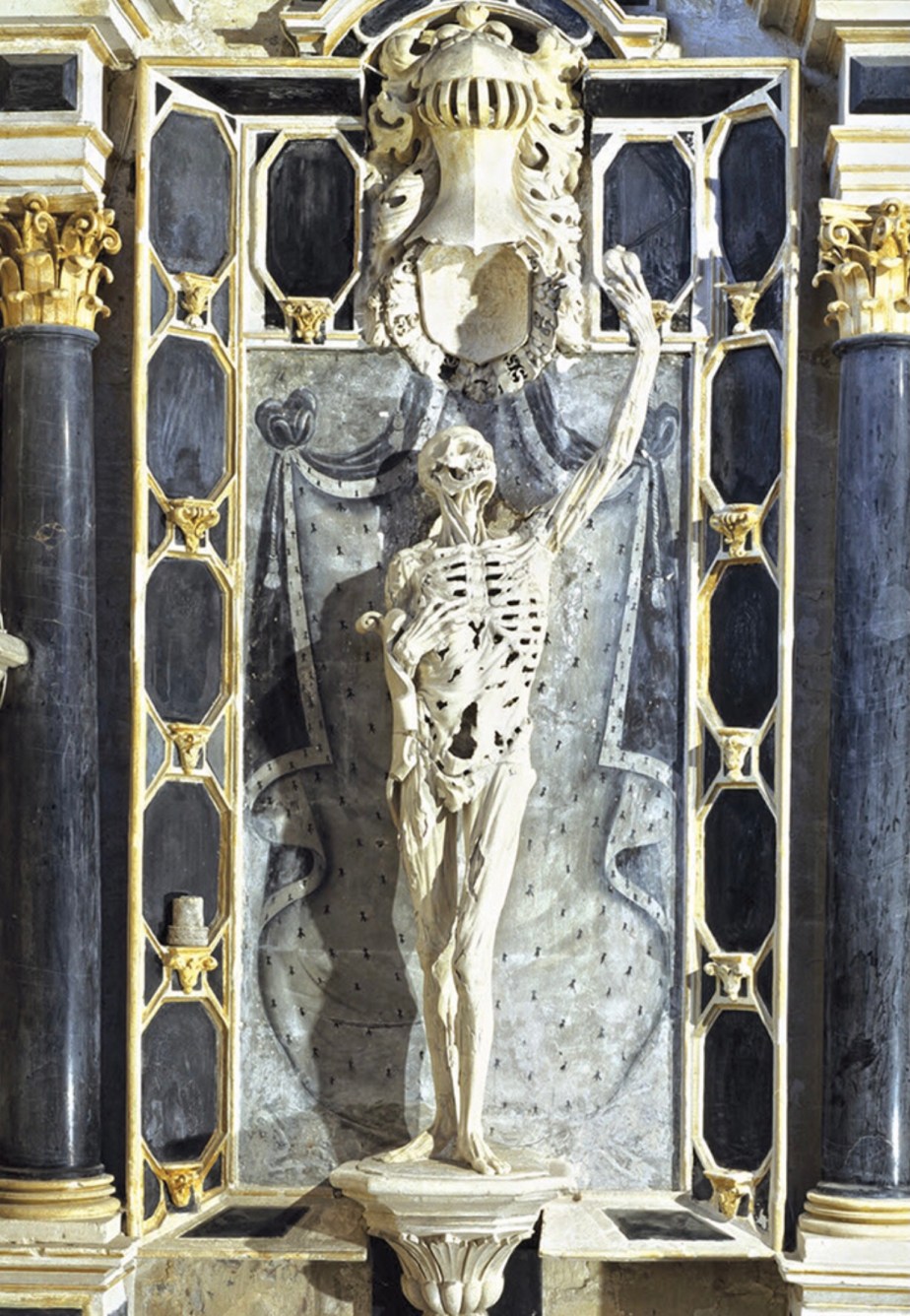
Saint-Étienne church, in the city of Bar-le-Duc, is home to a statue of a rotting corpse. Visible musculature and skin hang in flaps over the hollow carcass. The exposed skull looks toward a raised left hand, which once held the dried heart of René de Chalon, the 16th-century prince the statue depicts. (The heart is believed to have gone missing sometime around the French Revolution.)
The life-size sculpture by Ligier Richier is part of the “transi” Renaissance art form—stone sculptures of rotting bodies that served as a reminder of temporary flesh and eternal afterlife.
The postmortem statue of René de Chalon once held the man’s own dried heart.
In a bowl cream together with an electric or hand beater the cream cheese, lemon zest, juice, sea salt and pepper to a whipped cream consistency. Fold in the capers, onion and chives.
Spread each slice of bread with a generous amount of the cream cheese mixture, distributing evenly, then the smoked salmon and rocket. Sandwich bread together, cut off the crusts and then cut into triangles.
Tip: I like to use dark rye for this recipe, but sourdough is a good alternative.
“The winter is so beautiful, and yet it can be so hard sometimes that it makes me cry happy-tears thinking about the summer. This winter has been extra hard. Crazy amounts of snow and extreme cold weather for over 3 weeks. It takes a lot of energy to keep up the normal life. But it also gives a lot of energy with all the beauty that the winter brings. It’s a love-hate relationship.
In this video I share glimpses of what I’ve been up to for the past month. Both the struggles, but also all the beautiful moments. I also share some behind the scenes of my previous video, when I went on a road trip to the very North of Sweden to record some footage.”
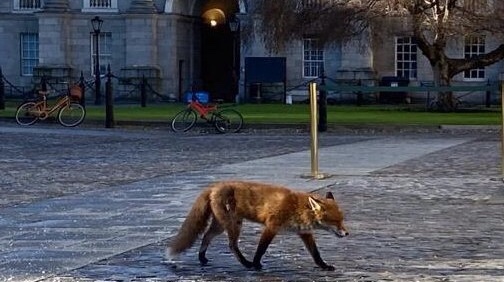
Sam, the fox living on the grounds of Trinity College in Dublin, and who was seen wandering the streets of Dublin during the first lockdown, has found love and is pregnant.
Last year the health of the vixen was of concern as she appeared emaciated. With all restaurants and bars closed and the city centre all but deserted during the first lockdown she was deprived of scraps. She also developed mange on her tail.
In response, staff at Trinity College Dublin left out meat infused with an antibiotic for her and she has not looked back.
The latest development involving Sam the fox happened last month, when she was in heat.
She attracted two suitors, who have been named Prince and Scar by college staff, who fought for her affections.
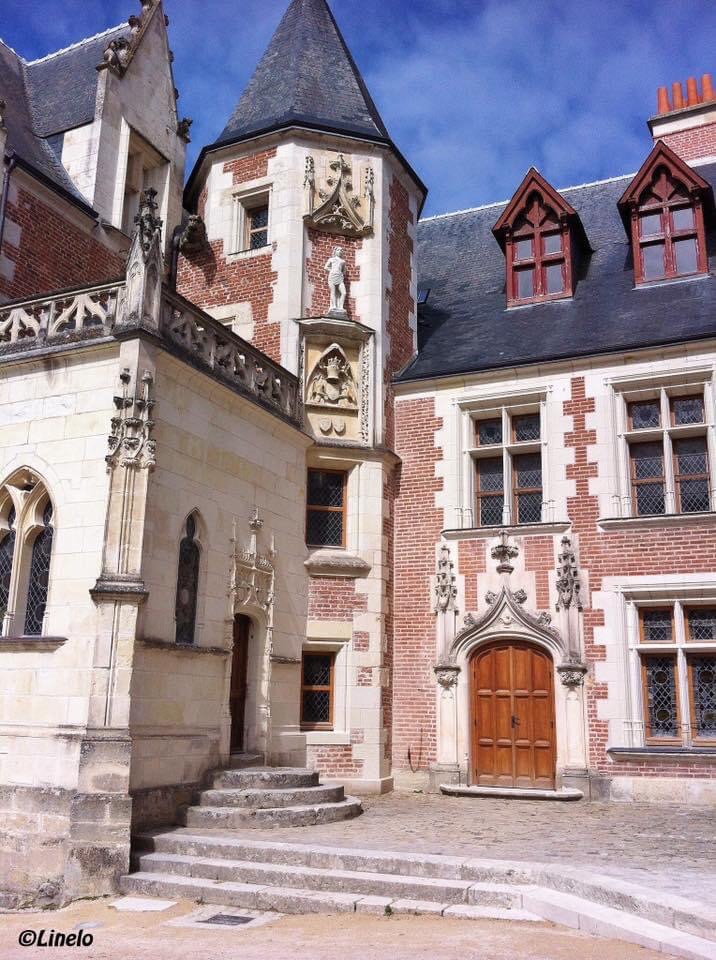
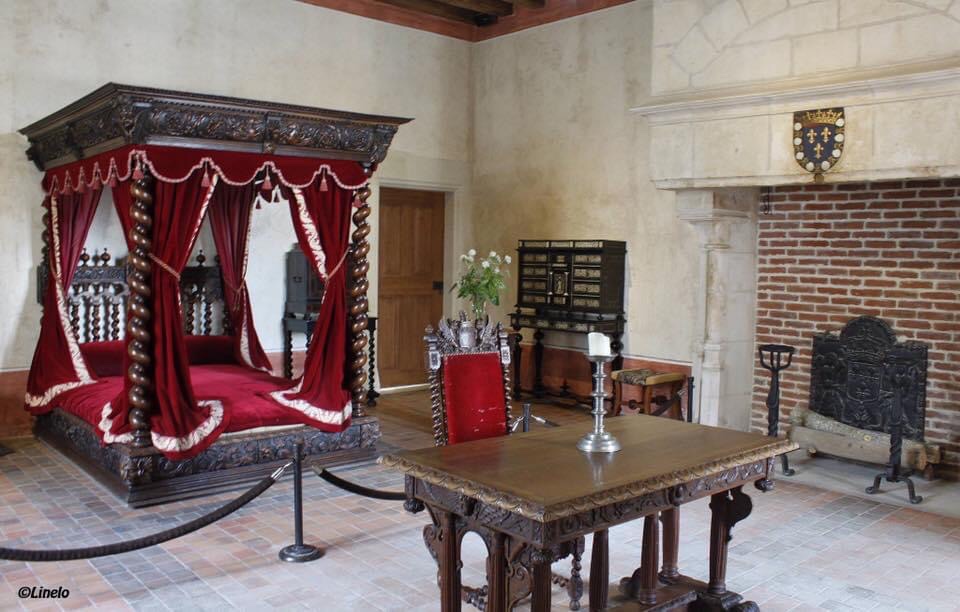
The Château du Clos Lucé is a small château in the city of Amboise, France. The place is famous for being the official residence of Leonardo da Vinci between 1516 and 1519, where Leonardo die.
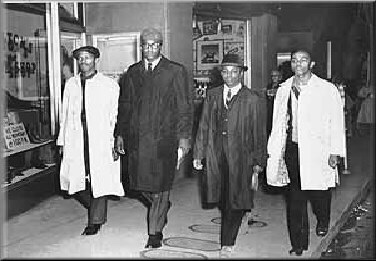
Today in 1960 – Four black students stage the first of the Greensboro sit-ins at a lunch counter in Greensboro, North Carolina.
Here are the four brave students at North Carolina Agricultural and Technical College who, adopting the now-obsolete nonviolent tactics of Gandhi, sat quietly at the white part of the lunch counter while they were reviled. There were no arrests, and students kept coming every day, swelling the seated and then spreading to other segregated facilities. Four years later, the Civil Rights Act declared such segregation illegal.
Most of our knowledge of Viking Age jewelry comes graves and hoards. Because accompanied burials ceased after the conversion to Christianity, we know more about earlier Viking Period jewelry than we do of the later Viking era.
Viking age jewelry tends to be dated according to the art style that is used for decoration.
Jewelry was worn by both men and women. It was a means of fastening cloaks, belts and dresses, And it was an adornment and a means of displaying visible wealth, even as a means of carrying wealth. It could be used as a means of exchange, and as a means of cementing an alliance.
Gold was used for the most prestigious jewelry, but gold was relatively scare in Scandinavia, so most jewelry was made of silver or gilded bronze. Gold and silver items would have been individually made, but bronze jewelry would have been mass produced, using clay moulds from a single master prototype.
In addition to brooches and buckles, silver neck and arm rings were common items of jewelry. Many were made from melted down silver Arabic coins, and were made to standard weights so that their value was easily assessed.
”Silver arm-rings were by far the commonest products of the Hiberno-Viking tradition…Over one hundred are known from silver hoards in Ireland, where they were sometimes cut into fragments which could later melted down and recycled. Several different types have been identified, the most important in terms of sheer numbers being the broad-band type. Like the neck-rings, they seem to have been manufactured for the storage and circulation of silver, and their target weight of 26.15 grams (0.92 ounces) is very close to the most important weight unit of the lead scale-weights from tenth-century Dublin. Their purity was obviously a matter of concern, because they sometimes display small nicks and pecks.”
Source: Netherton, R. and Owen Crocker, G. R. (eds) (2006), “Medieval Clothing and Textiles vol 2″
Swedish pearl sugar (optional, but so good – available at King Arthur Flour or Sur La Table) for sprinkling
On a small plate, grind the saffron with the back of a spoon until it is powdered. If you have a mortar and pestle, that will work wonderfully.
In a small saucepan over medium-low heat, heat the milk until just beginning to simmer. Remove the pan from the heat, add the saffron, and stir. Allow the mixture to cool to the temperature of a warm bath. When the milk is warm but not hot, add the yeast and a pinch of the sugar. Allow the mixture to sit until it is bubbling and has grown in volume, about 5 minutes
While the yeast mixture is proofing, in a large bowl with a wooden spoon or in the bowl of a stand mixer fitted with the dough hook attachment, combine the sugar, flour, sour cream, and salt.
Add the yeast mixture, and knead until the dough is nice and smooth, and pulls away from the sides of the bowl.
Add the butter, 1 tablespoon at a time, and continue kneading the dough until it again pulls away from the sides of the bowl. It might seem like this is never going to happen, but all of a sudden, you’ll have a nice, smooth ball of dough.
Put the dough in a lightly oiled bowl, cover with plastic wrap, and allow it to rise until doubled in size.
Punch down the risen dough, knead it briefly on a lightly floured counter, and divide the dough into eighteen equal portions.
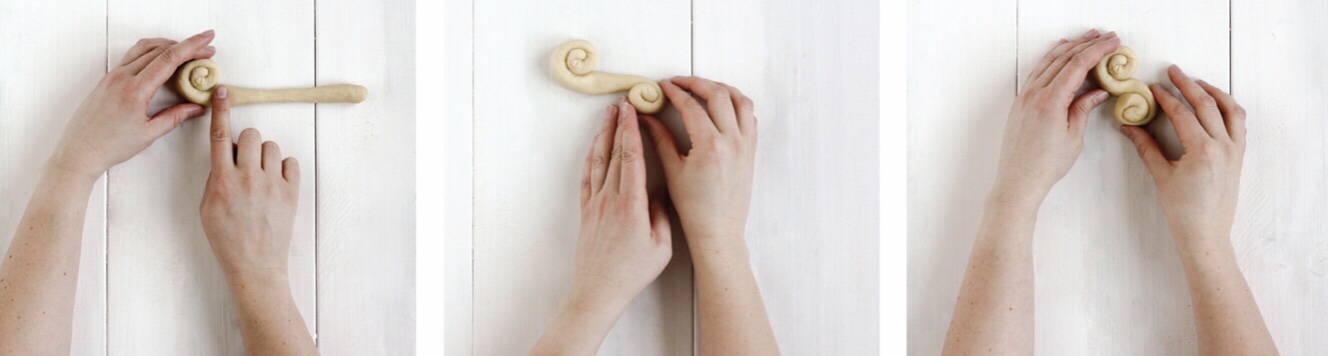
Roll each piece of dough into a long, skinny strip, about 12 inches long. Roll the left end of the dough up and clockwise until it reaches the middle, then roll the right end down and clockwise until it reaches the middle. Your dough should now look like a very tightly rolled S.
Place the Ss on a parchment-lined baking sheet, cover with plastic wrap, and allow them to rise for 30 minutes.
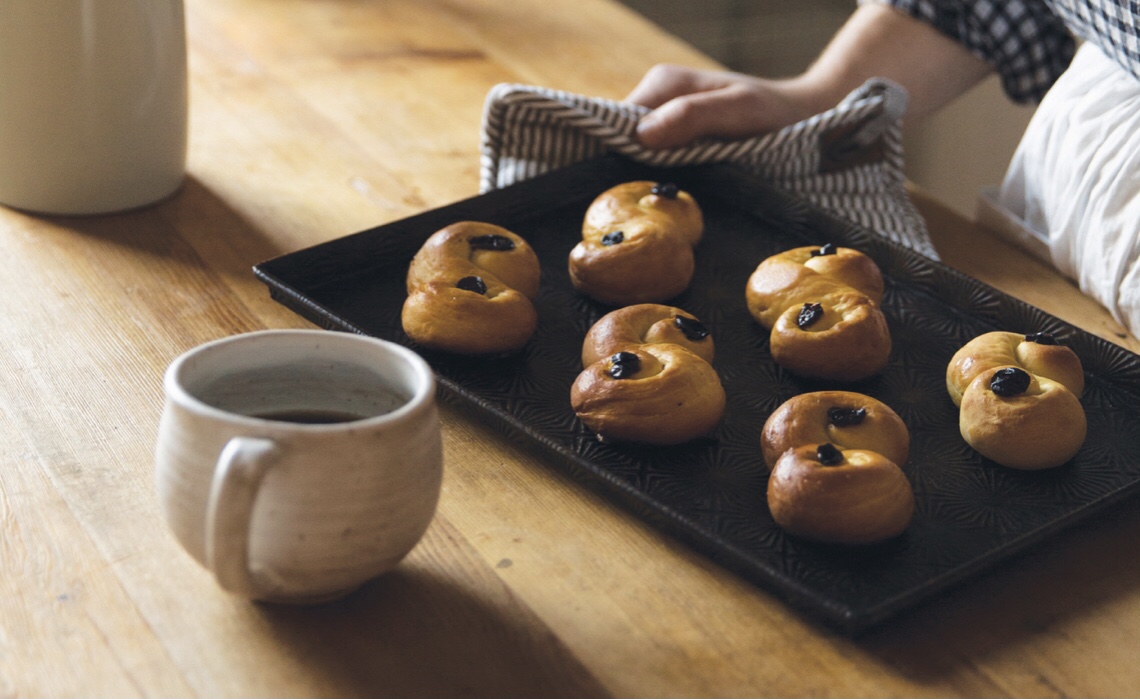
Preheat the oven to 400 degrees F. While the buns are rising, in a small bowl, whisk together the egg and water. Just before baking, lightly brush the tops and sides of each lucia bun with the egg wash, place a cranberry at the center of each swirl, and sprinkle the tops with pearl sugar.
Bake the lucia buns for 8 minutes, or until they are puffed and golden. Remove the baking sheet from the oven and allow the buns to cool. Store leftovers in an airtight container.
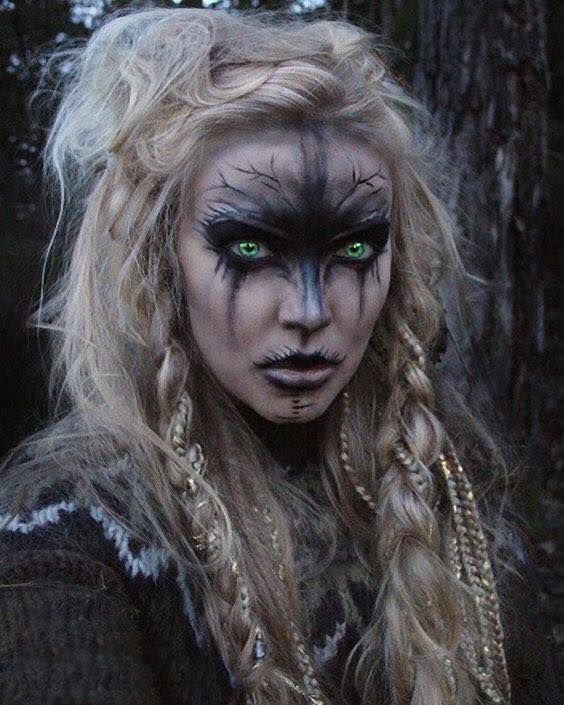
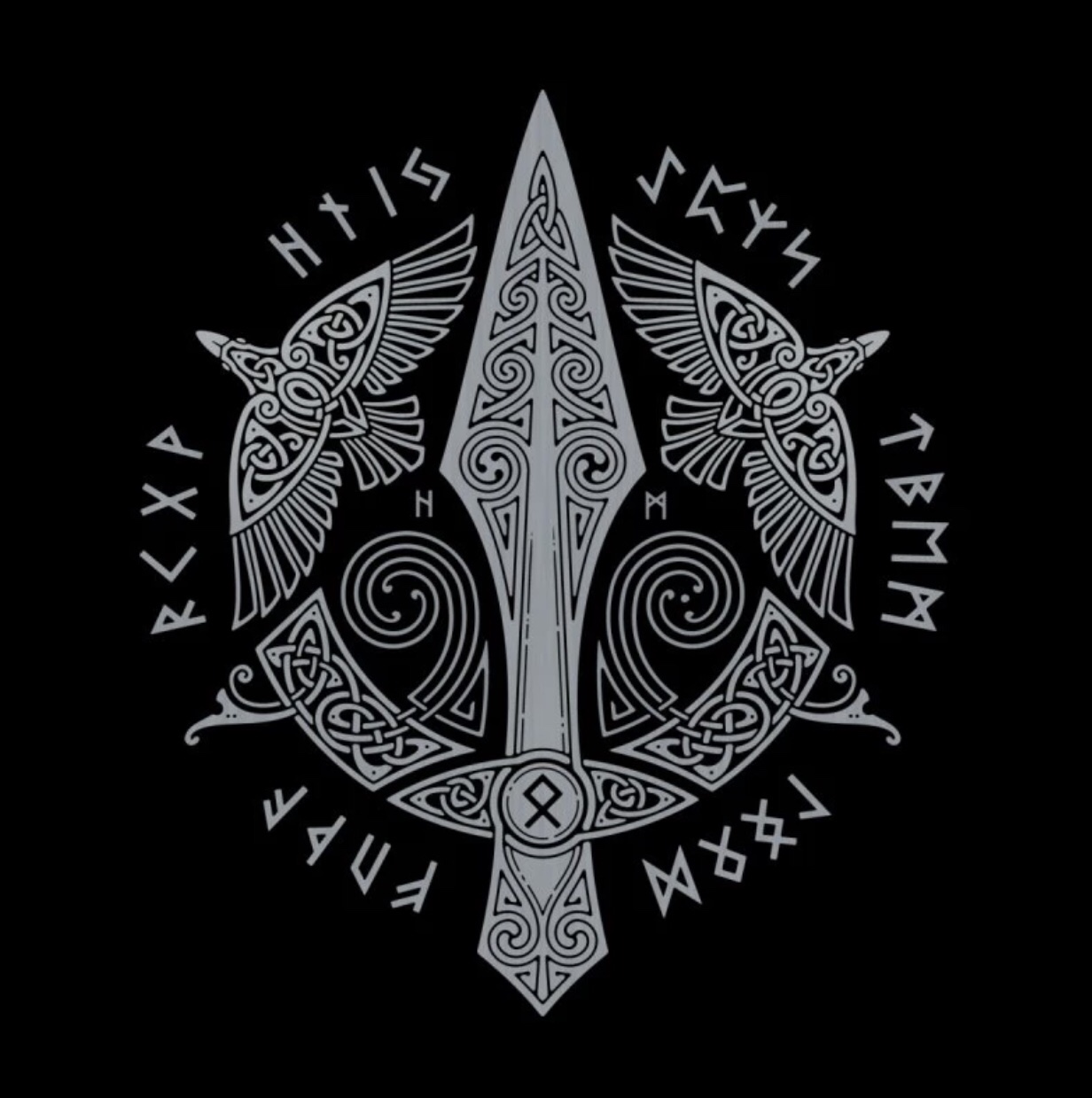
Belief in witches stretches across almost all cultures in history, and the Vikings definitely did not invent them. Vikings believed in magic and never took it lightly. There are about 40 different words for magic and magic users in their language of Old Norse, showing the range of understanding and the importance they placed on it. Freyja, the most venerated of the Norse goddesses, was a goddess of magic and taught her arcane arts to Odin. Freyja is sometimes called a witch in the Eddic poems and was much maligned for this by later Christians. Freyja traveled in a chariot drawn by black or gray cats. These quiet, intelligent, ruthless creatures are her familiars or messenger spirits. A Viking who looked up to see a raven might see it as an omen from Odin, just as he might see a black cat as a sign that Freyja was watching.
Witches, sorcerers, and wizards were taken seriously and respected in the Viking world. This is further attested by the many Viking Age graves archaeologists have discovered that have grave goods (valuables deliberately interred with the body) associated with magic users. One tell-tale sign of a witch’s grave is an iron staff. It is thought that these iron staffs were used by Völva sorceresses in certain magic rituals, held between the thighs as the witch entered a shamanistic trance. At such times, it was thought that the witch’s layers of inner self left their outer body (what occultists now refer to as astral projection).
One passage referring to this is in the Havamal:
I know a tenth spell If I see witches at play in the air I can cast this spell So that they get lost So they can’t find their skins So they can’t find their minds
If the Viking Age, witches used their iron rod as a means of traveling across levels of consciousness, it is easy to see how later Medieval Christians would say that witches “flew through the air riding on brooms.”
So, the pagan Vikings respected (and feared) witches and often turned to them for help, but when the Vikings gradually became more Christian, witches were targeted as public enemies by the Church. Witchcraft never wholly died out, though. In Iceland, in particular, witchcraft survived in a well-documented line from early Viking times until the present – though it certainly changed and took on elements and influences from other cultures.
It is not just the Medieval Christian that shifted the perspective of the witch from medicine woman and soothsayer to evil, hexing hag, though. Viking lore is replete with frightening or “wicked” witches. There are at least three Eddic poems in which the speaker is a dead witch awoken by Odin or Freyja’s necromancy, and forced to lend her wisdom to the gods though she is full of spite for them. The worst of the evil witches were sometimes referred to as “Troll Wives” and were Jötnar rather than human. Like many fearsome beings in Norse lore, Troll Wives are seldom described in detail. However, the impression given fits the Halloween image of a lank-haired, green-skinned disfigured distortion of the elderly.
But it is clear that there is a broad range of witches. Only some of them could really be classified as good or evil – which is typical of the moral complexity and honesty that has made Norse lore so poignant and enduring.
Viking in Old Norse is víkingr. The ‘r’ on the end is essentially a grammatical feature of Old Norse for denoting a masculine noun. It is often dropped in English transliteration (for example, people may write the name of the god Freyr as Frey). In Old Norse, víkingr was someone who was a seaborne raider/adventurer.
Noun or Verb
Víkingr and plural forms of the word, such as víkingum or víkingar, appear as nouns describing Scandinavian seaborne raiders in the sagas, Eddic poetry, and runestones.
We see literally carved in stone the term “Viking” being used as a noun and to denote people. From the context, it does not seem that “Viking” referred to everybody, though, but to some type of traveling warrior.
Viking’ also used as a Verb in Old Norse
Viking could also be a verb in Old Norse. This verb meant the act of seaborne raiding or adventuring. So, a víkingr would víking, or in other words, a seaborne raider would raid by sea. In many historical fiction books, this is rendered “to go viking.”
There is no evidence to suggest that the verb was more prevalent than the noun or adjective. However, it is fair to say that Vikings used the terms víkingr and víking differently than we use these terms.
What Vikings Called Themselves, and What Other People Called Them
It is essential to remember that in our ancestors’ times many of the current cultural values did not exist. ideals, concepts, and information we now take for granted had not developed yet. Today, one of the strongest ways people identify is by their nationality – we are Americans, Norwegians, etc. While many of Europe’s nations began to form and organize in the Viking Age, national identity was then only in its embryonic stages.
As the Viking Age dawned, the Nordic peoples of Scandinavia shared a common language, culture, and faith. However, they did not share a strong sense of common identity, as evidenced by their constant wars, raiding, and competition – even within the geographical boundaries of their homeland. They were divided into numerous tribes or clans.
Their societies were arranged in small units united by kinship and their allegiance was to local chieftain. The first “King of All Norway,” Harald Fairhair, did not consolidate power until a century into the Viking Age, and the political boundaries of Denmark, Norway, and Sweden would not solidify for several centuries after that.
So, while Vikings used the term víkingr for a seaborne adventurer, early medieval Scandinavian peoples had no overarching name for themselves. They did not think that way. Instead, they identified themselves by family, clan, and tribal loyalties. During the Viking Age, these intimate groups formed larger and larger networks and affected greater and greater changes far from home.
Vikings might not have had a common term for themselves, but their enemies had many. The English and the French tended to call them all Danes. Archeology is abundantly clear, though, that the “Great Heathen Army,” the “Army of the Seine,” and these other large forces were not just Danes but mixed companies from locations wherever Vikings roamed.
English monks, writing in Latin, also adopted the word, Wiccinga/Wiccingi (the Old English form of ‘viking’ in Latinized singular and plural forms). This capitalization in the manuscripts strongly suggests the Vikings were known by that name, and that it is not just a generic descriptor.
There were other names in other places. In Ireland, the Vikings were called “the Foreigners.” In the east – Russia, Ukraine, Belarus, the Byzantine Empire, Bulgaria, and the Mediterranean – Vikings were called Varangians (“sworn companions”) and Rus’. To the Moors of Spain and the Arabs around the Caspian, they were called Majūs.










 Mark Bere Peterson’s Counterculture, Urban Legends, Paganism & Witchcraft