Colcannon

Colcannon is an Irish dish of boiled potatoes and cabbage or kale mashed together and flavored with onion, shallots, or leeks and cream or butter. Colcannon is strongly associated with Samhain, in which it was used for various forms of divination.

Linguistic evidence suggests that cabbages were known to the Iron Age Celts. The Romans believed cabbages to have several medicinal qualities. While cabbage was a food of the working classes in Medieval Europe, the other principal ingredient of colcannon, potatoes, were a New World food that arrived in the sixteenth century.

The word “colcannon” comes from the Gaelic “cal ceannann” (‘white headed cabbage’). Some hold that the ‘cannon’ part of the name might be derived from the old Irish ‘cainnenn’ (‘garlic, onion, or leek’, depending on the translation). This suggests that early forms of colcannon were simple mixtures of brassica and allium. The earliest Irish reference to colcannon is found in the Diary of Wiliam Bulkely, of Bryndda, near Amlwch in Anglesey, in 1735. Colcannon appeared in England in 1774. In England, colcannon became a favorite of the upper classes.

1 lb shredded white cabbage

1 lb potatoes peeled and quartered

2 leeks finely chopped (white part only)

1/4 cup milk

Salt and pepper to taste

pinch of ground nutmeg

3 tablespoons butter

Boil the cabbage in water until cooked; drain and keep warm. Place the potatoes and leeks together in a pot of water and boil until tender, about 15 to 20 min. Drain the potatoes and leeks and mash in a large pot with the milk and butter. Stir in the cabbage. Add nutmeg, salt and pepper.

The Arctic Henge (Raufarhöfn, Iceland)

The Arctic Henge (Raufarhöfn, Iceland)

Located in one of Iceland’s most remote northern villages, the Arctic Henge is a colossal piece of stone construction that, when finished, will make Stonehenge look like amateur hour.

Started in 1996, the Arctic Henge project is a monument not only to the country’s nordic roots, but also to some of the neo-pagan beliefs that have arisen in certain areas. The piece was inspired directly from the eddic poem Völuspá (Prophecy of the Seeress), taking from it the concept of 72 dwarves who represent the seasons in the world of the poem, among other symbolic queues. In the Arctic Henge, 72 small blocks, each inscribed with a specific dwarven name will eventually circle four larger stone monuments, which in turn will surround a central balanced column of massive basalt blocks. Each aspect of the deliberate layout corresponds to some aspect of ancient Norse belief and when each piece of the monument is installed, visitors will be able to “capture the midnight sun” by viewing it through the various formations at different vantage points depending on the season.

At current, only the imposing central tri-column and one of the four larger gates have been constructed, along with a smattering of the smaller stones, but it is still a work in progress. When it is complete, the Arctic Henge could easily become the premiere site for Paganism in the entire world and millennia from now it might seem as mysterious as Stonehenge seems to us today.

Source: Atlas Obscura

Herbs And Planets

This list is taken from the 16th century herbalist Nicholas Culpepper’s, “Compleat Herbal,” held in esteem by a number of alchemists old and modern.

SUN: angelica, bay, chamomile, celandine, eyebright, juniper, marigold, rosemary, rue, saffron, St. John’s wort, sundew, walnut

MOON: chickweed, cleavers, watercress, cucumber, lettuce, water-lily, moonwort, wallflower, willow

MERCURY: wild carrot, caraway, dill, hazelnut, horehound, lavender, lily, licorice, marjoram, oats, parsley, parsnip, savory, honeysuckle, valerian

VENUS: burdock, columbine, coltsfoot, daisy, eringo, featherfew, figwort, goldenrod, marshmallow, mint, mother-wort, mugwort, catnip, pennyroyal, plantain, periwinkle, poppy, purslane, primrose, strawberry, yarrow

MARS: all-heal, barberry, basil, garlic, gentian, hawthorn, hops, nettle, onion, radish, rhubarb, tobacco, wormwood

JUPITER: Melissa, bilberry, borage, chervil, cinquefoil, dandelion, dock, endive, hyssop, house-leek, melilot, oak, roses

SATURN: amaranths, barley, corn, beet, comfrey, dodder, elm, fumitory, horsetail, holly, ivy, mullein, nightshade, shepherd’s-purse, blackthorn, wood, wintergreen, yew

Arnica (Arnica montana)

Diagnosis:

Bruises do not break the skin as wounds do, but they do damage underlying tissues. Bruising causes pain and swelling, and the affected area turns purple after a while. Bruises are not a big deal as long as the blow that causes them is not too violent. While traveling, especially with younger children, always expect there to be bumps or painful bruises. It is in these cases when you should use arnica, whose active ingredients provide instant relief.

Dosage:

For external use, arnica is recommended when there is local inflammation brought on by a concussion. It works by lessening the bruises and blood clots that accumulate under the skin. It should be applied to the injured area as soon as possible, in diluted doses for people with sensitive skin, as it can be irritating and cause allergic reactions. It should never be applied to open wounds. If used for a prolonged period, it can cause swelling and sores on the skin.

Arnica is available as a powder, tincture, and oil, which are used to prepare ointments, plasters, or creams, and then applied to the affected area three times a day. It can also be found in liquid extract and as dry and crushed plant ready for making infusions.

Other Uses:

Besides being an effective treatment for shock, arnica alleviates muscle tears and frostbite, as well as inflammations caused by rheumatism. It is recommended for external use only.

Sources: Medicinal Plants at Home

Nerve Soothing Tea

This tea is a general circulatory and heart tonic. It is soothing to the nerves and is particularly good for stressed-out people.

1 part dried hawthorn berries

1 part dried mixed hawthorn flowers and leaves

1 part dried linden blossoms

1 part dried motherwort

1 part dried mixed yarrow flowers and leaves

Gently crush the hawthorn berries using a pestle and mortar to break them up slightly. Mix with all the other dried herbs in a bowl, then transfer to an airtight container.

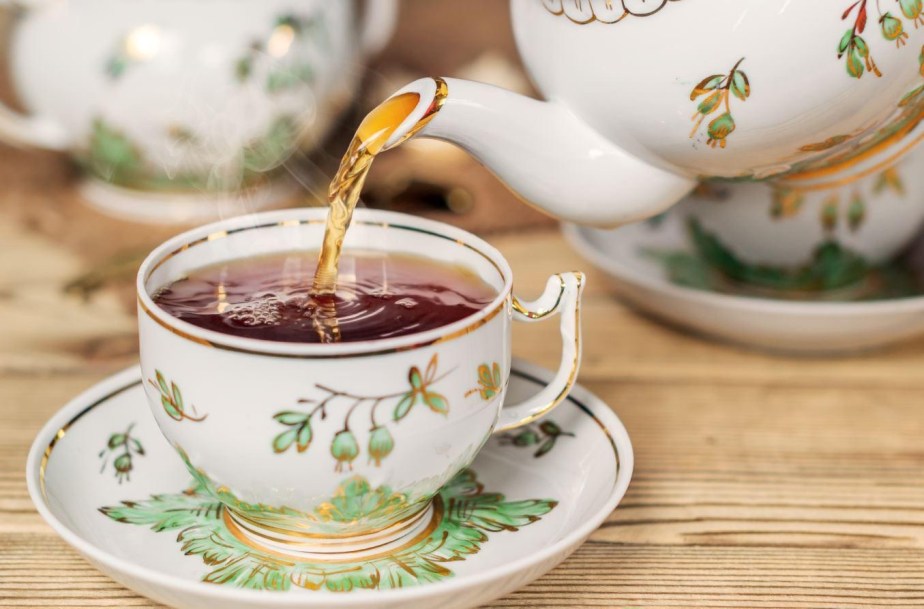
To use, add 1–2 teaspoons of the dried herb mixture per cup (250ml) of boiling water in a mug or teapot. Cover and leave to infuse for 15 minutes. Strain to serve. Alternatively, use an infuser to make the tea.

Take one cup of the tea, up to three times a day.

Shelf Life: Keep the dried herb mix in a cool, dark place for up to 1 year.

Peaceful Dream Tea

This tea promotes relaxation and sleep. Anyone can easily grow each of these herbs in the backyard, and since the herbs are gentle and effective for quieting a busy mind, releasing muscle tension, and promoting general relaxation your body naturally feels tired and falls asleep.

1.25 parts chamomile

1 part catnip

1 part skullcap

1 part mint

0.375 part licorice root

0.25 part hops

Steeping:

Hot Infusion: Pour 1 ½ cups hot water over 2 tablespoons tea. Steep for 10 to 15 minutes.

Cold Infusion: Combine 2 cups cold water and 1 to 2 tablespoons tea in a lidded jar. Shake the jar to make sure all the tea is saturated. Place in the refrigerator or a cool place for at least 2 hours.