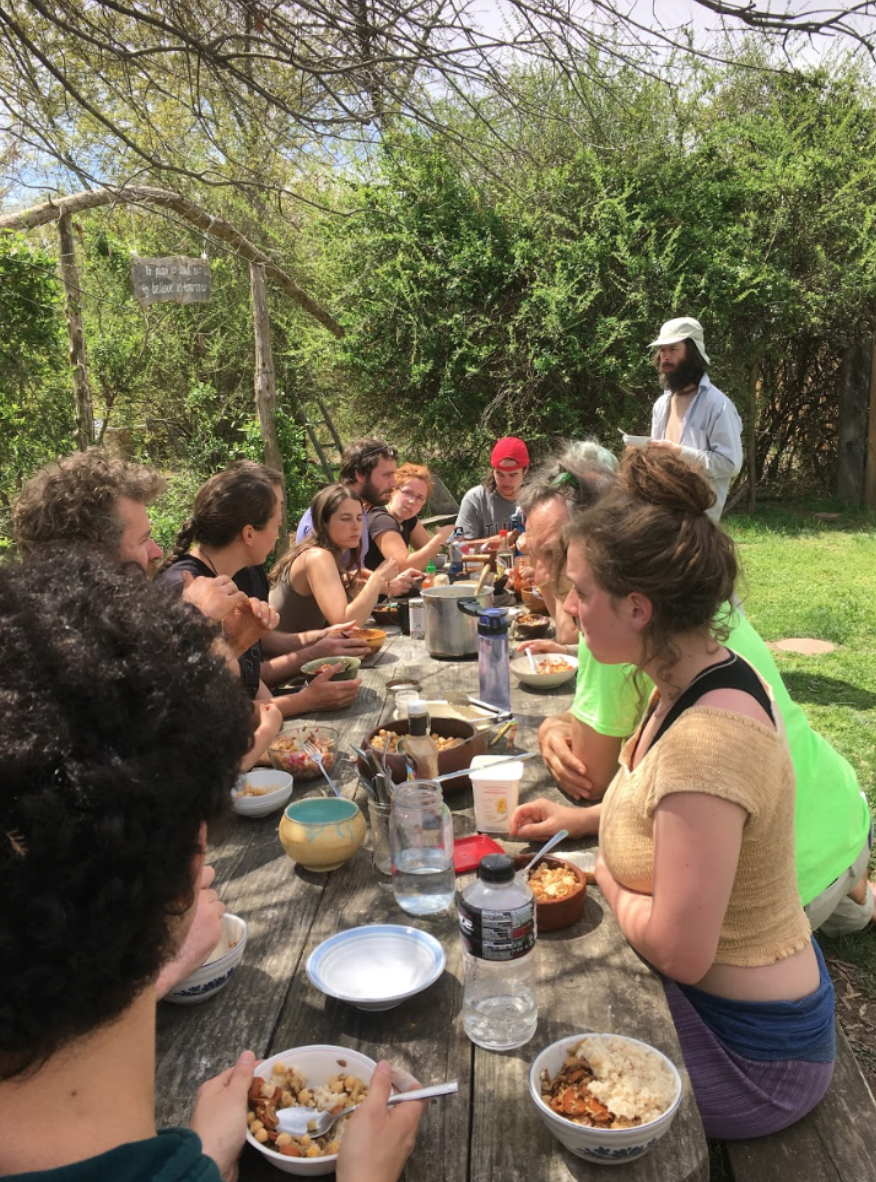
Cambia – Louisa, Virginia

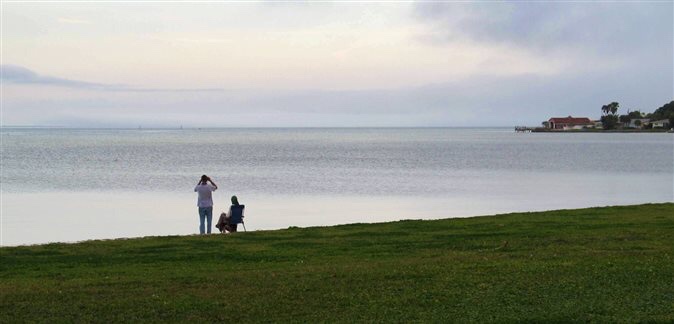
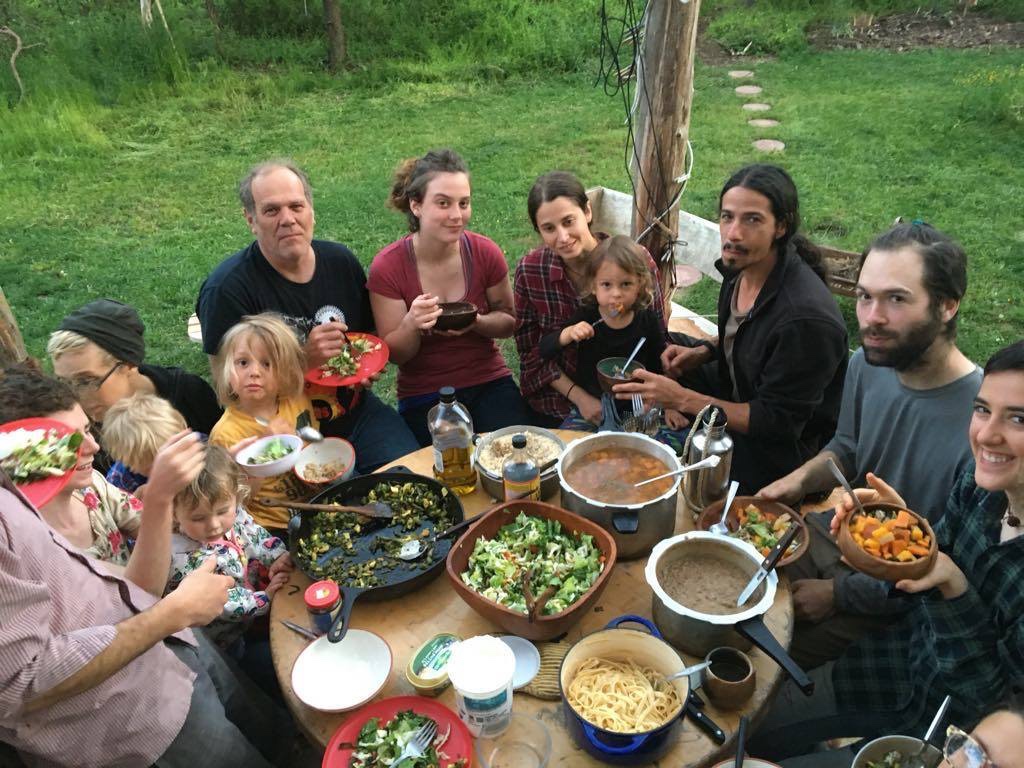
We are forming an egalitarian and income-sharing community. We are co-creating a culture of social sustainability and harmony that nourishes us as well as the earth.

“whatever makes a house into a home
makes a game into play
and makes culture come to life.
but home, play and culture,
strain to grow without a structure.”

Established: 2015

Shared Income: All or Close to All

Mission Statement: We aspire for a small and stable community with a high level of sharing and connection. We are inspired by the nature around us as we attempt to create human habitat that emulates the beauty and complexity of living systems. We seek to intertwine reason and intuition, aesthetics and efficiency. We are interested in increasing our skills and education through experience, mentorship, sharing and study, and growing as individuals. Within a thriving cluster of neighboring income sharing communities, we are creating a viable, regenerative alternative to the mainstream. We intend to strengthen the relationships between existing communities.

Community Description: We are forming an egalitarian and income sharing community. We are co-creating a culture of social sustainability and harmony that nourishes us as well as the earth. We focus on re-humanizing the scale of our lives. We do that with slower pace, balance in our lives, deep social connection, natural building, education, creativity, and intuitive structure to our time and space. While we are focused on interpersonal and cultural aspects of our community, we are interested in building small, beautiful, natural housing, doing our best to be ecologically conscious, using new and old technologies, and upholding values of minimalism. We want to continually learn about what works in community and do our best to integrate our lessons into our lifestyle. We are planning educational programs in subjects including experiential natural building workshops, off grid technologies, crafts, and nature awareness. We are working on understanding what makes communities thrive through sociological research.

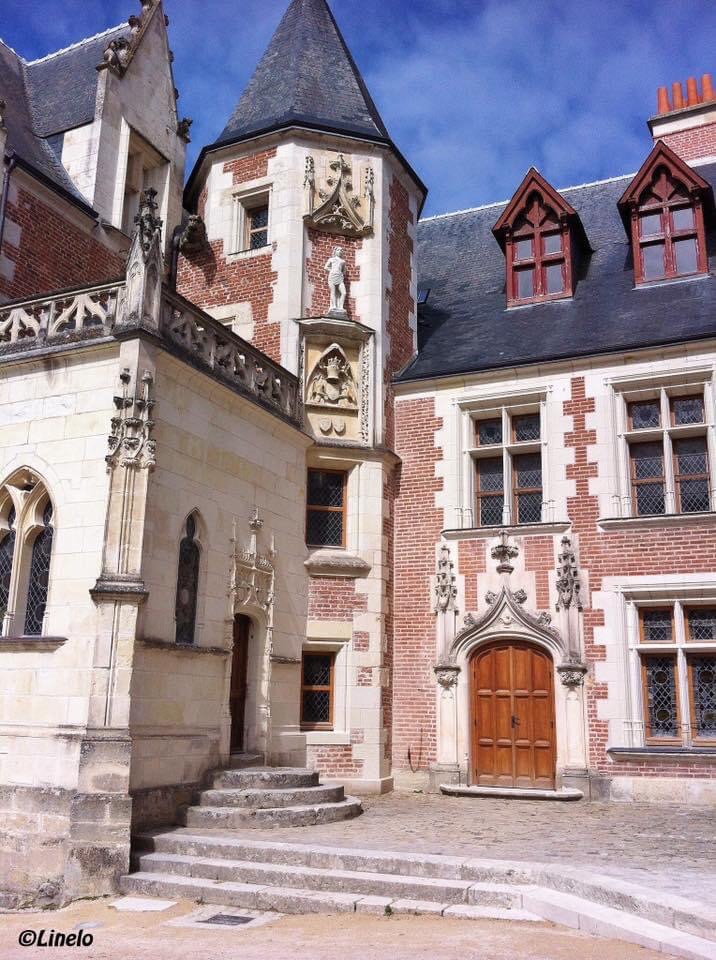
Setting: Cambia is nestled within 15 acres, with about 5 of which is mostly a thicket of young scrubby vegetation and about 10 acres of mature (80 year old or so) forest. we have a small old house (over 100 years old) that we are restoring and currently using as our common house, it has our kitchen and living room and two bedrooms.

Personal dwellings are small and modest. We have a garden shed that’s converted to a duplex, a cozy sailboat with a deck, a fantastic vintage air stream trailer that’s completely remodeled inside, and a building that we built which we call “the barn” (due to lack of better names) which has a workshop, guest space, residence, and a sacred space for gathering and meditation.

Daily Schedule

7:30: Optional meditation, morning quiet time, breakfast.
9am: Coordination meeting 
9:15: Priority Projects at Cambia and income work
1pm: Lunch
2pm: Personal and greater awesomeness projects
6:30pm: Dinner
8:30pm: Shared evening activities (3 or 4 days/week including writing group, cuddle puddles, listening to audiobooks, heart circle ceremony, singing)

Saturdays are our day off.

Faith:

  • Buddhist
  • Jewish
  • Paganism or Earth Religions
  • Atheist

Bayboro Community -St. Petersburg, Florida

“Faith expressly signifies the deep, strong, blessed restlessness that drives the believer forward so that he cannot settle down… A believer cannot sit still as one sits with a pilgrim’s staff in one’s hand. A believer travels forward.”

~ Soren Kierkegaard

  • Status: Established
  • Started Planning:2006
  • Started Living Together: 2006
  • Visitors Accepted:Yes
  • Open to New Members: Yes
  • Shared Income: All or Close to All

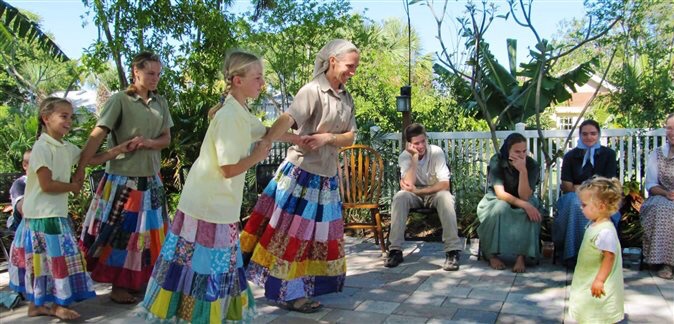
About: We are a small, relatively new community – a mix of families with small children, singles, and college students – in an urban coastal neighborhood on Tampa Bay. We founded this location at a time when we were seeking different expressions of communal living, and being in the South and on the coast is a new experience for us. The students living with us attend various area schools, including the University of South Florida, St. Petersburg; St. Petersburg College; and Pinellas Technical College.

Bayboro House, the first Bruderhof in Florida, is right on Tampa Bay in St. Petersburg. Founded in 2006, Bayboro is home to about twenty-five people, including university students, families, and children.

Setting: We have a large waterfront house that serves as our main accommodation and gathering space. Built in 1905, it features deep porches where we can sit and look at the bay. The lot, which is flat and has beautiful tropical landscaping, has six other smaller buildings. Though our house is on the coast, we are very much a part of our wider urban community.

Connecting with Neighbors: Friends and neighbors often drop by for visits throughout the week. Each month we help sponsor a meeting for many of the families in our area to discuss neighborhood issues. We reach out to the diverse faith communities here and have lively discussions about faith and how to put it into practice.

Point of Interest: We get to see a beautiful sunrise every morning, and we enjoy nearly 365 days of sunshine a year. You’ll often find us boating or kayaking on the bay, and we like to catch our own fish and seafood to eat.

Faith: Christian. We practice adult baptism. We are also pacifists and conscientious objectors. While we love our countries and countrymen, our faith transcends political and nationalistic affiliations.

Website: https://www.bruderhof.com/en/where-we-are/united-states/bayboro

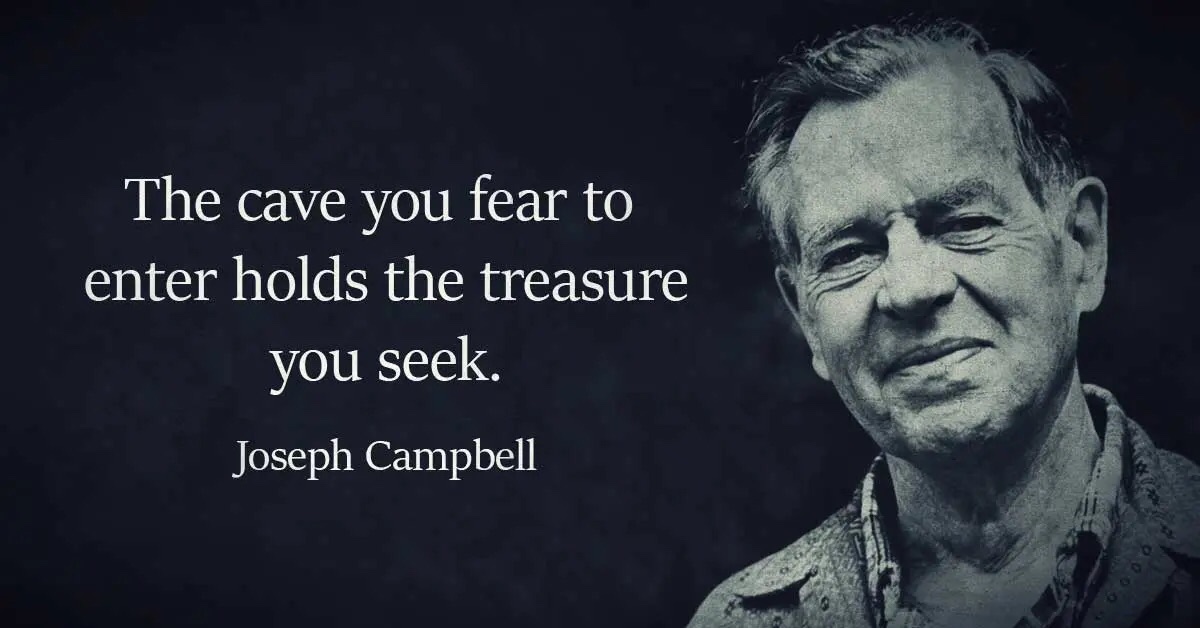
Joseph Campbell from “The Power of Myth”

“When a judge walks into the room, and everybody stands up, you’re not standing up to that guy, you’re standing up to the robe that he’s wearing and the role that he’s going to play. What makes him worthy of that role is his integrity, as a representative of the principles of that role, and not some group of prejudices of his own. So what you’re standing up to is a mythological character. I imagine some kings and queens are the most stupid, absurd, banal people you could run into, probably interested only in horses and women, you know. But you’re not responding to them as personalities, you’re responding to them in their mythological roles. When someone becomes a judge, or President of the United States, the man is no longer that man, he’s the representative of an eternal office; he has to sacrifice his personal desires and even life possibilities to the role that he now signifies.”

~ Joseph Campbell, “The Power of Myth”

Masters of War – Bob Dylan

Masters of War

Bob Dylan / 4:31

Musician: Bob Dylan: vocals, guitar

Recording Studio: Columbia Recording Studios / Studio A, New York: April 23, 1963

Bob Dylan wrote “Masters of War” during the winter of 1962–63, right after the Cuban missile crisis of October 1962. He sang “Masters of War” in public at Gerde’s Folk City for the first time on January 21, 1963, and published the lyrics soon after in February in Broadside (number 20) along with drawings by Suze Rotolo, two months before the official recording session with Columbia.

Ironically, when the readers of Broadside read the lyrics and when the public at large discovered it, the repercussions were considerable. Very rarely—perhaps never—had Americans ever heard such a bitter and determined condemnation of war.

For many people, this was a misunderstanding. “Masters of War” is not an ode to pacifism—even if students quickly turned it into a hymn against American involvement in Vietnam, but rather an aggressive attack on the warmongers, on those who have vested interests in seeing the world explode into conflict and, as the song says so eloquently, “hide behind desks.” The songwriter was alluding to the American military-industrial complex, which was first denounced by Dwight D. Eisenhower himself in his farewell address from the Oval Office on January 17, 1961. In an interview granted to USA Today on September 10, 2001, Dylan was explicit: “[‘Masters of War’] is not an antiwar song. It’s speaking against what Eisenhower was calling a military-industrial complex as he was making his exit from the presidency. That spirit was in the air, and I picked it up”

Come, you masters of war

You that build the big guns

You that build the death planes

You that build all the bombs


You that hide behind walls

You that hide behind desks

I just want you to know

I can see through your masks


You that never done nothin’

But build to destroy

You play with my world


Like it’s your little toy

You put a gun in my hand

And you hide from my eyes

And you turn and run farther


When the fast bullets fly

Like Judas of old

You lie and deceive

A world war can be won


You want me to believe

But I see through your eyes

And I see through your brain

Like I see through the water


That runs down my drain


You fasten all the triggers

For the others to fire


Then you sit back and watch

While the death count gets higher

You hide in your mansion

While the young peoples’ blood


Flows out of their bodies

And is buried in the mud


You’ve thrown the worst fear


That can ever be hurled

Fear to bring children

Into the world

For threatenin’ my baby


Unborn and unnamed

You ain’t worth the blood

That runs in your veins


How much do I know

To talk out of turn?

You might say that I’m young

You might say I’m unlearned


But there’s one thing I know

Though I’m younger than you

That even Jesus would never

Forgive what you do


Let me ask you one question

Is your money that good?

Will it buy you forgiveness?


Do you think that it could?

I think you will find

When your death takes its toll

All the money you made


Will never buy back your soul

And I hope that you die

And your death will come soon

I’ll follow your casket

On a pale afternoon

I’ll watch while you’re lowered

Down to your deathbed

And I’ll stand over your grave

‘Til I’m sure that you’re dead

Source: Bob Dylan: All The Songs

The Day the Music Died

Today in History —> It was this day in 1959 that became “the day the music died,” as rock musicians Buddy Holly, Ritchie Valens, and J. P. “The Big Bopper” Richardson were killed in a plane crash near Clear Lake, Iowa. Waylon Jennings was also on the tour, and it’s likely that he gave up his seat to The Big Bopper at the last moment. The crash is of course was immortalized in the song “American Pie” by Don McLean.

Above the wreckage of “the day the music died.”

#MusicHistory #DayTheMusicDied #AmericanPie

Drug and Drinking Cultures

Drug culture is a subculture of popular culture, it represents the principles, patterns, physicality, hierarchy and behavior within a group of individuals with substance use disorders. We see drug culture in various movies, television shows, music, etc. Drug culture has a hierarchy, dependent on your role in the community of drug users; you can be a drug synthesizer, supplier, dealer, and user. Drug culture is made up of socialization, values, rules, gender roles and relationships, symbols and images, dress, language and communication, and attitudes. In addition to drug cultures, there are also drinking cultures. Think college sororities and fraternities, where it is a part of their culture to drink in massive quantities, supports binge drinking, reinforces denial, develops rituals and customary behaviors around drinking (Center for Substance Abuse Treatment).

Many people turn to subcultures like drug and drinking cultures as a source of social support and cultural activities that make these people feel like they belong somewhere, or “fit in.” The danger of subcultures like these is the toleration and promotion of harmful activities like using drugs and alcohol to socialize. Socializing no longer becomes the objective, but using drugs and alcohol together becomes the objective— with socialization being an after effect. A lot of anti-social behavior is supported, which includes: opposition to authority, rule-breaking, defiance, and destructive acts, among other behaviors. Many further specified subcultures can stem from the broader drug or alcohol culture.

“The need for social acceptance is a major reason many young people begin to use drugs, as social acceptance can be found with less effort within the drug culture” (Center for Substance Abuse Treatment).

Drug culture also holds its own style of communication and language. Common phrases within drug culture include:

• “picking up”- meaning that you are getting more drugs

• “shoot it”- referring to using a drug intravenously

• “chasing the dragon”- trying to get to a certain level of high that is reminiscent of the first high

• “light up”- smoking a drug

• “rail it”- refers to snorting a drug

• “re-up”- getting more of a drug

• “dope sick”- meaning you are experiencing withdrawal symptoms

• “snap crackle pop”- reference to the drug crack

• “bundle”- a 10 bag supply of heroin

• “rig” or “works”- meaning a needle

• “nodding out”- refers to a state of going in and out of consciousness

Other phrases in drug culture are slang terms for different drugs, slang terms for the dollar amount of a drug, and other language. The communication style in drug culture is dependent on who you are talking to, it is common to be short and to-the-point when communicating with a dealer and more social with other friends within the same drug culture.

Sources: Royal Life Centers

Rebirth of American Communes

The United States has a storied history of communal living attempts, from George Ripley’s Brook Farm utopia in the 1840s to Vermont’s back-to-the-land experiments in the 1960s, many of which failed. Today, however, “intentional living” is being reborn. Last year, the health care provider Cigna concluded that loneliness had reached “epidemic levels,” and with the dream of homeownership increasingly out of reach, many young people have sought out new ways to live and work. Co-working spaces like WeWork are booming. Co-housing settlements—which were founded in Scandinavia in the 1970s—are also springing up. (The United States now has around 170 such communities.) All told, the number of ecovillages, co-housing settlements, residential land trusts, communes, and housing cooperatives listed in the Foundation for Intentional Community’s global directory nearly doubled between 2010 and 2016, from 679 to about 1,200.

The Wall Street Journal once called the Farm “the General Motors of American Communes.” Its founder, Stephen Gaskin, was a charismatic creative writing instructor from California who had, while tripping on LSD, developed a philosophy one of his followers described as “Beat Zen and Buddhist economics.” Gaskin believed that America should return to natural living; chemical contraception and abortion, he said, were “damaging to the fabric of society.” In 1971, he and 300 hippies set out from San Francisco in search of a place to form an agrarian commune and “get it on with the dirt.” They eventually settled in central Tennessee. At first, they lived in teepees, Army tents, and the school buses they had driven out from California, avoiding birth control, makeup, coffee, meat, alcohol, violence, and haircutting. Everyone took a formal vow of poverty and forfeited their possessions.

Those who have stayed believe they can develop a vision for the future that builds off the Farm’s founding ideas: sustainability, and the desire to live in peaceful cooperation. “We realize that there is no viable way to start a full commune within a capitalist society right now,” Beyer said. “What we can do is slowly leverage our way out of it.” The Farm’s millennials are eager to try something radical again, but they have learned from the past generation that working within the systems of the outside world can be as important as working to build their own inside.

Sources: The New Republic, Chris Moody

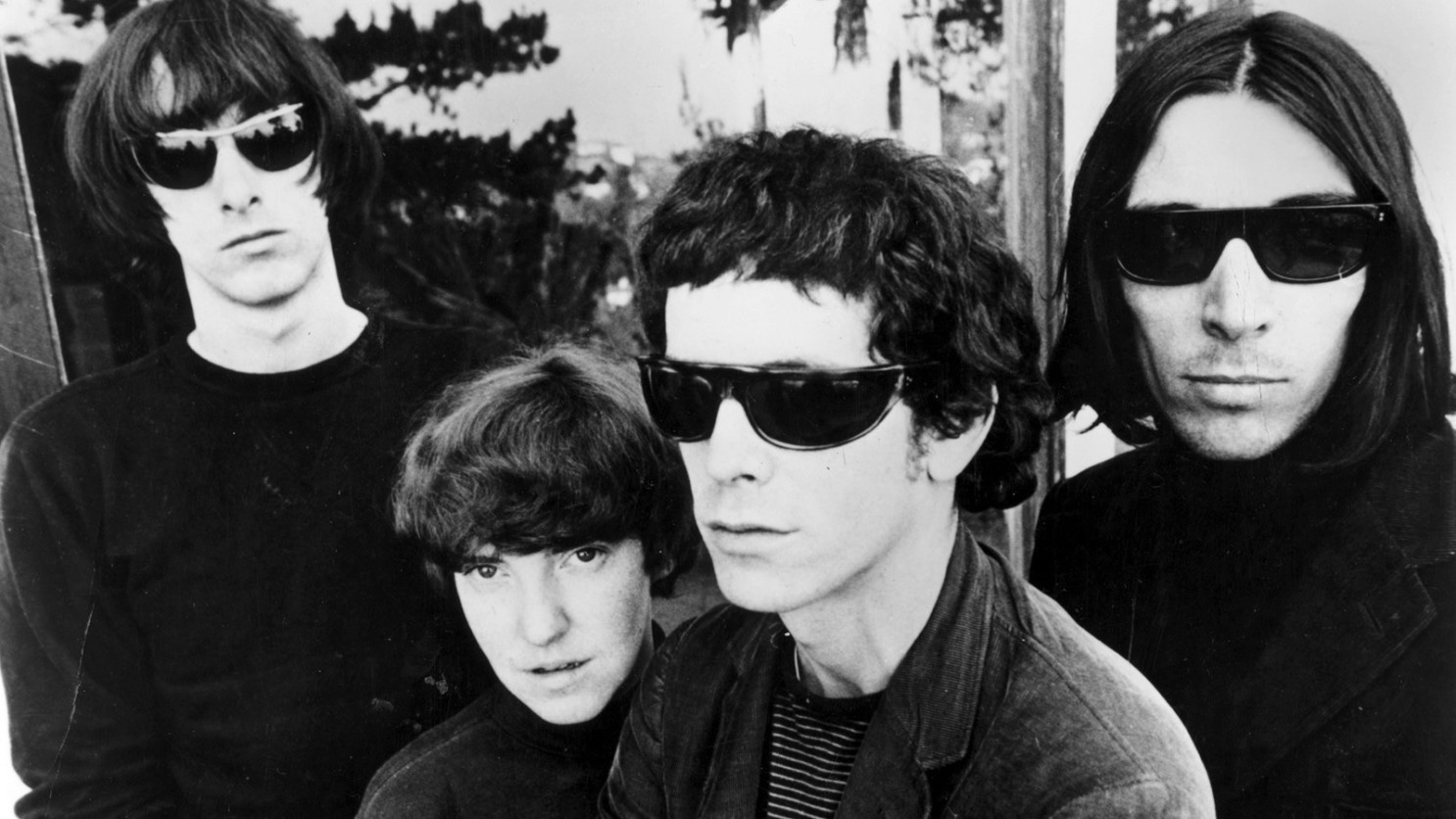
Heroin by The Velvet Underground

Heroin by the Velvet Underground is a prime example of pop culture, in this case music, glorifying illegal drugs and addiction:

I don’t know just where I’m going,

But I’m gonna try for the kingdom if I can,

‘Cause it makes me feel like I’m a man

When I put a spike into my vein,

And I’ll tell ‘ya, things aren’t quite the same,

When I’m rushin’ on my run,

And I feel just like Jesus’ son,

And I guess that I just don’t know,

And I guess that I just don’t know.


I have made the big decision:

I’m gonna try to nullify my life.

‘Cause when the blood begins to flow,

When it shoots up the dropper’s neck,

When I’m closing in on death,

And you can’t help me now, you guys,

And all you sweet girls with all your sweet talk,

You can all go take a walk.

And I guess that I just don’t know,

And I guess that I just don’t know.


I wish that I was born a thousand years ago

I wish that I’d sail the darkened seas,

On a great big clipper ship,

Going from this land here to that,

In a sailor’s suit and cap,

Away from the big city

Where a man can not be free

Of all of the evils of this town,

And of himself, and those around.

Oh, and I guess that I just don’t know.

Oh, and I guess that I just don’t know.


Heroin, be the death of me.

Heroin, it’s my wife and it’s my life,

Because a mainer to my vein

Leads to a center in my head,

And then I’m better off than dead

Because when the smack begins to flow,

I really don’t care anymore


About all the Jim-Jim’s in this town,

And all the politicians makin’ busy sounds,

And everybody puttin’ everybody else down,

And all the dead bodies piled up in mounds,

‘Cause when the smack begins to flow,

Then I really don’t care anymore.


Ah, when the heroin is in my blood,

And that blood is in my head,

Then thank God that I’m as good as dead,

Then thank your God that I’m not aware,

And thank God that I just don’t care,

And I guess I just don’t know,

And I guess I just don’t know.