Greensboro Four

Today in 1960 – Four black students stage the first of the Greensboro sit-ins at a lunch counter in Greensboro, North Carolina.

Here are the four brave students at North Carolina Agricultural and Technical College who, adopting the now-obsolete nonviolent tactics of Gandhi, sat quietly at the white part of the lunch counter while they were reviled. There were no arrests, and students kept coming every day, swelling the seated and then spreading to other segregated facilities. Four years later, the Civil Rights Act declared such segregation illegal.

How Iceland Saved Viking Lore and Traditions

A majority of the written sources we do have are from Iceland. Vikings discovered Iceland in the middle of the 9th century. This discovery led to a land rush as many families were eager to carve out a new life in this austere place of stark beauty. Many of these settlers were escaping Harald Fairhair and other despotic kings who were nation-building in Scandinavia. These pioneer families were fiercely independent and wanted to preserve their way of life and culture without becoming the serfs of greedy lords.

Consequently, many of the Vikings who settled Iceland were from western Norway. Other Vikings came to Iceland indirectly, by way of the Hebrides, Orkney, Ireland, or the Faroe Islands, with Celts from those lands making up portions of their households.

The Vikings set up a democracy in Iceland, with a firm sense of law based on honor and restitution. In the year 1000, the Icelanders voted to accept Christianity as the public religion, while allowing people to practice whatever religion they chose in private. This decision was made for the sake of peace and to keep up with the changing times. But this peculiar conversion would have another effect as well: while Viking descendants in Christianized Scandinavia, Normandy, England, and elsewhere actively distanced themselves from their pagan past, the Icelanders were much more comfortable with that part of their heritage. This, combined with natural isolation and a conservative disposition, led to Iceland remaining a bastion of Old Norse culture. 

Even today, a thousand years later, the modern Icelandic language is very similar to Old Norse. Though some word meanings and pronunciation have naturally shifted, Icelandic college students can read the Medieval manuscripts without much difficulty. This retention of language is a tremendous testament to the cultural preservation that occurred in that island nation.

In the middle of the 13th century – more than 150 years after the last Vikings sailed the seas or stood in battle – Iceland was undergoing a violent political crisis. This crisis of politics became a crisis of identity, and perhaps because of this, there was a strong intellectual impulse to record the remnants of their ancient heritage. For the first time, Viking lore was set down in writing for future generations to read. 

This creative impulse expressed itself in two forms: The first was the Eddas – the collected poetry and myths of the Old Norse gods, goddesses, and heroes. But the second impulse may have been the more remarkable: the Icelanders set down the stories of their ancestors – ordinary men and women. These sagas were a unique accomplishment in medieval literature. Even today, the sagas are recognized as one of the world’s great literary achievements and a forerunner of the modern novel. 

Even in the Viking Age, poets from Iceland were considered among the best. But after their time, their descendants expanded the Norse oral tradition into a vibrant literary culture. To this day, Icelanders read more books and even write more books per capita than any other nation in the world.

Source: Son of Vikings

Leg of Lamb with Rosemary, Garlic and Currant Marinade

4 lbs leg of lamb 1 tsp sugar

½ cup red currants

1 clove garlic, minced

2 tbsp rosemary, minced

½ lemon, juice and zest

2 tsp salt

1½ tsp black pepper

Preheat the oven to 450°F

Cut away any large chunks of fat, membrane and tendons from the leg of lamb, then pat it dry.

Sprinkle the sugar over the berries and let them sit for a couple of minutes before crushing them with a fork. Add the garlic, rosemary, lemon juice and zest, salt and pepper. Stir together then rub on the meat, making sure to cover every inch. Let the lamb marinate at room temperature for 45 minutes or in the refrigerator for up to 8 hours.

Place the lamb on an oven rack in a baking pan. Add 1 cup of water to the pan. Make sure the rack is high enough that the lamb is not sitting in the cooking water. Cook for 10 minutes, then turn the heat down to 350°F and let roast for 70 to 80 more minutes, or until the lamb’s internal temperature has reached 145°F for medium rare or 155°F for medium.

Let the meat rest for 15 minutes before slicing it. Make a jus from the collected juices by reducing them to half in a small saucepan and if you would like, add a little heavy cream to it right before serving.

Serve with roasted Potatoes and a green salad.

Anne Frank on War

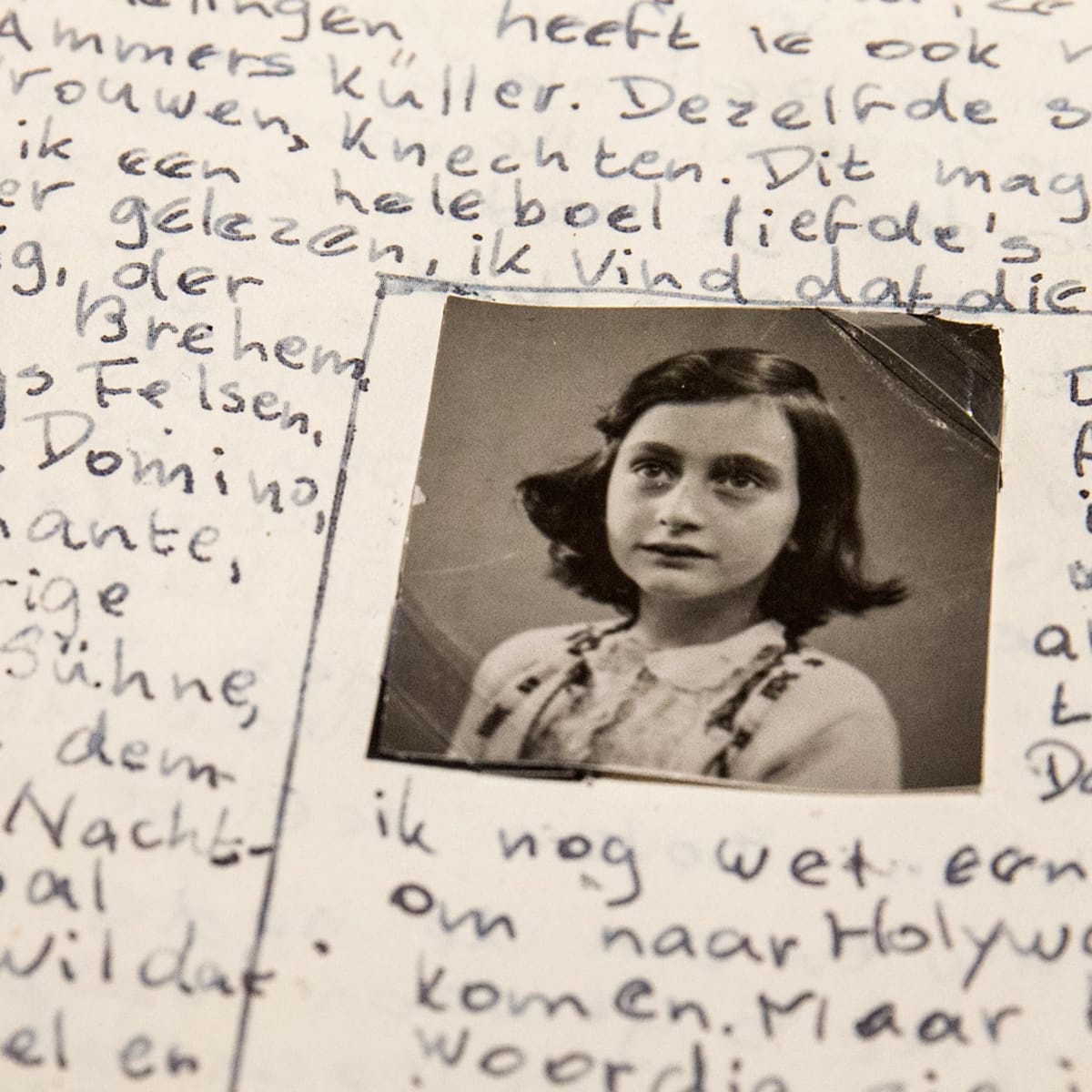
“I don’t believe that the big men, the politicians and the capitalists alone are guilty of the war. Oh, no, the little man is just as keen, otherwise the people of the world would have risen in revolt long ago! There is an urge and rage in people to destroy, to kill, to murder, and until all mankind, without exception, undergoes a great change, wars will be waged, everything that has been built up, cultivated and grown, will be destroyed and disfigured, after which mankind will have to begin all over again.”

~ Anne Frank, “The Diary of a Young Girl – 3 May 1944”

#FavoriteQuotes #AnneFrank

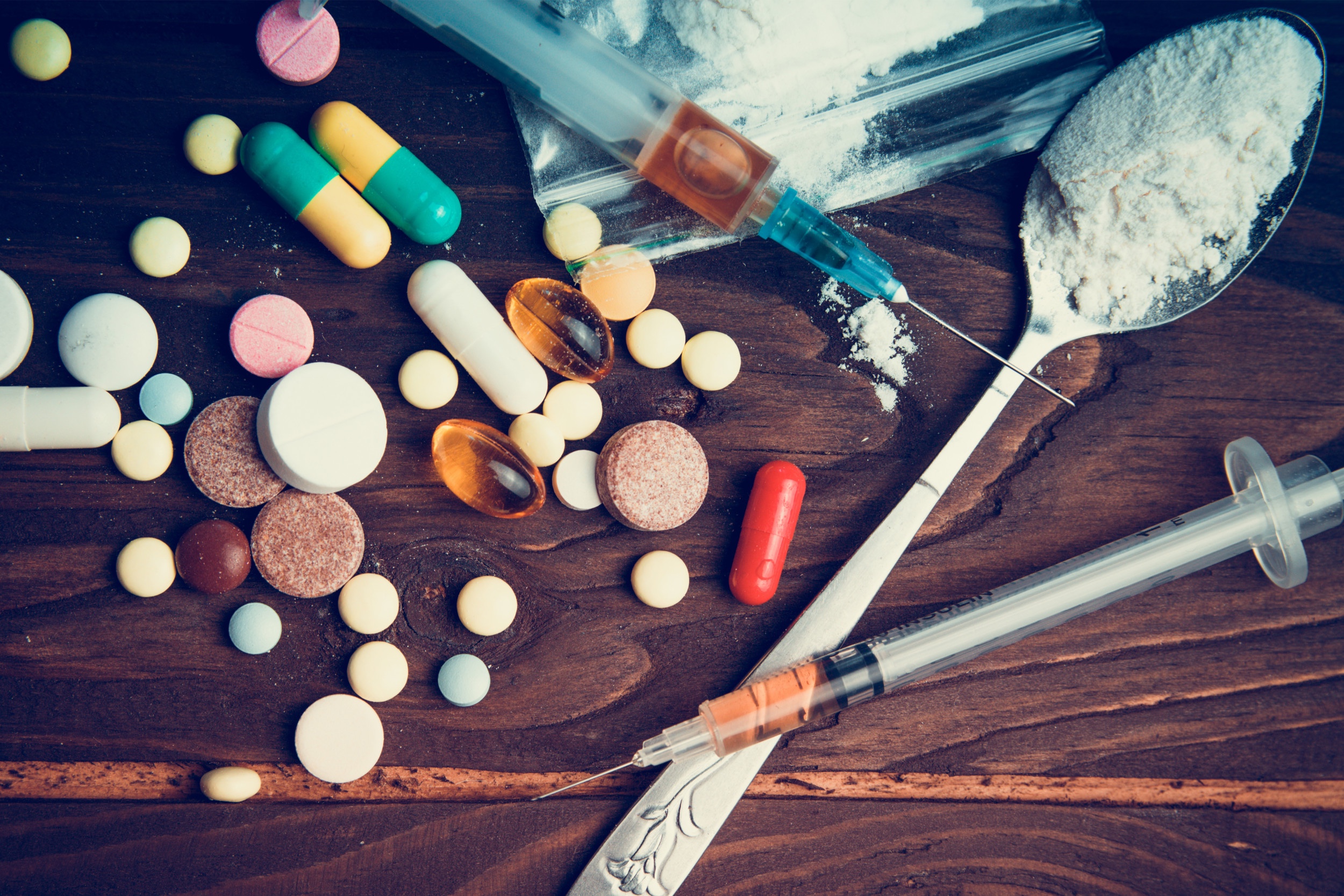
Slang for Illegal Drug Combinations

  • 3M—Mescaline, mushrooms (psilocybin) and Molly (crystal Ecstasy)
  • A-bomb or atom bomb—Marijuana mixed with heroin
  • Amp joint—Marijuana cigarette laced with some form of narcotic
  • B-40—Cigar laced with marijuana and dipped in malt liquor
  • Back to back—Abuse of heroin followed by crack cocaine or vice versa
  • Banana split—Combination of the synthetic 2C-B with other illegal drugs,
    especially LSD
  • Banano—Marijuana or tobacco cigarettes doctored with cocaine
  • Bars—Heroin mixed with alprazolam/Xanax
  • Basuco—Incompletely refined cocaine paste sprinkled on a marijuana cigarette
  • Bazooka—Combination of crack cocaine or unrefined cocaine and marijuana
  • Beam me up, Scottie—Cocaine combined with PCP
  • Bipping—Snorting heroin and cocaine, either simultaneously or close together
  • Black Russian—Hashish and opium
  • Buda—High-grade marijuana with crack cocaine added
  • Bumping up—Combining Ecstasy with powder cocaine
  • C & M—Cocaine and morphine
  • Canade—Heroin and marijuana used together
  • Candy blunt—Marijuana-filled cigar (blunt) dipped in cough syrup
  • Candy flipping—Using LSD and Ecstasy together
  • Candy flipping on a string—Combining LSD and Ecstasy or LSD, Ecstasy and cocaine either all at once or in sequence
  • Capsizing—PCP and MDMA
  • Caviar—Cocaine and marijuana
  • Cheese—A mix of black tar heroin and diphenhydramine (most commonly found in Tylenol PM)
  • Chasing the dragon—Crack cocaine and heroin
  • Chips—Tobacco or marijuana cigarettes treated with PCP
  • Chronic—Marijuana mixed with crack
  • Clicker—Crack mixed with PCP or a marijuana cigarette treated with dipped in formaldehyde before smoking
  • Cocktail—Combination of crack and marijuana
  • Cocoa Puffs—Cocaine and Marijuana smoked together
  • Crackers—Talwin (narcotic painkiller) and Ritalin
  • Crescent roll—Marijuana laced with cocaine
  • Crisscrossing—Snorting a line of cocaine along with a line of heroin
  • Crunk—Getting high and drunk at the same time.
  • Diablito—Crack cocaine and marijuana in a joint
  • Dipped joints—Marijuana combined with PCP and formaldehyde
  • Dirties/Dirty joints—Marijuana mixed with powder cocaine
  • Donk—Marijuana and PCP
  • Draf—Ecstasy with cocaine
  • Dragon rock—Heroin and crack mixed together
  • Dust—Marijuana mixed with various other drugs such as cocaine, heroin or PCP
  • Dynamite—Cocaine mixed with heroin
  • Eightball—Crack cocaine and heroin
  • El diablito—Cocaine, marijuana, heroin and PCP
  • El diablo—Cocaine, marijuana and heroin
  • Elephant flipping—Use of PCP and Ecstasy with animal anesthetic ketamine
  • Ethan—LSD and cocaine
  • Fire—Crack and methamphetamine
  • Five-way—Snorting heroin, cocaine, methamphetamine, and Rohypnol while also drinking alcohol
  • Flamethrowers—Regular cigarettes treated with cocaine and heroin
  • Flower flipping—Ecstasy and mushrooms used together
  • Frisco special/Frisco speedball—Cocaine, heroin, and LSD
  • Fry/Fry sticks—Marijuana cigarettes dipped in embalming fluid or PCP
  • Fry daddy—Crack and marijuana mixed and smoked
  • Geek-joints—A marijuana cigarette with crack or powdered cocaine added
  • Gimmie—Crack and marijuana mixed together
  • Goofball—Cocaine and heroin
  • Greek—Marijuana and powder cocaine
  • H & C—Heroin and cocaine
  • H-bomb—Ecstasy and heroin
  • Handlebars—Combination of crack cocaine and alprazolam (Xanax)
  • Happy stick—Marijuana and PCP in a cigarette
  • He-she—Heroin mixed with cocaine
  • Herb and al—Marijuana and alcohol
  • Hippie flip—Use of mushrooms (psilocybin) and Ecstasy
  • Houston cocktail—Hydrocodone, a benzodiazepine like Valium or Xanax, and Soma/carisoprodol
  • Hugs and kisses—Combination of methamphetamine and Ecstasy
  • Illie/illy—Marijuana dipped in liquid PCP or embalming fluid and then dried
  • Jedi flip—Mushrooms, LSD, and Ecstasy
  • Jet fuel—PCP use combined with methamphetamine
  • Jim Jones—Marijuana treated with cocaine and PCP
  • Joy stick—Marijuana treated with PCP
  • Juice joint—Marijuana cigarette sprinkled with crack
  • Karachi—Heroin, phenobarbital (a sleeping drug), and methaqualone (depressant)
  • Killer weed—Marijuana and PCP
  • Kitty Bending—Ketamine and benzodiazepines (Xanax, Valium)
  • Kitty Boosting—Amphetamine and ketamine
  • Kitty Flipping—Ketamine and Ecstasy
  • Kitty Tripping—Ketamine and LSD
  • Lace—Cocaine and marijuana
  • Las Vegas cocktail—Hydrocodone and a benzodiazepine like Valium or Xanax
  • LBJ—Heroin plus LSD and PCP
  • Liprimo—Marijuana and crack mixed and formed into a cigarette
  • Love boat—Marijuana dipped in formaldehyde; a cigar refilled with marijuana
    and then dipped in liquid PCP; cigar refilled with marijuana that has heroin added
  • Love flipping—Mescaline and Ecstasy
  • Lucky flip—Ecstasy and synthetic 2C-T-7
  • Love trip—Mescaline and Ecstasy
  • Lovelies—Marijuana treated with PCP
  • Methball—methamphetamine and heroin mixed in one syringe
  • Missile basing—Crack and PCP
  • Moonrock—Crack and heroin
  • Murder one—Heroin and cocaine
  • Neon Nod—LSD and heroin
  • Nexus flipping—Nexus (the synthetic 2-CB) and MDMA
  • Nox—Nitrous oxide and MDMA
  • Octane—PCP laced with gasoline
  • On the ball—Ecstasy particles added to a bag of heroin
  • One and ones—Talwin (narcotic painkiller) and Ritalin
  • Oolies—Marijuana cigarettes laced with crack
  • Ozone—Cigarette containing marijuana, PCP and crack cigarette
  • P-dogs—Cocaine and marijuana
  • P-funk—Crack plus PCP
  • Pancakes and syrup—Glutethimide (hypnotic drug) and codeine cough syrup
  • Parachute—Smoking crack and PCP; smoking crack and heroin
  • Parachute down—Using Ecstasy when coming down off heroin
  • Party and play—Methamphetamine together with Ecstasy and Viagra
  • Party pack—The synthetic 2C-B plus other illicit drugs, particularly Ecstasy
  • Pharming—Mixing prescription drugs
  • Piggybacking—Simultaneous injecting two drugs; using Ecstasy sequentially to maintain the high
  • Pikachu—Pills containing PCP and Ecstasy
  • Polo—Heroin and dimenhydrinate (Dramamine)
  • Poor man’s heroin—Narcotic painkiller Talwin and Ritalin, injected
  • Poro—Heroin plus PCP
  • Primos—Marijuana joints treated with crack cocaine
  • Quiktrip—Methamphetamine and psilocybin
  • Red rock opium/Red rum—Heroin, sleeping pills, strychnine and caffeine
  • Ritz and Ts—Ritalin and Talwin, injected
  • Robo flipping—Ecstasy and dextromethorphan (cough medication)
  • Rompums—Marijuana with Xylazine or other horse tranquilizers
  • Sandwich—Two layers of cocaine with a layer of heroin in the middle
  • Scramble—Low purity heroin plus crack cocaine
  • Screwball—Heroin and methamphetamine
  • Serial speedballing—Sequencing cocaine, cough syrup, and heroin over period of days
  • Shabu—Powder cocaine and methamphetamine
  • Sherman stick—Crack cocaine with marijuana in a blunt (refilled cigar)
  • Smoking gun—Heroin and cocaine
  • Snowcone—Amphetamine and weed smoked together
  • Snow seals—Cocaine and amphetamine
  • Space base/Space blunt—Crack dipped in PCP; refilled cigar with PCP and crack
  • Space cadet/Space dust—Crack dipped in PCP
  • Speedball—Cocaine and heroin; may also refer to methylphenidate (Ritalin) mixed with heroin
  • Speedboat—Methamphetamine, PCP, heroin and cocaine or marijuana, PCP and crack smoked together
  • Speedkitten—Methamphetamine and ketamine
  • Speedies—Ecstasy adulterated with amphetamine
  • Spill—Speed and an ecstasy pill in the same line to be snorted
  • Splitting—Rolling marijuana and cocaine into a single joint
  • Spoke—Speed, crushed Ecstasy pill and coke in the same line to be snorted
  • Squirrel—PCP and marijuana that is laced with cocaine and smoked
  • Stupor stoning—Drinking alcohol while smoking marijuana
  • Sugar flipping—Ecstasy and cocaine
  • Super grass—Marijuana treated with PCP
  • Super X—Methamphetamine and Ecstasy
  • Tar—Smoking crack and heroin
  • Tipsy flipping—Alcohol and Ecstasy
  • Torpedo—Marijuana and crack
  • Troll—LSD and MDMA
  • Twisters—Crack and methamphetamine
  • Waffle dust—Ecstasy and amphetamine
  • Wet/Wet sticks—Marijuana cigarettes soaked in PCP or formaldehyde and dried
  • Whack—Heroin and PCP; Crack and PCP
  • Wicky—Powder cocaine, PCP and marijuana
  • Wild cat—Methcathinone (synthetic similar to methamphetamine) mixed with cocaine
  • Wollie/Woo—Adding crack rocks to a marijuana cigarette
  • Woola blunt/Woolah- Marijuana and heroin in a refilled cigar
  • Woolas—Crack sprinkled on marijuana cigarette
  • Woolie—Marijuana and heroin; marijuana and crack cocaine; marijuana and PCP
  • Woolies—Marijuana and crack or PCP
  • Yerba mala—PCP and marijuana

Graffiti Terms

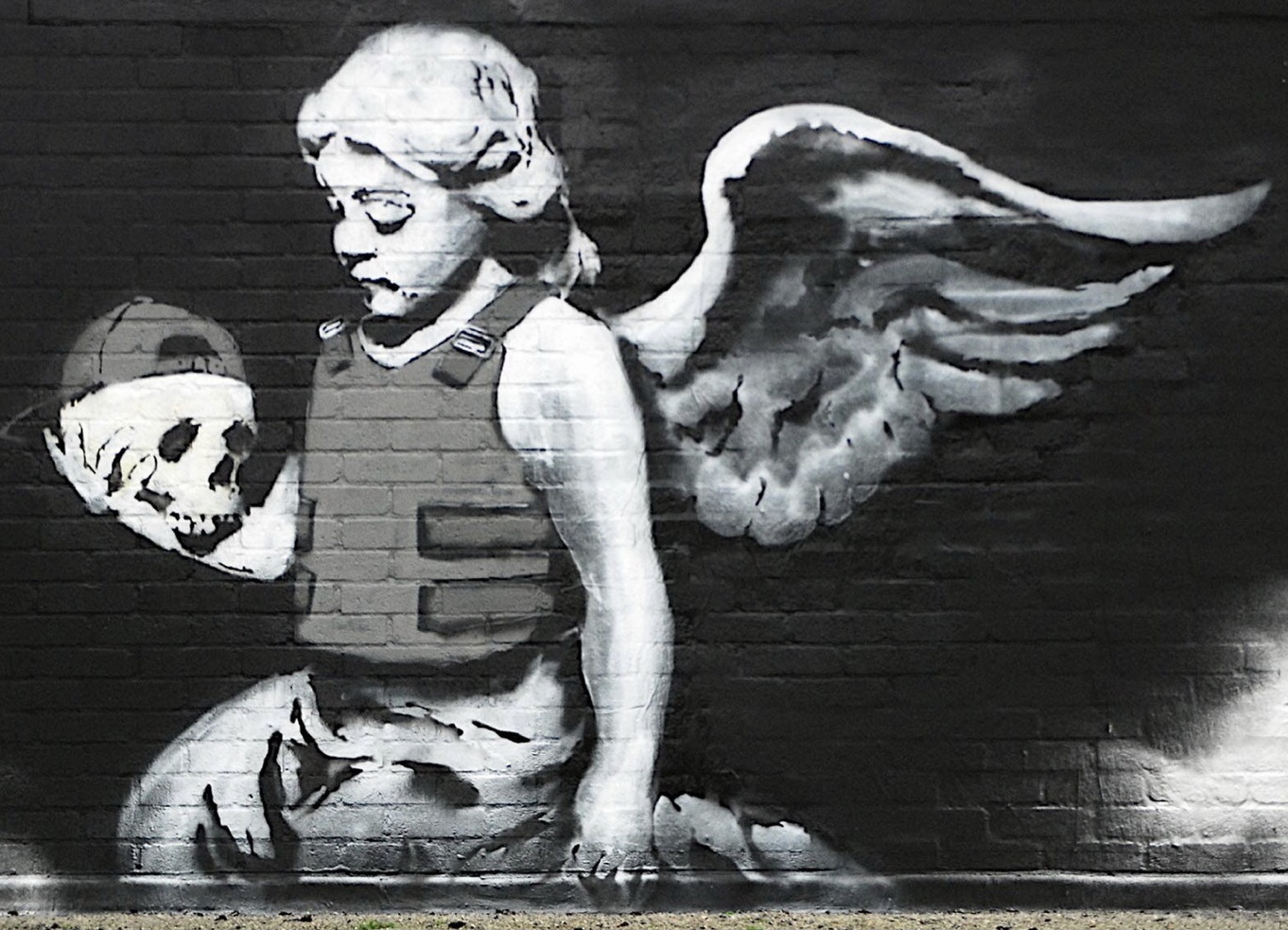
Angel

Graffiti term ‘angel’ is most commonly used when referring to a famous or highly respected graffiti artist who has passed away.

King

‘King’ (or ‘queen’ for female writers) is a graffiti writer who is especially respected among other writers. Some people refer to different writers as kings of different graffiti styles, and the term is regionally subjective.

Married Couple

In graffiti world, the term ‘married couple’ refers to two simultaneous train cars painted next to each other with a single painting evenly spread across both cars.

Heaven Spot

‘Heaven spot’, or ‘heaven’ in short, is a graffiti term which refers to dare devil graffiti pieces that are painted in places that are hard to reach, such as rooftops, overpasses and freeway signs, thus making them hard to remove.

Piece

The graffiti term ‘piece’, short of masterpiece, is used to describe a large, complex, time-consuming and labor-intensive graffiti painting, usually painted by skilled and experienced writers.

Tag

Tag is the most basic and the most prevalent form of graffiti. Graffiti tag is usually written with marker or spray paint and in one color, which is sharply contrasted with its background. Tag is a stylized personal signature and contains graffiti writer’s name, also known as a moniker.

Back to Back

The term ‘back to back’ refers to graffiti piece that is painted all the way across a wall, from end to end.

Throw-Up

‘Throw-up’ or ‘throwie’ is a widely referenced graffiti term, most commonly used to describe tag-like drawings of bubble letters designed for quick execution (we all know why) of graffiti words, and usually consisting of artist’s name and only two colors.

Whole Train

The meaning of the term ‘whole train’ is quite self-explanatory in the graffiti world. It is used to describe train cars which have been completely covered in graffiti, from the first to the last car of the train composition.

The War between the Giants and the Norse Gods

At the dawn of time, Odin and his two brothers killed the giant Ymir and created the world from his body. As usual, a god’s motivations are difficult to determine. Did Odin simply need Ymir dead for the sake of creation? Or did the Alfather reason that if Ymir continued to spawn giants that any order in the universe would become impossible? In any case, as the three gods tore the massive giant to pieces, a vast deluge of blood burst forth. This blood became all the world’s oceans, and the torrent swept away every giant – except for one family who escaped in a wooden ark. This giant was named Bergelmir, and all the later giants were descended from him.

Odin and his brothers made the land from Ymir’s corpse, with his teeth and broken bones forming the stones and the mountains, the great dome of his skull forming the sky, and even his thoughts forming the clouds – thin and wispy or dark and brooding. They called this world Midgard, and they encircled it with a mighty barrier made from Ymir’s eyelashes. They also made their own realm, Asgard. Asgard and Midgard (along with several other of the Nine Worlds) became “innangard,” a place of protection where the gods ruled. Beyond, were places the giants ruled – Jotunheim, Hel, and the other realms that formed “utangard” or, as both Utgard and utangard would be translated, “beyond the enclosure.”

Cast out into the darkness of Utgard, the Jötnar remembered a time when they ruled. Either out of a need for revenge or because – as the Eddic Poem says – they really were “born of venom and thus fierce and cruel,” the giants dream of a time when they will overcome Asgard and Midgard.

The time for them to unite and march against the gods will come in Ragnarok. In the meantime, many giants try their luck raiding the territory of the gods. The bravest of them sometimes appear in Asgard, with a challenge or a trick for the Aesir gods, or they come to terrify us mortals in Midgard. When the Vikings and other Nordic/Germanic peoples took shelter from howling storms, they knew it was Odin leading the gods in “the Wild Hunt” against the giants. When they saw thunder’s flash and the pound of lightning, they knew Thor was smiting giants with his mighty hammer, Mjolnir.

Sometimes, the gods and giants live in an uneasy peace. Not only did gods and giants often form marriages, liaisons, and alliances, but there were times when giants were even able to show some sympathy with the gods. For example, when the most beloved god, Baldr, died because of Loki’s treachery, even the giants wept. Peace never lasted long, though. Whether because giants would make incursions into Asgard, or because Odin or Thor would venture into Jotunheim on their adventures, the hostility between giants and gods was always kept alive.

This enmity and ages-long struggle will come to fruition at Ragnarok. There the gods and giants will destroy each other. Like the opposing forces of creation and chaos they seem to be, they will cancel each other out, and oblivion will resume before the universe is – perhaps – born anew.

Source: Sons of Vikings