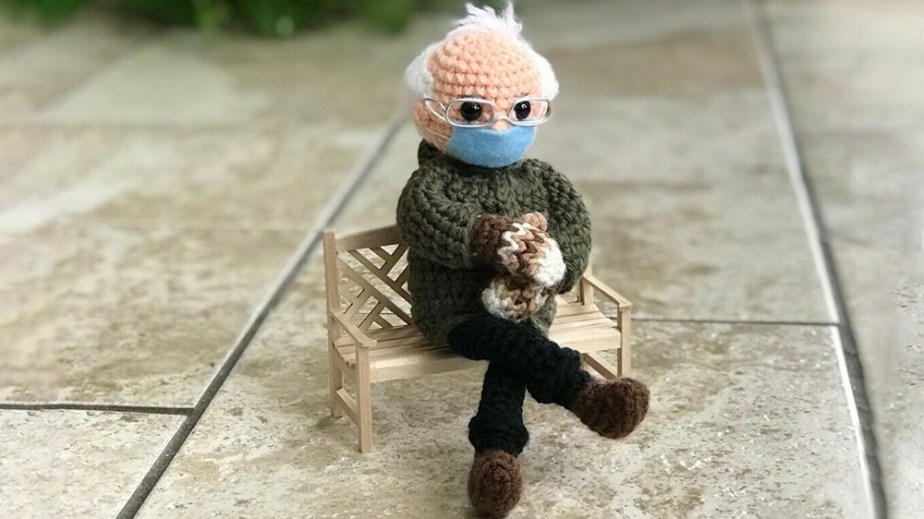
This famous Bernie Mittens crocheted doll, created by Tobey King, just sold for $20,300 on eBay after the auction began at $99. Awesome, for all the money went to Meals on Wheels America, one of Bernie’s favorite charities. Here’s the famous doll, which came complete with the bench.
Supreme Allied Commander Dwight D. Eisenhower had studied his World War II enemy, he was unprepared for the Nazi brutality he witnessed at Ohrdruf concentration camp in April 1945. Bodies were piled like wood and living skeletons struggled to survive. On International Holocaust Remembrance Day, learn how Eisenhower foresaw a day when the horrors of the Holocaust might be denied and hear about his vigilance to preserve its truth…
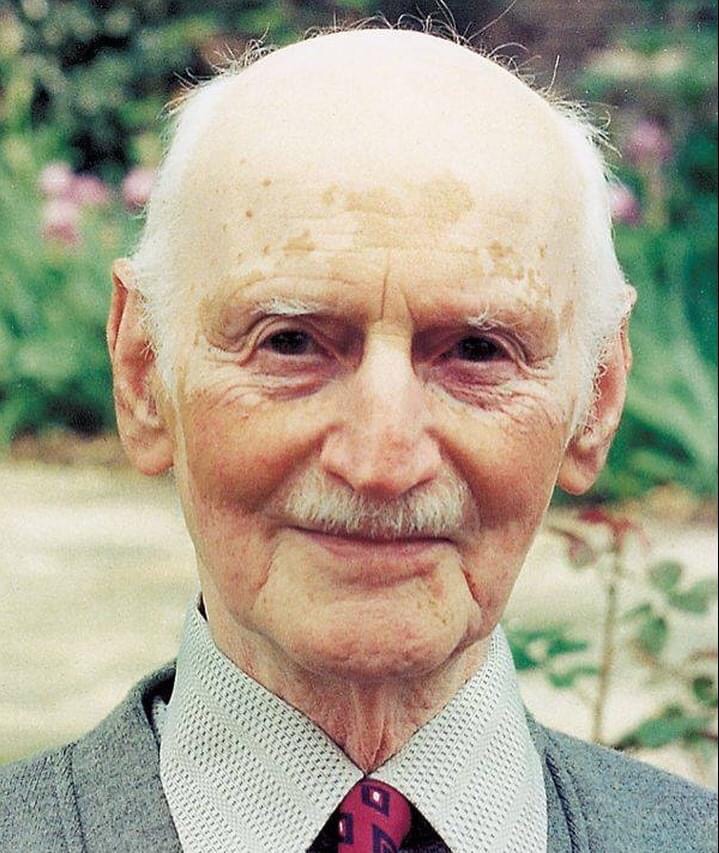
On this day in 1945, the Russian army liberates Auschwitz concentration camp. Otto Frank is one of around 8,000 prisoners remaining in the camp, most of them desperately ill.
Otto Frank is the only one of the eight people who hid in the Secret Annex to survive the horrors of the war. He has lost his wife Edith and his daughters Margot and Anne.
Shortly before his death he says:
“I am now almost ninety and my strength is slowly failing. Still, the task I received from Anne continues to restore my energy: to struggle for reconciliation and human rights throughout the world.”
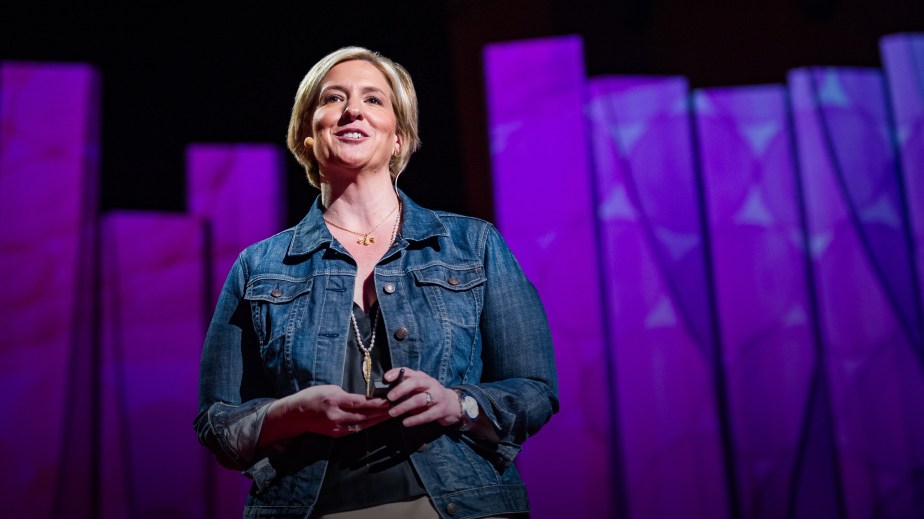
“But there’s another way, and I’ll leave you with this. This is what I have found: to let ourselves be seen, deeply seen, vulnerably seen; to love with our whole hearts, even though there’s no guarantee — and that’s really hard, and I can tell you as a parent, that’s excruciatingly difficult — to practice gratitude and joy in those moments of terror, when we’re wondering, “Can I love you this much? Can I believe in this this passionately? Can I be this fierce about this?” just to be able to stop and, instead of catastrophizing what might happen, to say, “I’m just so grateful, because to feel this vulnerable means I’m alive.” And the last, which I think is probably the most important, is to believe that we’re enough. Because when we work from a place, I believe, that says, “I’m enough,” then we stop screaming and start listening, we’re kinder and gentler to the people around us, and we’re kinder and gentler to ourselves.”
Today in Space History —> On January 27, 1967, tragedy struck the Apollo program when a flash fire occurred in command module 012 during a launch pad test of the Apollo/Saturn space vehicle being prepared for the first piloted flight, the AS-204 mission. Three astronauts, Lt. Col. Virgil I. Grissom, a veteran of Mercury and Gemini missions; Lt. Col. Edward H. White, the astronaut who had performed the first United States extravehicular activity during the Gemini program; and Roger B. Chaffee, an astronaut preparing for his first space flight, died in this tragic accident.
Above are the charred remains of the capsule interior after the bodies were removed:
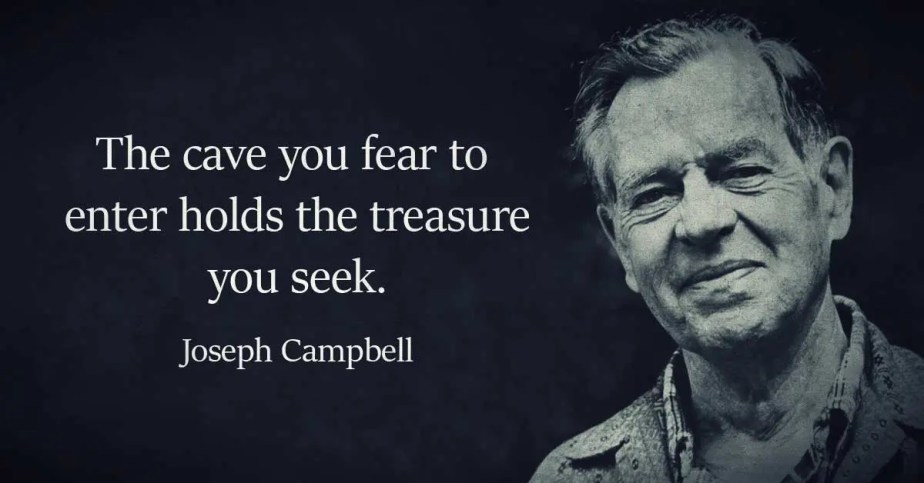
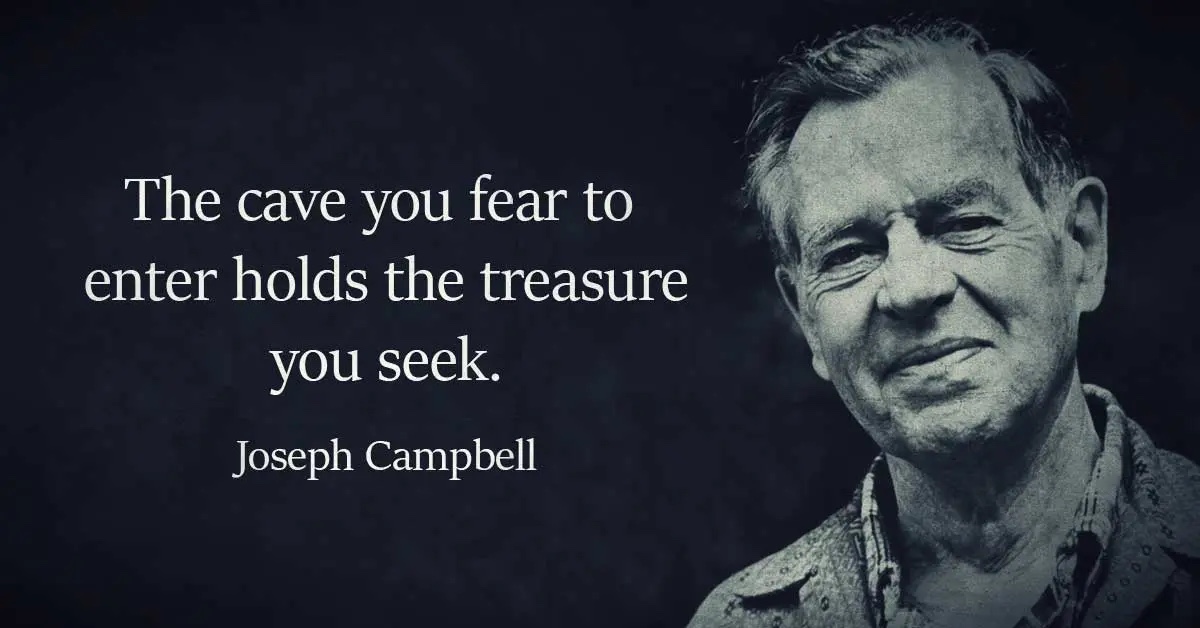
“Mythology, in other words, is not an outmoded quaintness of the past, but a living complex of archetypal, dynamic images, native to, and eloquent of, some constant, fundamental stratum of the human psyche. And that stratum is the source of the vital energies of our being. Out of it proceed all the fate-creating drives and fears of our lives. While our educated, modern waking-consciousness has been going forward on the wheels and wings of progress, this recalcitrant, dream-creating, wish-creating, under-consciousness has been holding to its primeval companions all the time, the demons and the gods.”
Season the fish cavities with salt and pepper then stuff each cavity with marjoram sprigs, parsley, celery leaves and 2 to 3 lemon slices. Rub the outside of the snapper generously with olive oil and season with salt and pepper.
Heat a grill and grill the fish on high heat for 7 minutes per side. The fish will let go of the grill and you can easily flip it over when cooked through. If the fish sticks to the grill try giving it a couple more minutes and see if it does let go on its own (if not, you probably didn’t use enough oil and will need to carefully scrape it off the grill).
Serve with a refreshing salad, such as a tomato salad
It is common to hear the Norse giants referred to as frost giants or ice giants. The Prose Edda seems to refer to Jötnar as frost giants (hrimþursar) much of the time. This is only part of the story, though.
The association between giants and ice is understandable considering that the giants first arose from the meeting of fire and ice in the yawning void at the dawn of time and because the giants live beyond the realm of gods and mortals. People living as close to nature as Vikings did usually associated intense cold with death and hardship. The inhabited parts of the Viking world were hemmed by glaciers and frozen mountains. Meanwhile, the Giants were said to live in Jotunheim or Utgard (which means a place outside or beyond the boundaries of the worlds of humans and gods). One Eddic poem describes a hall in Utgard this way:
I saw a hall that stands far from the sun On the beaches of corpses the doors face north Drops of poison fall from the roof The walls are encircled by serpents
(Voluspa, verse 37, Crawford’s 2015 translation)
Despite these associations with cold and ice, not all giants are “frost giants” as such. One of the most feared giants of all is Surt, a massive being of fire that will bring great destruction to the world at Ragnarok. The Poetic Edda mentions Thor killing “lava giants” as well as frost giants, and sometimes presents them in juxtaposition, as in the poem For Skirnis: “hear me, giants, hear me, frost-trolls, hear me, fire-trolls!” In this same poem, some giants are presented as radiantly beautiful, while others are ghastly and horrifying. Indeed, the Jötnar may be the most diverse of all the beings that haunt the Viking imagination.
“Certainly there is a new age coming, and it will be a planetary age. But the beginnings of ages are usually terrible, with great violence, yang in a most brutal way. New ages don’t come softly; they are times of aggression and smashing. I see no sign of anything gentle happening.”
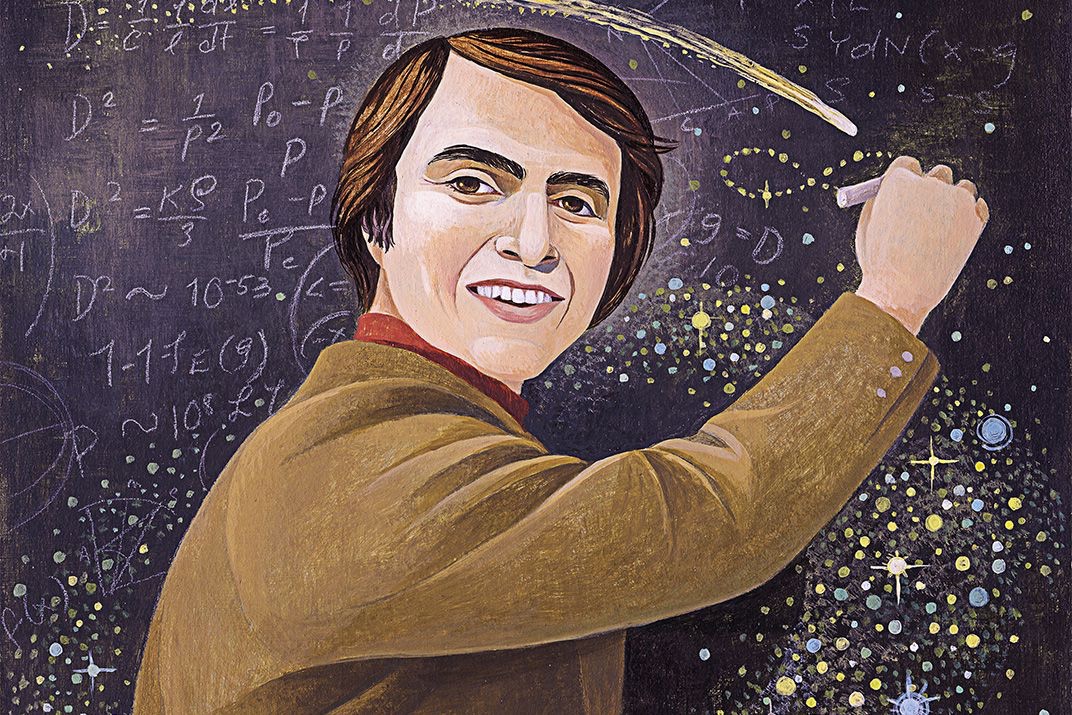
“Science is more than a body of knowledge; it is a way of thinking. I have a foreboding of an America in my children’s or grandchildren’s time—when the United States is a service and information economy; when nearly all the key manufacturing industries have slipped away to other countries; when awesome technological powers are in the hands of a very few, and no one representing the public interest can even grasp the issues; when the people have lost the ability to set their own agendas or knowledgeably question those in authority; when, clutching our crystals and nervously consulting our horoscopes, our critical faculties in decline, unable to distinguish between what feels good and what’s true, we slide, almost without noticing, back into superstition and darkness.”




 Mark Bere Peterson’s Counterculture, Urban Legends, Paganism & Witchcraft