Thoth: God of Scribes

Moon-god presiding over scribes and knowledge.

Thoth or ‘Djeheuty’ in Ancient Egyptian – can be represented under two forms:

~ Sacred ibis (a large wading bird with a long down-curved bill, long neck, and long legs.)

~ Baboon

Thoth as ‘lord of the sacred words’ gave to the Egyptians the knowledge of how to write by picture symbols, hieroglyphs could always possess a magical force. Scribes regarded themselves as ‘followers of Thoth’. They were a privileged class and, according to one hymn to Thoth, the eye of the baboon watched out for scribes who abused their skill by applying it to illicit self-gain.

Thoth represented to the Egyptians the embodiment of all scientific and literary attainments, being in command of all ‘the sacred books in the house of life’. The house of life was a revered resource centre accessible only to scribes, containing a wealth of knowledge on papyri under the protection of Thoth. Examples were medical manuals, mathematical problems and instructional documents on social etiquette. The idea of Thoth transmitting wisdom, too secret for profane eyes, to a few initiates (notably to scribes in charge of temple libraries) comes across in the Middle Kingdom story set centuries before in the reign of King Khufu (Dynasty IV) about a magician called Djedi: Djedi knows the number of the secret chambers in the sanctuary of Thoth, powerful knowledge not even possessed by the pharaoh himself.

Source: George Hart. “The Routledge Dictionary of Egyptian Gods & Goddesses 2nd Edition.” 2005.

Sekhmet: Goddess Of War

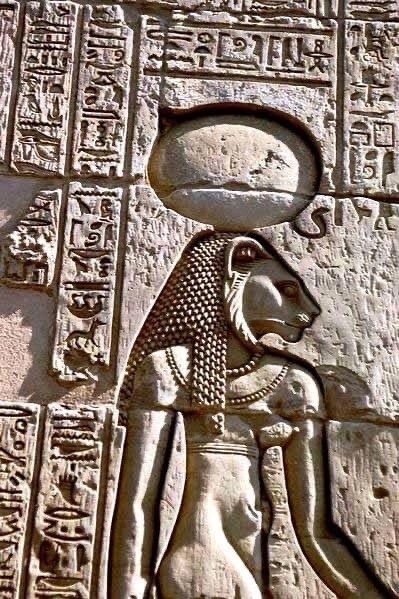
Sekhmet was a powerful war goddess of Egypt, the destroyer of pharaoh’s enemies, called “She Who Is Powerful.” Sekhmet was a lioness deity, the consort of Ptah and the mother of Nefertem and Imhotep in Memphis. A daughter of the god Re, Sekhmet struck at evildoers and spread plagues. She also healed the righteous. Her clergy- men were physicians and magicians.

Sekhmet had a popular role among the rulers of Egypt, as she was believed to bring about the conception of the pharaohs. In the form of a cobra she was called Mehen, and she possibly came from Nubia (modern Sudan) in the early eras. She was also called the “Eye of Re.”

Her statues normally depicted her as a woman with a lion’s head, and at times she wore a sun disk on her head. In this form she was a warrior manifestation of the sun, causing flames to devour the enemies of Egypt. In some eras, the gates of Sekhmet’s temples were opened as a signal of the onset of a military campaign. Amenehmet III (1844–1797 B.C.E.) included 700 statues of Sekhmet in his mortuary temple in Dashur.

Source: Margaret R. Bunson, “Encyclopedia of Ancient Egypt.” 2002.

Psychotherapy: An Overview

Psychotherapy is a general term for treating mental health problems by talking with a psychiatrist, psychologist or other mental health provider.

During psychotherapy, you learn about your condition and your moods, feelings, thoughts and behaviors. Psychotherapy helps you learn how to take control of your life and respond to challenging situations with healthy coping skills.

There are many types of psychotherapy, each with its own approach. The type of psychotherapy that’s right for you depends on your individual situation. Psychotherapy is also known as talk therapy, counseling, psychosocial therapy or, simply, therapy.

Why it’s done

Psychotherapy can be helpful in treating most mental health problems, including:

• Anxiety disorders, such as obsessive-compulsive disorder (OCD), phobias, panic disorder or post-traumatic stress disorder (PTSD)

• Mood disorders, such as depression or bipolar disorder

• Addictions, such as alcoholism, drug dependence or compulsive gambling

• Eating disorders, such as anorexia or bulimia

• Personality disorders, such as borderline personality disorder or dependent personality disorder

• Schizophrenia or other disorders that cause detachment from reality (psychotic disorders)

Not everyone who benefits from psychotherapy is diagnosed with a mental illness. Psychotherapy can help with a number of life’s stresses and conflicts that can affect anyone. For example, it may help you:

• Resolve conflicts with your partner or someone else in your life

• Relieve anxiety or stress due to work or other situations

• Cope with major life changes, such as divorce, the death of a loved one or the loss of a job

• Learn to manage unhealthy reactions, such as road rage or passive-aggressive behavior

• Come to terms with an ongoing or serious physical health problem, such as diabetes, cancer or long-term (chronic) pain

• Recover from physical or sexual abuse or witnessing violence

• Cope with sexual problems, whether they’re due to a physical or psychological cause

• Sleep better, if you have trouble getting to sleep or staying asleep (insomnia)

In some cases, psychotherapy can be as effective as medications, such as antidepressants. However, depending on your specific situation, psychotherapy alone may not be enough to ease the symptoms of a mental health condition. You may also need medications or other treatments.

Risks

Generally, there’s little risk in having psychotherapy. But because it can explore painful feelings and experiences, you may feel emotionally uncomfortable at times. However, any risks are minimized by working with a skilled therapist who can match the type and intensity of therapy with your needs.

The coping skills that you learn can help you manage and conquer negative feelings and fears.

How you prepare

Here’s how to get started:

Find a therapist. Get a referral from a doctor, health insurance plan, friend or other trusted source. Many employers offer counseling services or referrals through employee assistance programs (EAPs). Or you can find a therapist on your own, for instance, by looking for a professional association on the Internet.

Understand the costs. If you have health insurance, find out what coverage it offers for psychotherapy. Some health plans cover only a certain number of psychotherapy sessions a year. Also, talk to your therapist about fees and payment options.

Review your concerns. Before your first appointment, think about what issues you’d like to work on. While you also can sort this out with your therapist, having some sense in advance may provide a good starting point.

Check qualifications

Before seeing a psychotherapist, check his or her background, education, certification, and licensing. Psychotherapist is a general term rather than a job title or indication of education, training or licensure.

Trained psychotherapists can have a number of different job titles, depending on their education and role. Most have a master’s or doctoral degree with specific training in psychological counseling. Medical doctors who specialize in mental health (psychiatrists) can prescribe medications as well as provide psychotherapy.

Examples of psychotherapists include psychiatrists, psychologists, licensed professional counselors, licensed social workers, licensed marriage and family therapists, psychiatric nurses, or other licensed professionals with mental health training.

Make sure that the therapist you choose meets state certification and licensing requirements for his or her particular discipline. The key is to find a skilled therapist who can match the type and intensity of therapy with your needs.

What you can expect

Your first therapy session:

At the first psychotherapy session, the therapist typically gathers information about you and your needs. You may be asked to fill out forms about your current and past physical and emotional health. It might take a few sessions for your therapist to fully understand your situation and concerns and to determine the best approach or course of action.

The first session is also an opportunity for you to interview your therapist to see if his or her approach and personality are going to work for you. Make sure you understand:

• What type of therapy will be used

• The goals of your treatment

• The length of each session

• How many therapy sessions you may need

Don’t hesitate to ask questions anytime during your appointment. If you don’t feel comfortable with the first psychotherapist you see, try someone else. Having a good fit with your therapist is critical for psychotherapy to be effective.

Starting psychotherapy

You’ll likely meet in your therapist’s office or a clinic once a week or every other week for a session that lasts about 45 to 60 minutes. Psychotherapy, usually in a group session with a focus on safety and stabilization, also can take place in a hospital if you’ve been admitted for treatment.

Types of psychotherapy

There are a number of effective types of psychotherapy. Some work better than others in treating certain disorders and conditions. In many cases, therapists use a combination of techniques. Your therapist will consider your particular situation and preferences to determine which approach may be best for you.

Although many types of therapies exist, some psychotherapy techniques proven to be effective include:

Cognitive behavioral therapy (CBT), which helps you identify unhealthy, negative beliefs and behaviors and replace them with healthy, positive ones

• Dialectical behavior therapy, a type of CBT that teaches behavioral skills to help you handle stress, manage your emotions and improve your relationships with others

Acceptance and commitment therapy, which helps you become aware of and accept your thoughts and feelings and commit to making changes, increasing your ability to cope with and adjust to situations

Psychodynamic and psychoanalysis therapies, which focus on increasing your awareness of unconscious thoughts and behaviors, developing new insights into your motivations, and resolving conflicts

Interpersonal psychotherapy, which focuses on addressing problems with your current relationships with other people to improve your interpersonal skills — how you relate to others, such as family, friends and colleagues

Supportive psychotherapy, which reinforces your ability to cope with stress and difficult situations

Psychotherapy is offered in different formats, including individual, couple, family or group therapy sessions, and it can be effective for all age groups.

During psychotherapy

For most types of psychotherapy, your therapist encourages you to talk about your thoughts and feelings and what’s troubling you. Don’t worry if you find it hard to open up about your feelings. Your therapist can help you gain more confidence and comfort as time goes on.

Because psychotherapy sometimes involves intense emotional discussions, you may find yourself crying, upset or even having an angry outburst during a session. Some people may feel physically exhausted after a session. Your therapist is there to help you cope with such feelings and emotions.

Your therapist may ask you to do “homework” — activities or practices that build on what you learn during your regular therapy sessions. Over time, discussing your concerns can help improve your mood, change the way you think and feel about yourself, and improve your ability to cope with problems.

Confidentiality

Except in rare and specific circumstances, conversations with your therapist are confidential. However, a therapist may break confidentiality if there is an immediate threat to safety (yours or someone else’s) or when required by state or federal law to report concerns to authorities. Your therapist can answer questions about confidentiality.

Length of psychotherapy

The number of psychotherapy sessions you need — as well as how frequently you need to see your therapist — depends on such factors as:

• Your particular mental illness or situation

• Severity of your symptoms

• How long you’ve had symptoms or have been dealing with your situation

• How quickly you make progress

• How much stress you’re experiencing

• How much your mental health concerns interfere with day-to-day life

• How much support you receive from family members and others

• Cost and insurance limitations

It may take only weeks to help you cope with a short-term situation. Or, treatment may last a year or longer if you have a long-term mental illness or other long-term concerns.

Results

Psychotherapy may not cure your condition or make an unpleasant situation go away. But it can give you the power to cope in a healthy way and to feel better about yourself and your life.

Getting the most out of psychotherapy

Take steps to get the most out of your therapy and help make it a success:

• Make sure you feel comfortable with your therapist. If you don’t, look for another therapist with whom you feel more at ease.

• Approach therapy as a partnership. Therapy is most effective when you’re an active participant and share in decision-making. Make sure you and your therapist agree about the major issues and how to tackle them. Together, you can set goals and measure progress over time.

• Be open and honest. Success depends on willingness to share your thoughts, feelings and experiences, and to consider new insights, ideas and ways of doing things. If you’re reluctant to talk about certain issues because of painful emotions, embarrassment or fears about your therapist’s reaction, let your therapist know.

• Stick to your treatment plan. If you feel down or lack motivation, it may be tempting to skip psychotherapy sessions. Doing so can disrupt your progress. Try to attend all sessions and to give some thought to what you want to discuss.

• Don’t expect instant results. Working on emotional issues can be painful and may require hard work. You may need several sessions before you begin to see improvement.

• Do your homework between sessions. If your therapist asks you to document your thoughts in a journal or do other activities outside of your therapy sessions, follow through. These homework assignments can help you apply what you’ve learned in the therapy sessions to your life.

• If psychotherapy isn’t helping, talk to your therapist. If you don’t feel that you’re benefiting from therapy after several sessions, talk to your therapist about it. You and your therapist may decide to make some changes or try a different approach that may be more effective.

Sources: The Mayo Clinic, NAMI, NIH, NIMH

42 Divine Principles of Ma’at

Ma’at is the ancient Egyptian goddess of truth, justice, harmony, and balance who first appears during the period known as the Old Kingdom (c. 2613 – 2181 BCE) but almost assuredly existed in some form earlier.

The purpose of ma’at (law/justice/truth) among the Ancient Egyptian people of Upper and Lower Egypt was to divert chaos. Known as the principles of Ma’at or the Negative Confessions.

42 Divine Principles of Ma’at Simplified

  1. I have not committed sin.
  2. I have not committed robbery with violence.
  3. I have not stolen.
  4. I have not slain men or women.
  5. I have not stolen food.
  6. I have not swindled offerings.
  7. I have not stolen from God/Goddess.
  8. I have not told lies.
  9. I have not carried away food.
  10. I have not cursed.
  11. I have not closed my ears to truth.
  12. I have not committed adultery.
  13. I have not made anyone cry.
  14. I have not felt sorrow without reason.
  15. I have not assaulted anyone.
  16. I am not deceitful.
  17. I have not stolen anyone’s land.
  18. I have not been an eavesdropper.
  19. I have not falsely accused anyone.
  20. I have not been angry without reason.
  21. I have not seduced anyone’s wife.
  22. I have not polluted myself.
  23. I have not terrorized anyone.
  24. I have not disobeyed the Law.
  25. I have not been exclusively angry.
  26. I have not cursed God/Goddess.
  27. I have not behaved with violence.
  28. I have not caused disruption of peace.
  29. I have not acted hastily or without thought.
  30. I have not overstepped my boundaries of concern.
  31. I have not exaggerated my words when speaking.
  32. I have not worked evil.
  33. I have not used evil thoughts, words or deeds.
  34. I have not polluted the water.
  35. I have not spoken angrily or arrogantly.
  36. I have not cursed anyone in thought, word or deeds.
  37. I have not placed myself on a pedestal.
  38. I have not stolen what belongs to God/Goddess.
  39. I have not stolen from or disrespected the deceased.
  40. I have not taken food from a child.
  41. I have not acted with insolence.
  42. I have not destroyed property belonging to God/Goddess

The Negative Confessions Of The Papyrus of Ani

Hail, Usekh-nemmt, who comest forth from Anu, I have not committed sin.

Hail, Hept-khet, who comest forth from Kher-aha, I have not committed robbery with violence.

Hail, Fenti, who comest forth from Khemenu, I have not stolen.

Hail, Am-khaibit, who comest forth from Qernet, I have not slain men and women.

Hail, Neha-her, who comest forth from Rasta, I have not stolen grain.

Hail, Ruruti, who comest forth from heaven, I have not purloined offerings.

Hail, Arfi-em-khet, who comest forth from Suat, I have not stolen the property of God.

Hail, Neba, who comest and goest, I have not uttered lies.

Hail, Set-qesu, who comest forth from Hensu, I have not carried away food.

Hail, Utu-nesert, who comest forth from Het-ka-Ptah, I have not uttered curses.

Hail, Qerrti, who comest forth from Amentet, I have not committed adultery, I have not lain with men.

Hail, Her-f-ha-f, who comest forth from thy cavern, I have made none to weep.

Hail, Basti, who comest forth from Bast, I have not eaten the heart.

Hail, Ta-retiu, who comest forth from the night, I have not attacked any man.

Hail, Unem-snef, who comest forth from the execution chamber, I am not a man of deceit.

Hail, Unem-besek, who comest forth from Mabit, I have not stolen cultivated land.

Hail, Neb-Maat, who comest forth from Maati, I have not been an eavesdropper.

Hail, Tenemiu, who comest forth from Bast, I have not slandered [no man].

Hail, Sertiu, who comest forth from Anu, I have not been angry without just cause.

Hail, Tutu, who comest forth from Ati, I have not debauched the wife of any man.

Hail, Uamenti, who comest forth from the Khebt chamber, I have not debauched the wife of [any] man.

Hail, Maa-antuf, who comest forth from Per-Menu, I have not polluted myself.

Hail, Her-uru, who comest forth from Nehatu, I have terrorized none.

Hail, Khemiu, who comest forth from Kaui, I have not transgressed [the law].

Hail, Shet-kheru, who comest forth from Urit, I have not been wroth.

Hail, Nekhenu, who comest forth from Heqat, I have not shut my ears to the words of truth.

Hail, Kenemti, who comest forth from Kenmet, I have not blasphemed.

Hail, An-hetep-f, who comest forth from Sau, I am not a man of violence.

Hail, Sera-kheru, who comest forth from Unaset, I have not been a stirrer up of strife.

Hail, Neb-heru, who comest forth from Netchfet, I have not acted with undue haste.

Hail, Sekhriu, who comest forth from Uten, I have not pried into matters.

Hail, Neb-abui, who comest forth from Sauti, I have not multiplied my words in speaking.

Hail, Nefer-Tem, who comest forth from Het-ka-Ptah, I have wronged none, I have done no evil.

Hail, Tem-Sepu, who comest forth from Tetu, I have not worked witchcraft against the king.

Hail, Ari-em-ab-f, who comest forth from Tebu, I have never stopped [the flow of] water.

Hail, Ahi, who comest forth from Nu, I have never raised my voice.

Hail, Uatch-rekhit, who comest forth from Sau, I have not cursed God.

Hail, Neheb-ka, who comest forth from thy cavern, I have not acted with arrogance.

Hail, Neheb-nefert, who comest forth from thy cavern, I have not stolen the bread of the gods.

Hail, Tcheser-tep, who comest forth from the shrine, I have not carried away the khenfu cakes from the Spirits of the dead.

Hail, An-af, who comest forth from Maati, I have not snatched away the bread of the child, nor treated with contempt the god of my city.

Hail, Hetch-abhu, who comest forth from Ta-she, I have not slain the cattle belonging to the god.

Osirian Mysteries

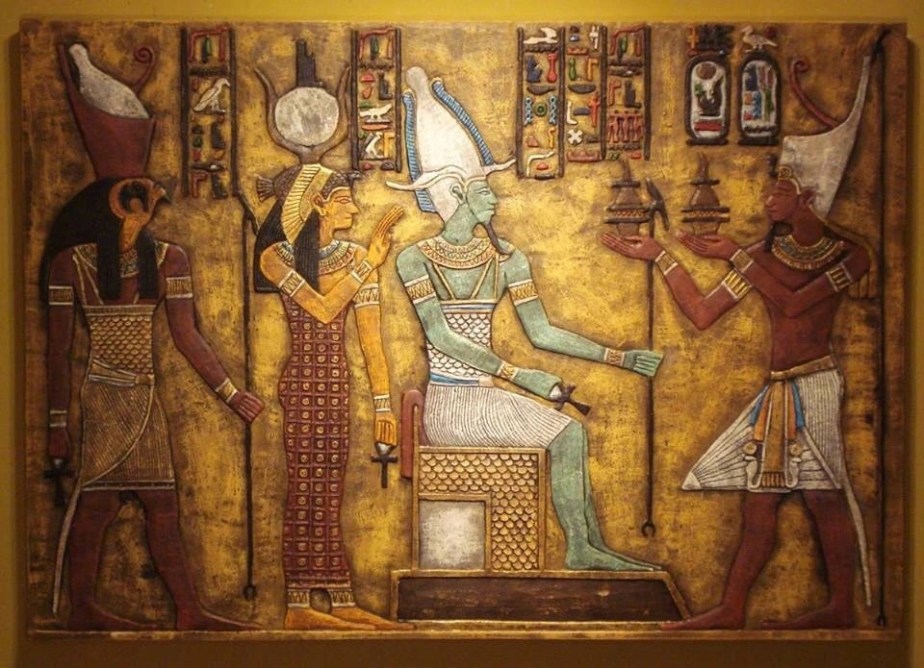
The month of Koiak (November) was the time to celebrate the Osirian Mysteries. For 3000 years, the chief sanctuaries of Osiris reenacted the epic story of Isis and Osiris. If you are familiar with this early myth, you know that Osiris was killed by his brother Seth, and hacked into fourteen pieces and thrown into the Nile. Upon learning of this dastardly deed, his wife Isis began her search for the remains of Osiris. Her grief was deep and dark and it carried her along the river for miles and miles. Wherever she found a body part, a temple was built in his name. It is thought that each temple celebrated the mysteries of Osiris in a different way depending on the body part found there. For thousands of years, these holy sites were extremely important for pilgrimage and worship…

#AncientEgypt #EgyptianMythology #Osiris #Isis #Seth

Antidepressants and Alcohol

It’s best to avoid combining antidepressants and alcohol. It may worsen your symptoms, and it can be dangerous. If you mix antidepressants and alcohol:

• You may feel more depressed or anxious. Drinking can counteract the benefits of your antidepressant medication, making your symptoms more difficult to treat. Alcohol may seem to improve your mood in the short term, but its overall effect increases symptoms of depression and anxiety.

• Side effects may be worse if you also take another medication. Many medications can cause problems when taken with alcohol — including anti-anxiety medications, sleep medications and prescription pain medications. Side effects may worsen if you drink alcohol and take one of these drugs along with an antidepressant.

• You may be at risk of a dangerous reaction if you take MAOIs. When combined with certain types of alcoholic beverages and foods, antidepressants called monoamine oxidase inhibitors (MAOIs) can cause a dangerous spike in blood pressure. If you take an MAOI, be sure you know what’s safe to eat and drink, and which alcoholic beverages are likely to cause a reaction.

• Your thinking and alertness may be impaired. The combination of antidepressants and alcohol will affect your judgment, coordination, motor skills and reaction time more than alcohol alone. Some combinations may make you sleepy. This can impair your ability to drive or do other tasks that require focus and attention.

• You may become sedated or feel drowsy. A few antidepressants cause sedation and drowsiness, and so does alcohol. When taken together, the combined effect can be intensified.

Don’t stop taking an antidepressant or other medication just so that you can drink. Most antidepressants require taking a consistent, daily dose to maintain a constant level in your system and work as intended. Stopping and starting your medications can make your depression worse.

While it’s generally best not to drink at all if you’re depressed, ask your doctor. If you have depression:

• You may be at risk of alcohol abuse. People with depression are at increased risk of substance abuse and addiction. If you have trouble controlling your alcohol use, you may need treatment for alcohol dependence before your depression improves.

• You may have trouble sleeping. Some people who are depressed have trouble sleeping. Using alcohol to help you sleep may let you fall asleep quickly, but you tend to wake up more in the middle of the night.

If you’re concerned about your alcohol use, you may benefit from substance abuse counseling and treatment programs that can help you overcome your misuse of alcohol. Joining a support group or a 12-step program such as Alcoholics Anonymous may help.

If you’re at low risk of addiction to alcohol, it may be OK to have an occasional drink, depending on your particular situation, but talk with your doctor.

Also, tell your doctor about any other health conditions you might have and any other medications you take, including over-the-counter medications or supplements. Keeping your doctor informed is important because:

• Some liquid medications, such as cough syrups, can contain alcohol

• As you age, your body processes medication differently and levels of medication in your body may need to be adjusted

• Adding a new medication may change the level of another medication in your body and how it reacts to alcohol

Sources: The Mayo Clinic, NAMI, NIH, NIMH

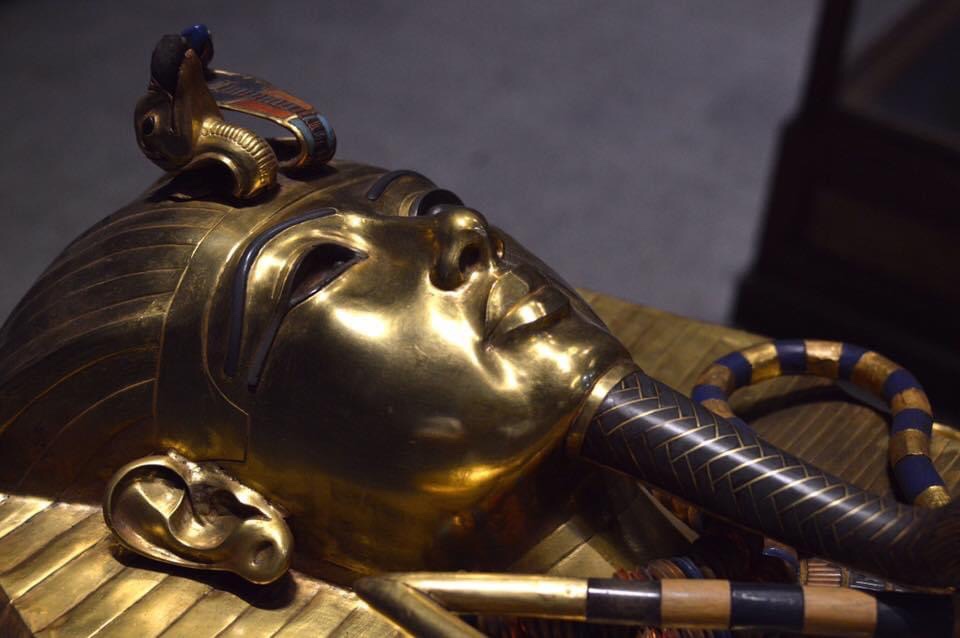
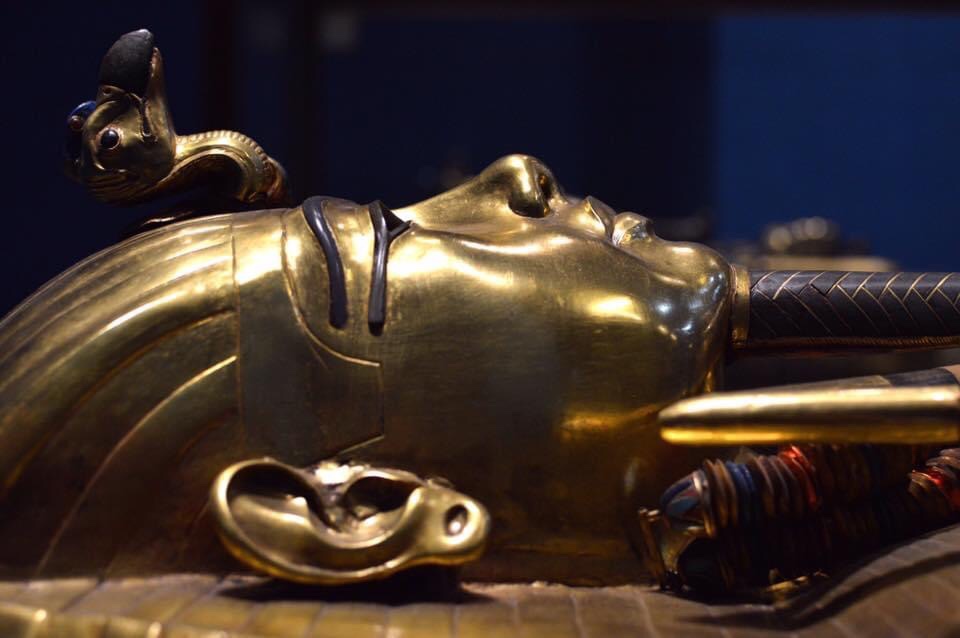
In 1915 Howard Carter Hired to Find Tutankhamun’s Tomb

In 1915, George Herbert, 5th Earl of Carnarvon, the financial backer of the search for and the excavation of Tutankhamun’s tomb in the Valley of the Kings, employed English archaeologist Howard Carter to explore it. After a systematic search, Carter discovered the actual tomb of Tutankhamun (KV62) on November 4th 1922.

On November 26, 1922, Carter and fellow archaeologist Lord Carnarvon entered the interior chambers of the tomb, finding them miraculously intact.

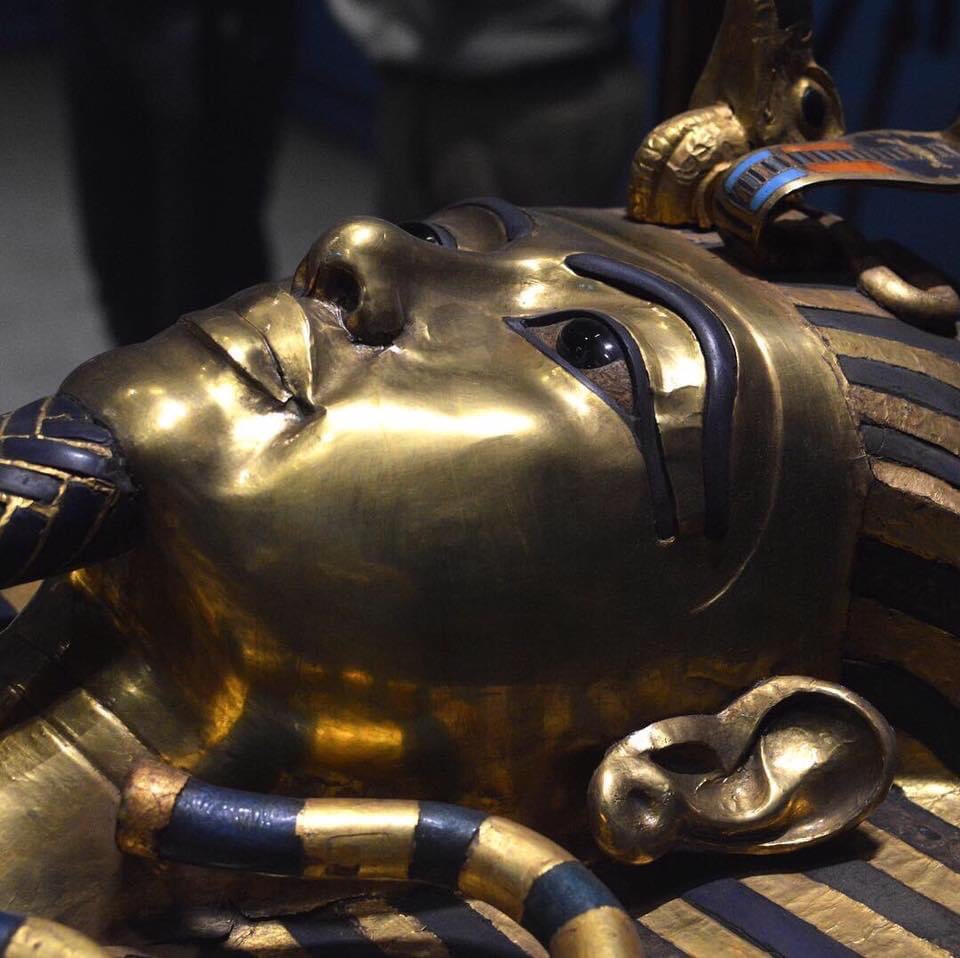
Thus began a monumental excavation process in which Carter carefully explored the four-room tomb over several years, uncovering an incredible collection of several thousand objects. The most splendid architectural find was a stone sarcophagus containing three coffins nested within each other. Inside the final coffin, which was made out of solid gold, was the mummy of the boy-king Tutankhamen, preserved for more than 3,000 years. Most of these treasures are now housed in the Cairo Museum.

Depression and the Gender Gap

Women are nearly twice as likely as men to be diagnosed with depression. Depression can occur at any age.

Some mood changes and depressed feelings occur with normal hormonal changes. But hormonal changes alone don’t cause depression. Other biological factors, inherited traits, and personal life circumstances and experiences are associated with a higher risk of depression. Here’s what contributes to depression in women.

Puberty

Hormone changes during puberty may increase some girls’ risk of developing depression. However, temporary mood swings related to fluctuating hormones during puberty are normal — these changes alone don’t cause depression.

Puberty is often associated with other experiences that can play a role in depression, such as:

• Emerging sexuality and identity issues

• Conflicts with parents

• Increasing pressure to achieve in school, sports or other areas of life

After puberty, depression rates are higher in females than in males. Because girls typically reach puberty before boys do, they’re more likely to develop depression at an earlier age than boys are. There is evidence to suggest that this depression gender gap may continue throughout the lifespan.

Premenstrual problems

For most females with premenstrual syndrome (PMS), symptoms such as abdominal bloating, breast tenderness, headache, anxiety, irritability and experiencing the blues are minor and short-lived.

But a small number of females have severe and disabling symptoms that disrupt their studies, jobs, relationships or other areas of their lives. At that point, PMS may cross the line into premenstrual dysphoric disorder (PMDD) — a type of depression that generally requires treatment.

The exact interaction between depression and PMS remains unclear. It’s possible that cyclical changes in estrogen, progesterone and other hormones can disrupt the function of brain chemicals such as serotonin that control mood. Inherited traits, life experiences and other factors appear to play a role.

Pregnancy

Dramatic hormonal changes occur during pregnancy, and these can affect mood. Other issues also may increase the risk of developing depression during pregnancy or during attempts to become pregnant, such as:

• Lifestyle or work changes or other life stressors

• Relationship problems

• Previous episodes of depression, postpartum depression or PMDD

• Lack of social support

• Unintended or unwanted pregnancy

• Miscarriage

• Infertility

• Stopping use of antidepressant medications

Postpartum depression

Many new mothers find themselves sad, angry and irritable, and experience crying spells soon after giving birth. These feelings — sometimes called the baby blues — are normal and generally subside within a week or two. But more-serious or long-lasting depressed feelings may indicate postpartum depression, particularly if signs and symptoms include:

• Crying more often than usual

• Low self-esteem or feeling like you’re a bad mom

• Anxiety or feeling numb

• Trouble sleeping, even when your baby is sleeping

• Problems with daily functioning

• Inability to care for your baby

• Thoughts of harming your baby

• Thoughts of suicide

Postpartum depression is a serious medical condition requiring prompt treatment. It occurs in about 10 to 15 percent of women. It’s thought to be associated with:

• Major hormonal fluctuations that influence mood

• The responsibility of caring for a newborn

• Predisposition to mood and anxiety disorders

• Pregnancy and birth complications

• Breast-feeding problems

• Infant complications or special needs

• Poor social support

Perimenopause and menopause

Risk of depression may increase during the transition to menopause, a stage called perimenopause, when hormone levels may fluctuate erratically. Depression risk may also rise during early menopause or after menopause — both times when estrogen levels are significantly reduced.

Most women who experience bothersome menopausal symptoms don’t develop depression. But these factors may increase the risk:

• Interrupted or poor sleep

• Anxiety or a history of depression

• Stressful life events

• Weight gain or a higher body mass index (BMI)

• Menopause at a younger age

• Menopause caused by surgical removal of the ovaries

Life circumstances and culture

The higher rate of depression in women isn’t due to biology alone. Life circumstances and cultural stressors can play a role, too. Although these stressors also occur in men, it’s usually at a lower rate. Factors that may increase the risk of depression in women include:

Unequal power and status. Women are much more likely than men to live in poverty, causing concerns such as uncertainty about the future and decreased access to community and health care resources. These issues can cause feelings of negativity, low self-esteem and lack of control over life.

Work overload. Often women work outside the home and still handle home responsibilities. Many women deal with the challenges of single parenthood, such as working multiple jobs to make ends meet. Also, women may be caring for their children while also caring for sick or older family members.

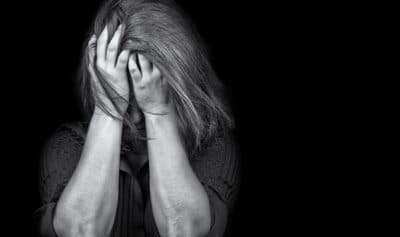
Sexual or physical abuse. Women who were emotionally, physically or sexually abused as children or adults are more likely to experience depression at some point in their lives than those who weren’t abused. Women are more likely than men to experience sexual abuse.

Other conditions that occur with depression

Women with depression often have other mental health conditions that need treatment as well, such as:

Anxiety. Anxiety commonly occurs along with depression in women.

Eating disorders. There’s a strong link between depression in women and eating disorders such as anorexia and bulimia.

Drug or alcohol misuse. Some women with depression also have some form of unhealthy substance use or dependence. Substance misuse can worsen depression and make it harder to treat.

Recognizing depression

Although depression might seem overwhelming, there’s effective treatment. Even severe depression often can be successfully treated. Seek help if you have any signs and symptoms of depression, such as:

• Ongoing feelings of sadness, guilt or hopelessness

• Loss of interest in things you once enjoyed

• Significant changes in your sleep pattern, such as trouble falling or staying asleep or sleeping too much

• Fatigue or unexplained pain or other physical symptoms without an apparent cause

• Problems concentrating or remembering things

• Changes in appetite leading to significant weight loss or weight gain

• Physical aches and pains

• Feeling as though life isn’t worth living, or having thoughts of suicide

Egyptian Gods & Goddesses Of The Great Ennead 

Egyptian Gods & Goddesses Of The Great Ennead 

The Ennead or Great Ennead was a group of nine deities in Egyptian mythology worshiped at Heliopolis: the sun god Atum; his children Shu and Tefnut; their children Geb and Nut; and their children Osiris, Isis, Set, and Nephthys. 

According to the creation story of the Heliopolitan priests, the world originally consisted of the primordial waters of precreation personified as Nun. From it arose a mound on the First Occasion. Upon the mound sat the self-begotten god Atum, who was equated with the sun god Ra. Atum evolved from Nun through self-creation. Atum either spat or masturbated, producing air personified as Shu and moisture personified as Tefnut. The siblings Shu and Tefnut mated to produce the earth personified as Geb and the nighttime sky personified as Nut.

Geb and Nut were the parents of Osiris and Isis and of Set and Nephthys, who became respective couples in turn. Osiris and Isis represent fertility and order, while Set and Nephthys represent chaos to balance out Osiris and Isis. Horus, the son of Osiris and Isis, is often included in this creation tradition.

 Atum —> Atum was the oldest of the creations gods worshipped by the Egyptians and they thought he existed before anything else. He created Nun, the celestial waters, and everything else through his thoughts. Thoth was Atum’s intelligence and put his creative thoughts into words to bring them to life. In the Book of the Dead, Atum was the setting sun and his images show him as a human wearing the double crown of Egypt.

 Shu —> was the husband of Tefnut and the father of Nut and Geb. He and his wife were the first gods created by Atum. Shu was the god of the air and sunlight or, more precisely, dry air and his wife represented moisture. He was normally depicted as a man wearing a headdress in the form of a plume, which is also the hieroglyph for his name. Shu’s function was to hold up the body of the goddess Nun and separate the sky from the earth. He was not a solar deity but his role in providing sunlight connected him to Ra. Indeed, he was one of the few gods who escaped persecution under the heretic king Akhenaten.

 Tefnut —> Tefnut was the wife of Shu and mother of Nut and Geb. She and her husband were the first gods created by Atum. She was the goddess of moisture or damp, corrosive air, and was depicted either as a lioness or as a woman with a lioness’s head.

 Geb —> was the father of Osiris, Isis, Seth, and Nephthys, and was a god without a cult. As an Earth god he was associated with fertility and it was believed that earthquakes were the laughter of Geb. He is mentioned in the Pyramid Texts as imprisoning the buried dead within his body.

 Nut —> was the mother of Osiris, Isis, Seth, and Nephthys, Nut is usually shown in human form; her elongated body symbolizing the sky. Each limb represents a cardinal point as her body stretches over the earth. Nut swallowed the setting sun (Ra) each evening and gave birth to him each morning. She is often depicted on the ceilings of tombs, on the inside lid of coffins, and on the ceilings of temples.

 Osiris —> Osiris was originally a vegetation god linked with the growth of crops. He was the mythological first king of Egypt and one of the most important of the gods. It was thought that he brought civilization to the race of mankind. He was murdered by his brother Seth, brought back to life by his wife Isis, and went on to become the ruler of the underworld and judge of the dead.

 Isis —> A very important figure in the ancient world, Isis was the wife of Osiris and mother of Horus. She was associated with funeral rites and said to have made the first mummy from the dismembered parts of Osiris. As the enchantress who resurrected Osiris and gave birth to Horus, she was also the giver of life, a healer and protector of kings.

 Set —> Also known as Seth, Setekh, Suty and Sutekh. Set was the son of Geb and Nut, and the evil brother of Osiris. He was the god of darkness, chaos, and confusion, and is represented as a man with an unknown animal head, often described as a Typhonian by the Greeks who associated him with the god Typhon. He is sometimes depicted as a hippopotamus, a pig, or a donkey. Seth murdered his brother and usurped the throne of Egypt and most of the other gods despised him.

 Nephthys —> Daughter of Geb and Nut, sister of Isis, wife of Seth and mother of Anubis, Nephthys is depicted as a woman with the hieroglyphs for a palace and ‘Neb’ (a basket) on her head. She is thus known as “Lady of the Mansions” or “Palace.” Nephthys was disgusted by Seth’s murder of Osiris and helped her sister, Isis, against her husband, Seth. Together with Isis she was a protector of the dead, and they are often shown together on coffin cases, with winged arms. She seems to have had no temple or cult center of her own.