With God On Our Side – Bob Dylan

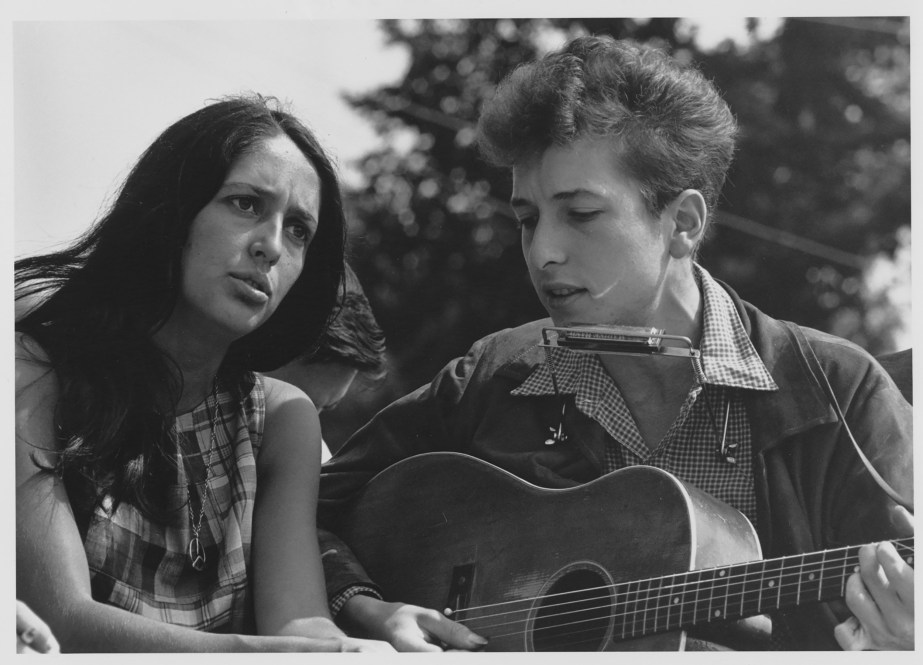
Bob Dylan / 7:08

Musician: Bob Dylan: vocals, guitar, harmonica

Recording Studio: Columbia Recording Studios / Studio A, New York: August 6 and 7, 1963

The melody of “With God on Our Side” closely resembles that of “The Patriot Game,” a song written by Dominic Behan, a songwriter fighting alongside the IRA (Irish Republican Army). Its title explicitly refers to St. Paul’s Epistle to the Romans: “If God is for us, who can be against us?”

Based on St. Paul’s teaching, the lyrics radically questioned American history and, beyond that, all wars of the last century. The message was clear: if you believed the history books, the nations that triumphed were those that supposedly had God on their side. “Oh the history books tell it / They tell it so well / The cavalries charged / The Indians fell / The cavalries charged / The Indians died / Oh the country was young / With God on its side,” Dylan sang.

Surely, Dylan condemned those who claimed divine intervention to justify their murderous missions—who were, at the same time, those who wrote history. Did the Yankees have God on their side when they defeated the Confederates? The songwriter recalled a few facts that obscured the official discourse. The lines “Though they murdered six million / In the ovens they fried / The Germans now too / Have God on their side” let us understand that Germany, twenty years after World War II, was now on the side of freedom, under the benevolent influence of the United States. Then in the second to last verse, Dylan forced the listener to take sides concerning “That Jesus Christ / Was betrayed by a kiss / But I can’t think for you / You’ll have to decide / Whether Judas Iscariot / Had God on his side.” Once again, the criticism stung: it was addressed not so much to religious congregations as to political leaders and opinion makers who carried out wars in the name of God.

Oh my name it ain’t nothin’

My age it means less

The country I come from

Is called the Midwest

I was taught and brought up there

The laws to abide

And that land that I live in

Has God on its side


Oh, the history books tell it

They tell it so well

The cavalries charged

The Indians fell

The cavalries charged

The Indians died

Oh, the country was young

With God on its side


The Spanish-American

War had its day

And the Civil War, too

Was soon laid away

And the names of the heroes

I was made to memorize

With guns in their hands

And God on their side


The First World War, boys

It came and it went

The reason for fighting

I never did get

But I learned to accept it

Accept it with pride

For you don’t count the dead

When God’s on your side


The Second World War

Came to an end

We forgave the Germans

And then we were friends

Though they murdered six million

In the ovens they fried

The Germans now, too

Have God on their side


I’ve learned to hate the Russians

All through my whole life

If another war comes

It’s them we must fight

To hate them and fear them

To run and to hide

And accept it all bravely

With God on my side


But now we got weapons

Of chemical dust

If fire them, we’re forced to

Then fire, them we must

One push of the button

And a shot the world wide

And you never ask questions

When God’s on your side


Through many a dark hour

I’ve been thinkin’ about this

That Jesus Christ was

Betrayed by a kiss

But I can’t think for you

You’ll have to decide

Whether Judas Iscariot

Had God on his side.


So now as I’m leavin’

I’m weary as Hell

The confusion I’m feelin’

Ain’t no tongue can tell

The words fill my head

And fall to the floor

That if God’s on our side

He’ll stop the next war

Source: Bob Dylan: All The Songs
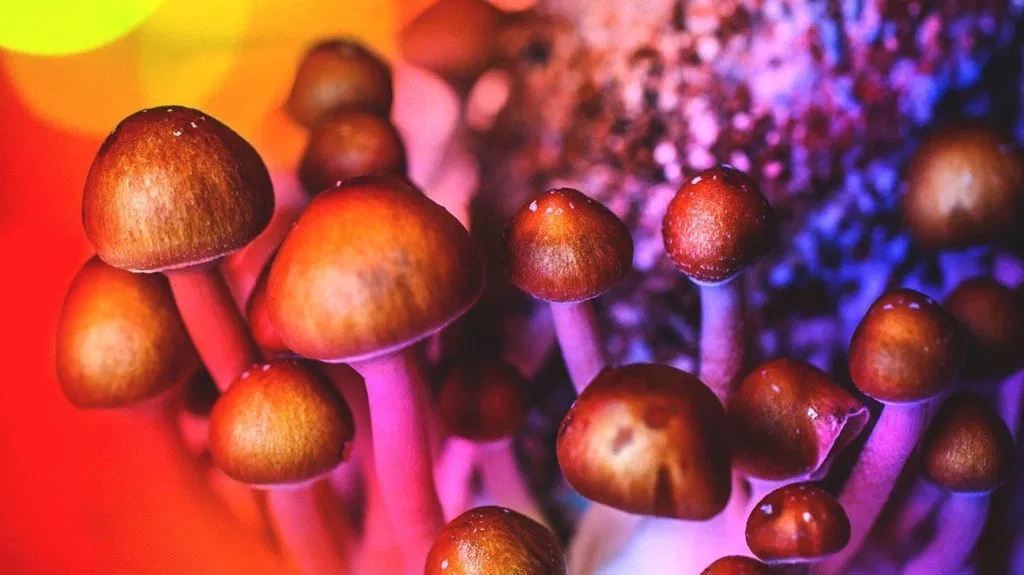
Psilocybin

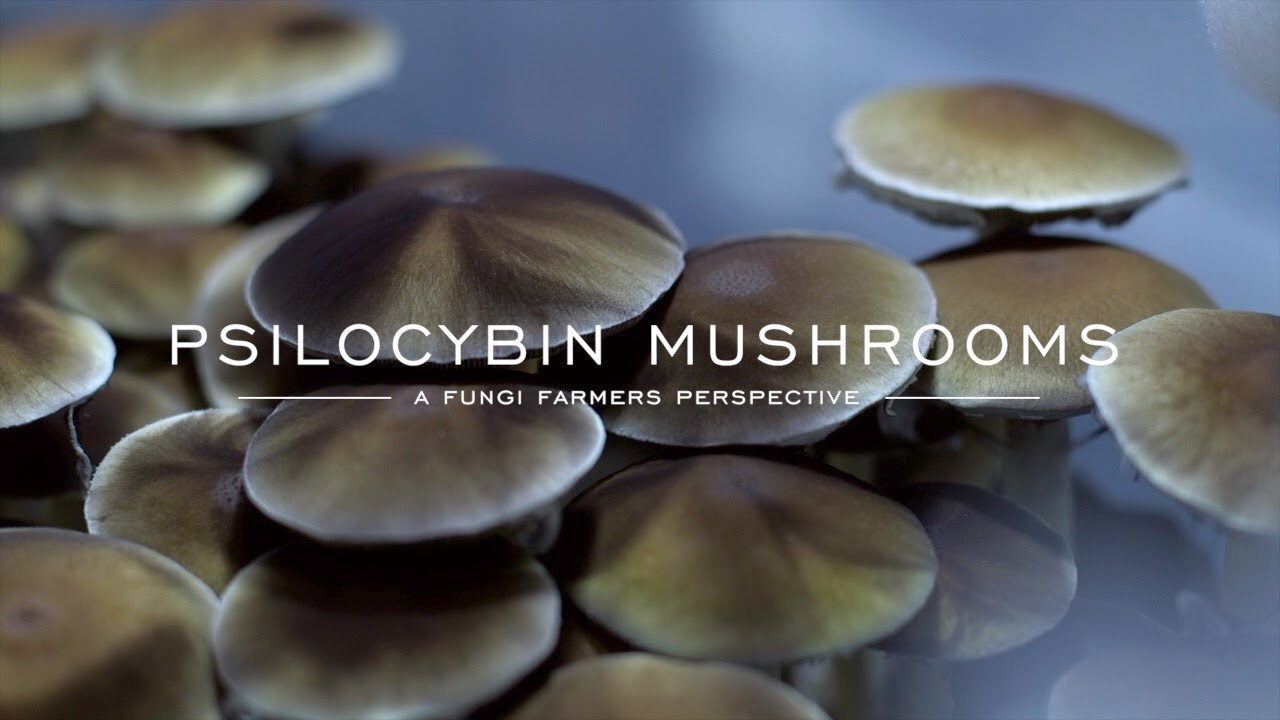
Psilocybin, like mescaline, is extracted from a plant. Psilocybin is extracted from Psilocybe mexicana, a small mushroom that grows in wet or marshy pastures. Other species of mushrooms which have psychedelic qualities are: Conocybe siliginoides, Psilocybe aztecorum, P. zapotecorum, P. caerulescens, and Stropharia cubenis.

Psilocybin, like peyote, was and is still used to a small degree in the religious rites of the Mexican Indians. It was referred to as teonanactl, or in English as God’s flesh. The Indians usually eat between 10 and 15 mushrooms, which, like peyote, have a very unpleasant acrid smell. Usually nausea follows ingestion. The effects of psilocybin last for about five to seven hours.

When you take the actual raw mushrooms, the dosage is about 10 to 20 medium-sized buttons. A faster method of ingestion is to prepare a soup, using any regular mushroom soup recipe. Although this tends to increase the speed in which the psilocybin enters the blood stream, it also increases the unpleasant taste and smell. When taking synthesized psilocybin, usually a capsule of between 20 and 60 milligrams will produce a four- to six-hour trip.

Sources: The Anarchist Cookbook,

Cambia – Louisa, Virginia

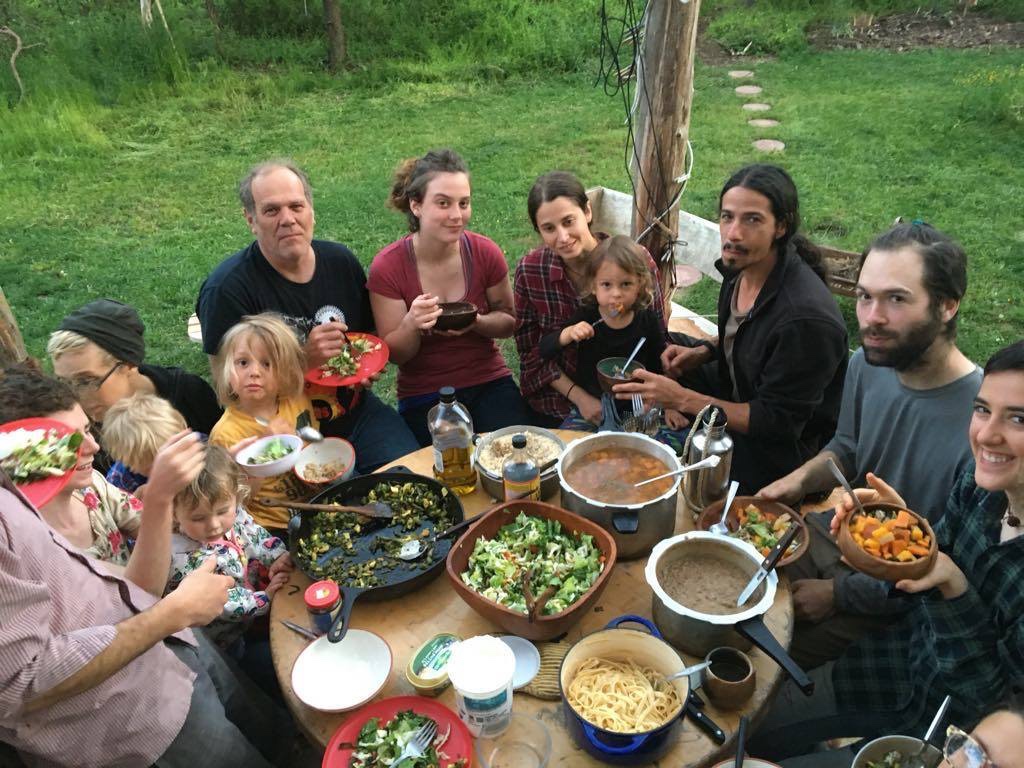
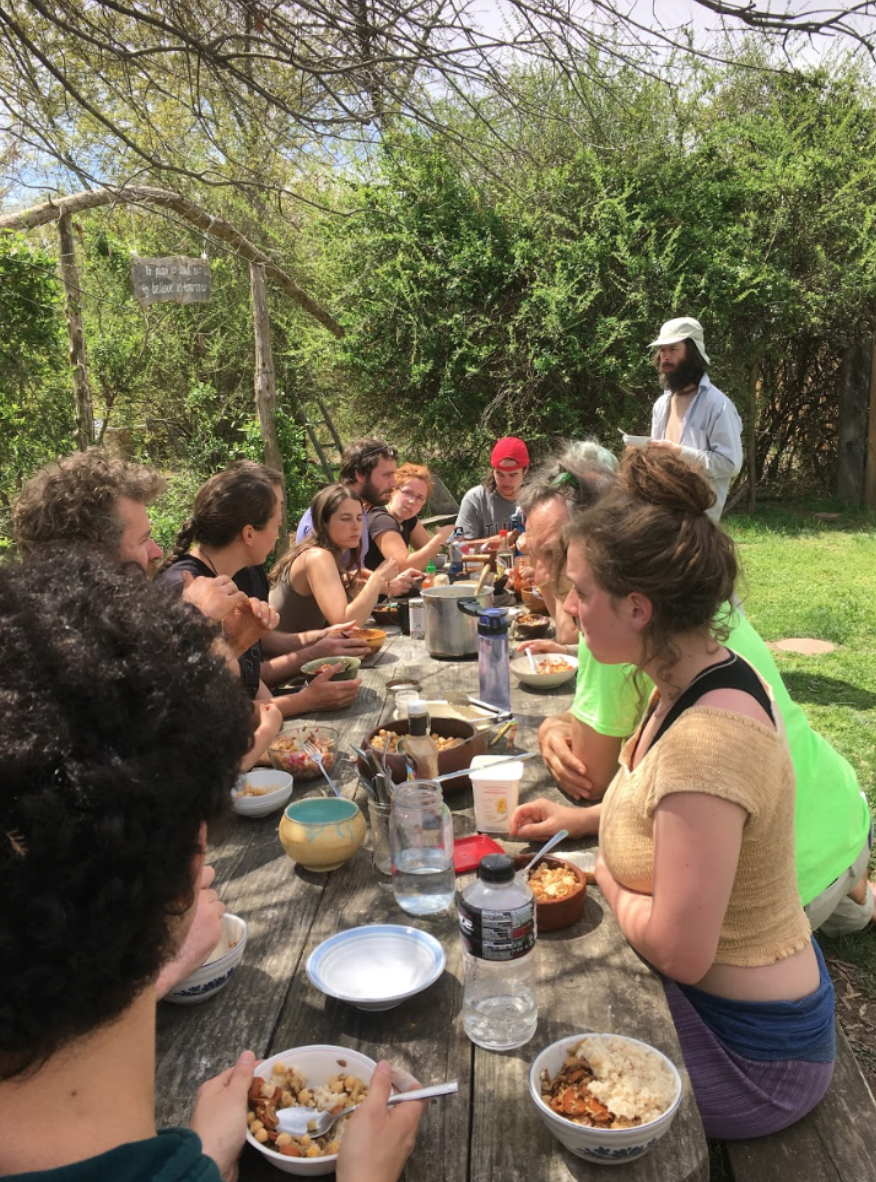
We are forming an egalitarian and income-sharing community. We are co-creating a culture of social sustainability and harmony that nourishes us as well as the earth.

“whatever makes a house into a home
makes a game into play
and makes culture come to life.
but home, play and culture,
strain to grow without a structure.”

Established: 2015

Shared Income: All or Close to All

Mission Statement: We aspire for a small and stable community with a high level of sharing and connection. We are inspired by the nature around us as we attempt to create human habitat that emulates the beauty and complexity of living systems. We seek to intertwine reason and intuition, aesthetics and efficiency. We are interested in increasing our skills and education through experience, mentorship, sharing and study, and growing as individuals. Within a thriving cluster of neighboring income sharing communities, we are creating a viable, regenerative alternative to the mainstream. We intend to strengthen the relationships between existing communities.

Community Description: We are forming an egalitarian and income sharing community. We are co-creating a culture of social sustainability and harmony that nourishes us as well as the earth. We focus on re-humanizing the scale of our lives. We do that with slower pace, balance in our lives, deep social connection, natural building, education, creativity, and intuitive structure to our time and space. While we are focused on interpersonal and cultural aspects of our community, we are interested in building small, beautiful, natural housing, doing our best to be ecologically conscious, using new and old technologies, and upholding values of minimalism. We want to continually learn about what works in community and do our best to integrate our lessons into our lifestyle. We are planning educational programs in subjects including experiential natural building workshops, off grid technologies, crafts, and nature awareness. We are working on understanding what makes communities thrive through sociological research.

Setting: Cambia is nestled within 15 acres, with about 5 of which is mostly a thicket of young scrubby vegetation and about 10 acres of mature (80 year old or so) forest. we have a small old house (over 100 years old) that we are restoring and currently using as our common house, it has our kitchen and living room and two bedrooms.

Personal dwellings are small and modest. We have a garden shed that’s converted to a duplex, a cozy sailboat with a deck, a fantastic vintage air stream trailer that’s completely remodeled inside, and a building that we built which we call “the barn” (due to lack of better names) which has a workshop, guest space, residence, and a sacred space for gathering and meditation.

Daily Schedule

7:30: Optional meditation, morning quiet time, breakfast.
9am: Coordination meeting 
9:15: Priority Projects at Cambia and income work
1pm: Lunch
2pm: Personal and greater awesomeness projects
6:30pm: Dinner
8:30pm: Shared evening activities (3 or 4 days/week including writing group, cuddle puddles, listening to audiobooks, heart circle ceremony, singing)

Saturdays are our day off.

Faith:

  • Buddhist
  • Jewish
  • Paganism or Earth Religions
  • Atheist

Bayboro Community -St. Petersburg, Florida

“Faith expressly signifies the deep, strong, blessed restlessness that drives the believer forward so that he cannot settle down… A believer cannot sit still as one sits with a pilgrim’s staff in one’s hand. A believer travels forward.”

~ Soren Kierkegaard

  • Status: Established
  • Started Planning:2006
  • Started Living Together: 2006
  • Visitors Accepted:Yes
  • Open to New Members: Yes
  • Shared Income: All or Close to All

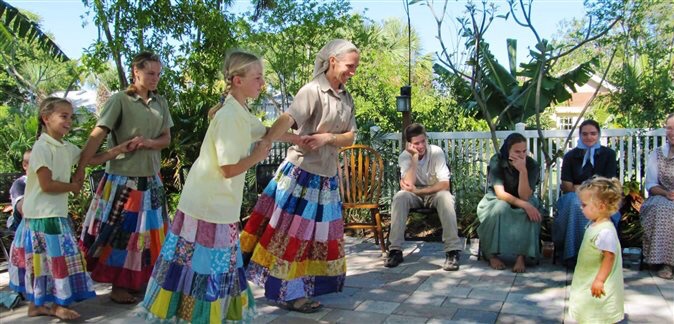
About: We are a small, relatively new community – a mix of families with small children, singles, and college students – in an urban coastal neighborhood on Tampa Bay. We founded this location at a time when we were seeking different expressions of communal living, and being in the South and on the coast is a new experience for us. The students living with us attend various area schools, including the University of South Florida, St. Petersburg; St. Petersburg College; and Pinellas Technical College.

Bayboro House, the first Bruderhof in Florida, is right on Tampa Bay in St. Petersburg. Founded in 2006, Bayboro is home to about twenty-five people, including university students, families, and children.

Setting: We have a large waterfront house that serves as our main accommodation and gathering space. Built in 1905, it features deep porches where we can sit and look at the bay. The lot, which is flat and has beautiful tropical landscaping, has six other smaller buildings. Though our house is on the coast, we are very much a part of our wider urban community.

Connecting with Neighbors: Friends and neighbors often drop by for visits throughout the week. Each month we help sponsor a meeting for many of the families in our area to discuss neighborhood issues. We reach out to the diverse faith communities here and have lively discussions about faith and how to put it into practice.

Point of Interest: We get to see a beautiful sunrise every morning, and we enjoy nearly 365 days of sunshine a year. You’ll often find us boating or kayaking on the bay, and we like to catch our own fish and seafood to eat.

Faith: Christian. We practice adult baptism. We are also pacifists and conscientious objectors. While we love our countries and countrymen, our faith transcends political and nationalistic affiliations.

Website: https://www.bruderhof.com/en/where-we-are/united-states/bayboro

Drug and Drinking Cultures

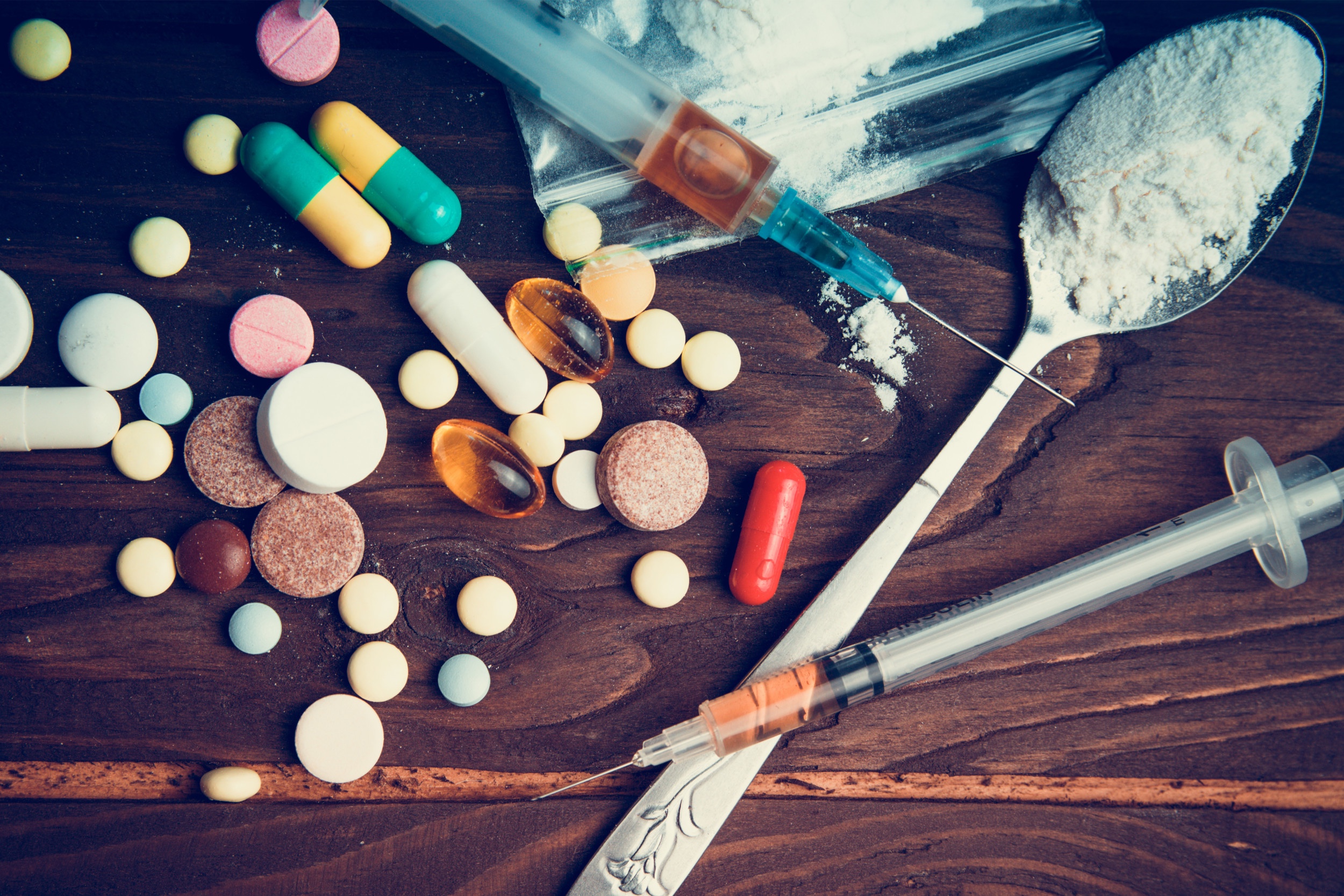
Drug culture is a subculture of popular culture, it represents the principles, patterns, physicality, hierarchy and behavior within a group of individuals with substance use disorders. We see drug culture in various movies, television shows, music, etc. Drug culture has a hierarchy, dependent on your role in the community of drug users; you can be a drug synthesizer, supplier, dealer, and user. Drug culture is made up of socialization, values, rules, gender roles and relationships, symbols and images, dress, language and communication, and attitudes. In addition to drug cultures, there are also drinking cultures. Think college sororities and fraternities, where it is a part of their culture to drink in massive quantities, supports binge drinking, reinforces denial, develops rituals and customary behaviors around drinking (Center for Substance Abuse Treatment).

Many people turn to subcultures like drug and drinking cultures as a source of social support and cultural activities that make these people feel like they belong somewhere, or “fit in.” The danger of subcultures like these is the toleration and promotion of harmful activities like using drugs and alcohol to socialize. Socializing no longer becomes the objective, but using drugs and alcohol together becomes the objective— with socialization being an after effect. A lot of anti-social behavior is supported, which includes: opposition to authority, rule-breaking, defiance, and destructive acts, among other behaviors. Many further specified subcultures can stem from the broader drug or alcohol culture.

“The need for social acceptance is a major reason many young people begin to use drugs, as social acceptance can be found with less effort within the drug culture” (Center for Substance Abuse Treatment).

Drug culture also holds its own style of communication and language. Common phrases within drug culture include:

• “picking up”- meaning that you are getting more drugs

• “shoot it”- referring to using a drug intravenously

• “chasing the dragon”- trying to get to a certain level of high that is reminiscent of the first high

• “light up”- smoking a drug

• “rail it”- refers to snorting a drug

• “re-up”- getting more of a drug

• “dope sick”- meaning you are experiencing withdrawal symptoms

• “snap crackle pop”- reference to the drug crack

• “bundle”- a 10 bag supply of heroin

• “rig” or “works”- meaning a needle

• “nodding out”- refers to a state of going in and out of consciousness

Other phrases in drug culture are slang terms for different drugs, slang terms for the dollar amount of a drug, and other language. The communication style in drug culture is dependent on who you are talking to, it is common to be short and to-the-point when communicating with a dealer and more social with other friends within the same drug culture.

Sources: Royal Life Centers

Rebirth of American Communes

The United States has a storied history of communal living attempts, from George Ripley’s Brook Farm utopia in the 1840s to Vermont’s back-to-the-land experiments in the 1960s, many of which failed. Today, however, “intentional living” is being reborn. Last year, the health care provider Cigna concluded that loneliness had reached “epidemic levels,” and with the dream of homeownership increasingly out of reach, many young people have sought out new ways to live and work. Co-working spaces like WeWork are booming. Co-housing settlements—which were founded in Scandinavia in the 1970s—are also springing up. (The United States now has around 170 such communities.) All told, the number of ecovillages, co-housing settlements, residential land trusts, communes, and housing cooperatives listed in the Foundation for Intentional Community’s global directory nearly doubled between 2010 and 2016, from 679 to about 1,200.

The Wall Street Journal once called the Farm “the General Motors of American Communes.” Its founder, Stephen Gaskin, was a charismatic creative writing instructor from California who had, while tripping on LSD, developed a philosophy one of his followers described as “Beat Zen and Buddhist economics.” Gaskin believed that America should return to natural living; chemical contraception and abortion, he said, were “damaging to the fabric of society.” In 1971, he and 300 hippies set out from San Francisco in search of a place to form an agrarian commune and “get it on with the dirt.” They eventually settled in central Tennessee. At first, they lived in teepees, Army tents, and the school buses they had driven out from California, avoiding birth control, makeup, coffee, meat, alcohol, violence, and haircutting. Everyone took a formal vow of poverty and forfeited their possessions.

Those who have stayed believe they can develop a vision for the future that builds off the Farm’s founding ideas: sustainability, and the desire to live in peaceful cooperation. “We realize that there is no viable way to start a full commune within a capitalist society right now,” Beyer said. “What we can do is slowly leverage our way out of it.” The Farm’s millennials are eager to try something radical again, but they have learned from the past generation that working within the systems of the outside world can be as important as working to build their own inside.

Sources: The New Republic, Chris Moody

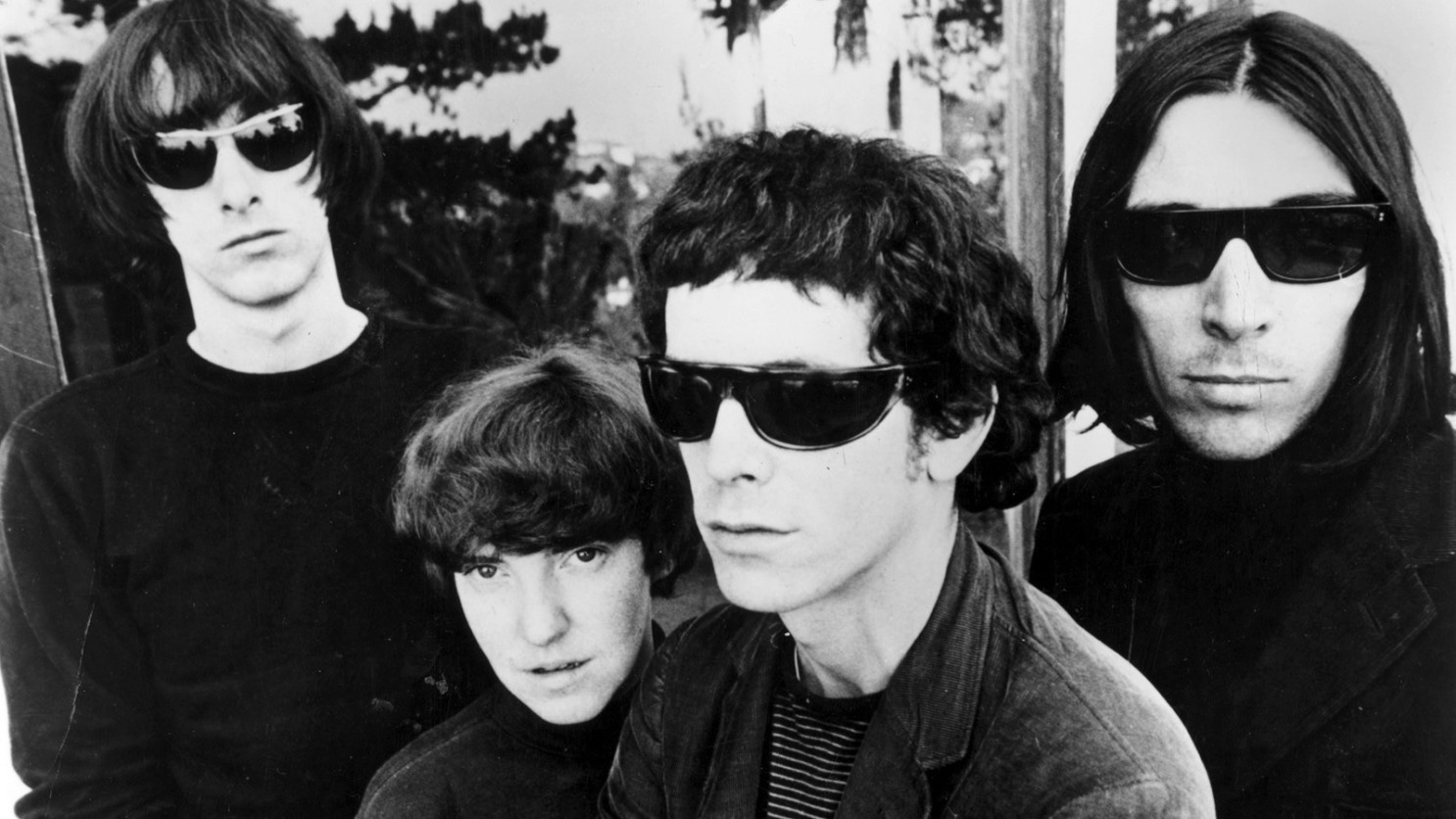
Heroin by The Velvet Underground

Heroin by the Velvet Underground is a prime example of pop culture, in this case music, glorifying illegal drugs and addiction:

I don’t know just where I’m going,

But I’m gonna try for the kingdom if I can,

‘Cause it makes me feel like I’m a man

When I put a spike into my vein,

And I’ll tell ‘ya, things aren’t quite the same,

When I’m rushin’ on my run,

And I feel just like Jesus’ son,

And I guess that I just don’t know,

And I guess that I just don’t know.


I have made the big decision:

I’m gonna try to nullify my life.

‘Cause when the blood begins to flow,

When it shoots up the dropper’s neck,

When I’m closing in on death,

And you can’t help me now, you guys,

And all you sweet girls with all your sweet talk,

You can all go take a walk.

And I guess that I just don’t know,

And I guess that I just don’t know.


I wish that I was born a thousand years ago

I wish that I’d sail the darkened seas,

On a great big clipper ship,

Going from this land here to that,

In a sailor’s suit and cap,

Away from the big city

Where a man can not be free

Of all of the evils of this town,

And of himself, and those around.

Oh, and I guess that I just don’t know.

Oh, and I guess that I just don’t know.


Heroin, be the death of me.

Heroin, it’s my wife and it’s my life,

Because a mainer to my vein

Leads to a center in my head,

And then I’m better off than dead

Because when the smack begins to flow,

I really don’t care anymore


About all the Jim-Jim’s in this town,

And all the politicians makin’ busy sounds,

And everybody puttin’ everybody else down,

And all the dead bodies piled up in mounds,

‘Cause when the smack begins to flow,

Then I really don’t care anymore.


Ah, when the heroin is in my blood,

And that blood is in my head,

Then thank God that I’m as good as dead,

Then thank your God that I’m not aware,

And thank God that I just don’t care,

And I guess I just don’t know,

And I guess I just don’t know.

Slang for Illegal Drug Combinations

  • 3M—Mescaline, mushrooms (psilocybin) and Molly (crystal Ecstasy)
  • A-bomb or atom bomb—Marijuana mixed with heroin
  • Amp joint—Marijuana cigarette laced with some form of narcotic
  • B-40—Cigar laced with marijuana and dipped in malt liquor
  • Back to back—Abuse of heroin followed by crack cocaine or vice versa
  • Banana split—Combination of the synthetic 2C-B with other illegal drugs,
    especially LSD
  • Banano—Marijuana or tobacco cigarettes doctored with cocaine
  • Bars—Heroin mixed with alprazolam/Xanax
  • Basuco—Incompletely refined cocaine paste sprinkled on a marijuana cigarette
  • Bazooka—Combination of crack cocaine or unrefined cocaine and marijuana
  • Beam me up, Scottie—Cocaine combined with PCP
  • Bipping—Snorting heroin and cocaine, either simultaneously or close together
  • Black Russian—Hashish and opium
  • Buda—High-grade marijuana with crack cocaine added
  • Bumping up—Combining Ecstasy with powder cocaine
  • C & M—Cocaine and morphine
  • Canade—Heroin and marijuana used together
  • Candy blunt—Marijuana-filled cigar (blunt) dipped in cough syrup
  • Candy flipping—Using LSD and Ecstasy together
  • Candy flipping on a string—Combining LSD and Ecstasy or LSD, Ecstasy and cocaine either all at once or in sequence
  • Capsizing—PCP and MDMA
  • Caviar—Cocaine and marijuana
  • Cheese—A mix of black tar heroin and diphenhydramine (most commonly found in Tylenol PM)
  • Chasing the dragon—Crack cocaine and heroin
  • Chips—Tobacco or marijuana cigarettes treated with PCP
  • Chronic—Marijuana mixed with crack
  • Clicker—Crack mixed with PCP or a marijuana cigarette treated with dipped in formaldehyde before smoking
  • Cocktail—Combination of crack and marijuana
  • Cocoa Puffs—Cocaine and Marijuana smoked together
  • Crackers—Talwin (narcotic painkiller) and Ritalin
  • Crescent roll—Marijuana laced with cocaine
  • Crisscrossing—Snorting a line of cocaine along with a line of heroin
  • Crunk—Getting high and drunk at the same time.
  • Diablito—Crack cocaine and marijuana in a joint
  • Dipped joints—Marijuana combined with PCP and formaldehyde
  • Dirties/Dirty joints—Marijuana mixed with powder cocaine
  • Donk—Marijuana and PCP
  • Draf—Ecstasy with cocaine
  • Dragon rock—Heroin and crack mixed together
  • Dust—Marijuana mixed with various other drugs such as cocaine, heroin or PCP
  • Dynamite—Cocaine mixed with heroin
  • Eightball—Crack cocaine and heroin
  • El diablito—Cocaine, marijuana, heroin and PCP
  • El diablo—Cocaine, marijuana and heroin
  • Elephant flipping—Use of PCP and Ecstasy with animal anesthetic ketamine
  • Ethan—LSD and cocaine
  • Fire—Crack and methamphetamine
  • Five-way—Snorting heroin, cocaine, methamphetamine, and Rohypnol while also drinking alcohol
  • Flamethrowers—Regular cigarettes treated with cocaine and heroin
  • Flower flipping—Ecstasy and mushrooms used together
  • Frisco special/Frisco speedball—Cocaine, heroin, and LSD
  • Fry/Fry sticks—Marijuana cigarettes dipped in embalming fluid or PCP
  • Fry daddy—Crack and marijuana mixed and smoked
  • Geek-joints—A marijuana cigarette with crack or powdered cocaine added
  • Gimmie—Crack and marijuana mixed together
  • Goofball—Cocaine and heroin
  • Greek—Marijuana and powder cocaine
  • H & C—Heroin and cocaine
  • H-bomb—Ecstasy and heroin
  • Handlebars—Combination of crack cocaine and alprazolam (Xanax)
  • Happy stick—Marijuana and PCP in a cigarette
  • He-she—Heroin mixed with cocaine
  • Herb and al—Marijuana and alcohol
  • Hippie flip—Use of mushrooms (psilocybin) and Ecstasy
  • Houston cocktail—Hydrocodone, a benzodiazepine like Valium or Xanax, and Soma/carisoprodol
  • Hugs and kisses—Combination of methamphetamine and Ecstasy
  • Illie/illy—Marijuana dipped in liquid PCP or embalming fluid and then dried
  • Jedi flip—Mushrooms, LSD, and Ecstasy
  • Jet fuel—PCP use combined with methamphetamine
  • Jim Jones—Marijuana treated with cocaine and PCP
  • Joy stick—Marijuana treated with PCP
  • Juice joint—Marijuana cigarette sprinkled with crack
  • Karachi—Heroin, phenobarbital (a sleeping drug), and methaqualone (depressant)
  • Killer weed—Marijuana and PCP
  • Kitty Bending—Ketamine and benzodiazepines (Xanax, Valium)
  • Kitty Boosting—Amphetamine and ketamine
  • Kitty Flipping—Ketamine and Ecstasy
  • Kitty Tripping—Ketamine and LSD
  • Lace—Cocaine and marijuana
  • Las Vegas cocktail—Hydrocodone and a benzodiazepine like Valium or Xanax
  • LBJ—Heroin plus LSD and PCP
  • Liprimo—Marijuana and crack mixed and formed into a cigarette
  • Love boat—Marijuana dipped in formaldehyde; a cigar refilled with marijuana
    and then dipped in liquid PCP; cigar refilled with marijuana that has heroin added
  • Love flipping—Mescaline and Ecstasy
  • Lucky flip—Ecstasy and synthetic 2C-T-7
  • Love trip—Mescaline and Ecstasy
  • Lovelies—Marijuana treated with PCP
  • Methball—methamphetamine and heroin mixed in one syringe
  • Missile basing—Crack and PCP
  • Moonrock—Crack and heroin
  • Murder one—Heroin and cocaine
  • Neon Nod—LSD and heroin
  • Nexus flipping—Nexus (the synthetic 2-CB) and MDMA
  • Nox—Nitrous oxide and MDMA
  • Octane—PCP laced with gasoline
  • On the ball—Ecstasy particles added to a bag of heroin
  • One and ones—Talwin (narcotic painkiller) and Ritalin
  • Oolies—Marijuana cigarettes laced with crack
  • Ozone—Cigarette containing marijuana, PCP and crack cigarette
  • P-dogs—Cocaine and marijuana
  • P-funk—Crack plus PCP
  • Pancakes and syrup—Glutethimide (hypnotic drug) and codeine cough syrup
  • Parachute—Smoking crack and PCP; smoking crack and heroin
  • Parachute down—Using Ecstasy when coming down off heroin
  • Party and play—Methamphetamine together with Ecstasy and Viagra
  • Party pack—The synthetic 2C-B plus other illicit drugs, particularly Ecstasy
  • Pharming—Mixing prescription drugs
  • Piggybacking—Simultaneous injecting two drugs; using Ecstasy sequentially to maintain the high
  • Pikachu—Pills containing PCP and Ecstasy
  • Polo—Heroin and dimenhydrinate (Dramamine)
  • Poor man’s heroin—Narcotic painkiller Talwin and Ritalin, injected
  • Poro—Heroin plus PCP
  • Primos—Marijuana joints treated with crack cocaine
  • Quiktrip—Methamphetamine and psilocybin
  • Red rock opium/Red rum—Heroin, sleeping pills, strychnine and caffeine
  • Ritz and Ts—Ritalin and Talwin, injected
  • Robo flipping—Ecstasy and dextromethorphan (cough medication)
  • Rompums—Marijuana with Xylazine or other horse tranquilizers
  • Sandwich—Two layers of cocaine with a layer of heroin in the middle
  • Scramble—Low purity heroin plus crack cocaine
  • Screwball—Heroin and methamphetamine
  • Serial speedballing—Sequencing cocaine, cough syrup, and heroin over period of days
  • Shabu—Powder cocaine and methamphetamine
  • Sherman stick—Crack cocaine with marijuana in a blunt (refilled cigar)
  • Smoking gun—Heroin and cocaine
  • Snowcone—Amphetamine and weed smoked together
  • Snow seals—Cocaine and amphetamine
  • Space base/Space blunt—Crack dipped in PCP; refilled cigar with PCP and crack
  • Space cadet/Space dust—Crack dipped in PCP
  • Speedball—Cocaine and heroin; may also refer to methylphenidate (Ritalin) mixed with heroin
  • Speedboat—Methamphetamine, PCP, heroin and cocaine or marijuana, PCP and crack smoked together
  • Speedkitten—Methamphetamine and ketamine
  • Speedies—Ecstasy adulterated with amphetamine
  • Spill—Speed and an ecstasy pill in the same line to be snorted
  • Splitting—Rolling marijuana and cocaine into a single joint
  • Spoke—Speed, crushed Ecstasy pill and coke in the same line to be snorted
  • Squirrel—PCP and marijuana that is laced with cocaine and smoked
  • Stupor stoning—Drinking alcohol while smoking marijuana
  • Sugar flipping—Ecstasy and cocaine
  • Super grass—Marijuana treated with PCP
  • Super X—Methamphetamine and Ecstasy
  • Tar—Smoking crack and heroin
  • Tipsy flipping—Alcohol and Ecstasy
  • Torpedo—Marijuana and crack
  • Troll—LSD and MDMA
  • Twisters—Crack and methamphetamine
  • Waffle dust—Ecstasy and amphetamine
  • Wet/Wet sticks—Marijuana cigarettes soaked in PCP or formaldehyde and dried
  • Whack—Heroin and PCP; Crack and PCP
  • Wicky—Powder cocaine, PCP and marijuana
  • Wild cat—Methcathinone (synthetic similar to methamphetamine) mixed with cocaine
  • Wollie/Woo—Adding crack rocks to a marijuana cigarette
  • Woola blunt/Woolah- Marijuana and heroin in a refilled cigar
  • Woolas—Crack sprinkled on marijuana cigarette
  • Woolie—Marijuana and heroin; marijuana and crack cocaine; marijuana and PCP
  • Woolies—Marijuana and crack or PCP
  • Yerba mala—PCP and marijuana

Graffiti Terms

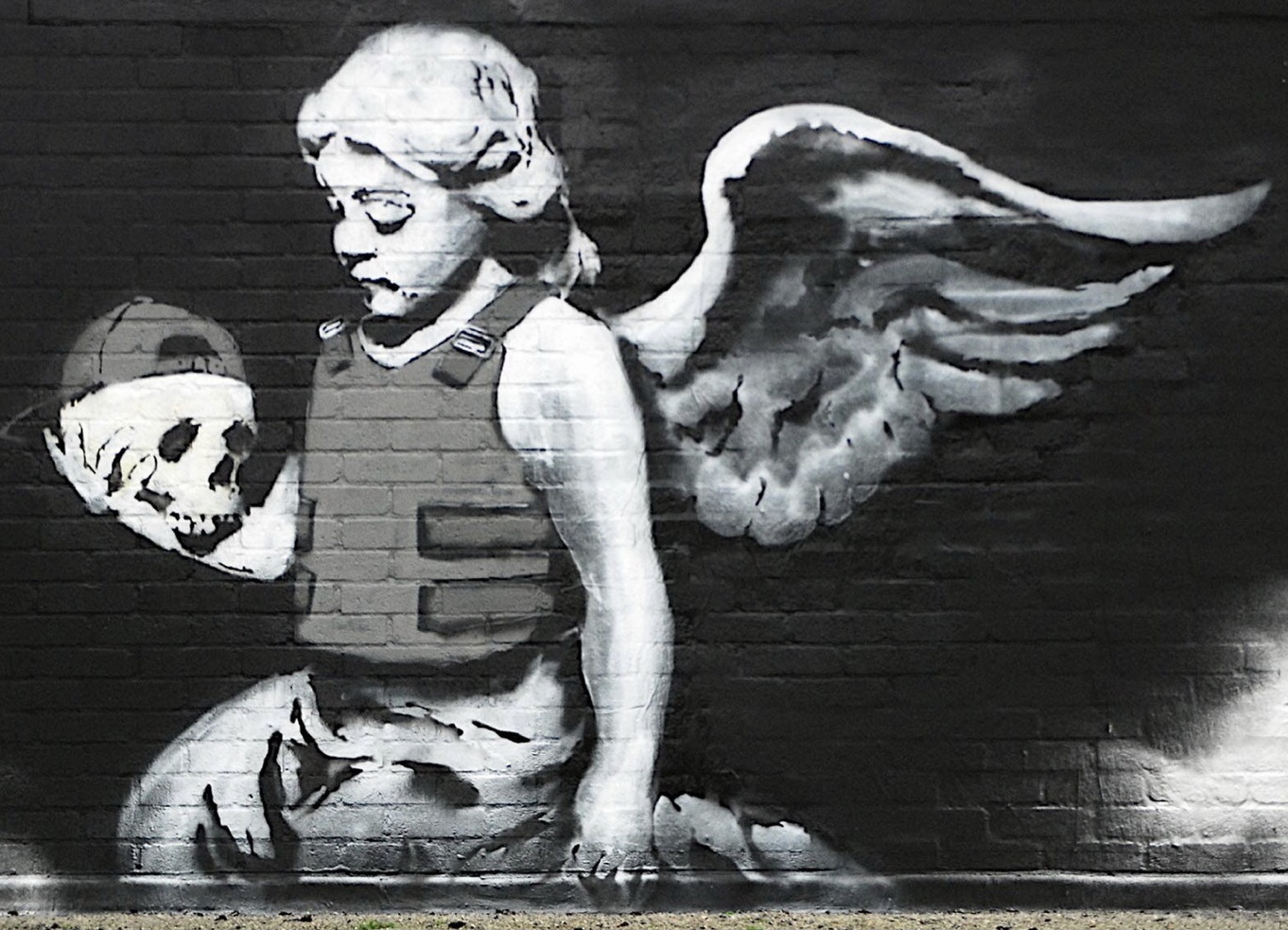
Angel

Graffiti term ‘angel’ is most commonly used when referring to a famous or highly respected graffiti artist who has passed away.

King

‘King’ (or ‘queen’ for female writers) is a graffiti writer who is especially respected among other writers. Some people refer to different writers as kings of different graffiti styles, and the term is regionally subjective.

Married Couple

In graffiti world, the term ‘married couple’ refers to two simultaneous train cars painted next to each other with a single painting evenly spread across both cars.

Heaven Spot

‘Heaven spot’, or ‘heaven’ in short, is a graffiti term which refers to dare devil graffiti pieces that are painted in places that are hard to reach, such as rooftops, overpasses and freeway signs, thus making them hard to remove.

Piece

The graffiti term ‘piece’, short of masterpiece, is used to describe a large, complex, time-consuming and labor-intensive graffiti painting, usually painted by skilled and experienced writers.

Tag

Tag is the most basic and the most prevalent form of graffiti. Graffiti tag is usually written with marker or spray paint and in one color, which is sharply contrasted with its background. Tag is a stylized personal signature and contains graffiti writer’s name, also known as a moniker.

Back to Back

The term ‘back to back’ refers to graffiti piece that is painted all the way across a wall, from end to end.

Throw-Up

‘Throw-up’ or ‘throwie’ is a widely referenced graffiti term, most commonly used to describe tag-like drawings of bubble letters designed for quick execution (we all know why) of graffiti words, and usually consisting of artist’s name and only two colors.

Whole Train

The meaning of the term ‘whole train’ is quite self-explanatory in the graffiti world. It is used to describe train cars which have been completely covered in graffiti, from the first to the last car of the train composition.