The Eight Branches of Chinese Medicine

The Eight Branches of Chinese Medicine

Meditation: As long ago as the fifth century B.C.E., Taoists practiced meditation as a tool for cultivating inner peace. There is always an aspect of the mind that is quiet, calm, and present; however, it can be masked by thoughts, stories, and emotions that pull us out of the present moment. The mind can be like a toddler, running around from place to place, with an attention span of about one minute. It can easily switch from one emotion to the next. Meditation is not simply the practice of stopping all this chaos and quieting the mind; rather, it is the building of awareness about the mind’s habitual nature and the reduction of its distractions.

Exercise: Moving our bodies daily is vital to our overall well-being. Physical activity also moves our blood and cleanses our organs. Tai chi and qigong are both ancient forms of exercise used in Chinese medicine for the cultivation of energy. When visiting east Asian countries, you will see groups of people coming together to practice these movements every day. Even if you don’t know these two ancient practices, walking, running, swimming, dancing, hiking, playing sports, and even stretching are all wonderful forms of exercise.

Nutrition: Food is like medicine. It can nourish us to our very bones, bring us back from illness, and give us a tremendous amount of energy for living.  Many of us are getting sick. Returning to natural, unprocessed, whole foods that match your constitution, align with the season, and support you through any imbalances you may be experiencing is the most direct way to find balance. Through this lens, each meal provides an opportunity to heal from the inside out and to prevent illness rather than be vulnerable to it.

Cosmology: Cosmology refers to the foundation of any spiritual tradition that reveals the core beliefs of how we human beings came to exist and what helps us to thrive. In Taoist cosmology, human beings are not seen as separate from the natural world but rather as a manifestation and integral part of it. Therefore, to cultivate a state of balance, we must look to the natural world around us and mimic the rhythms and cycles we see.

Fang Shui: Just as we can benefit from finding balance inside ourselves by meditating, exercising, and eating a diet that is aligned with nature, we can benefit from creating a similar balance outside ourselves. This is called feng shui, and it encompasses the practice of enhancing health through the environmental balancing of the home, office, garden, and other sacred spaces.

Bodywork: Touch is vital to our overall health. The physical practice of being touched in a therapeutic way allows us to relax deeply and experience the release of tension on all levels. Bodywork gifts us with a number of amazing endorphins (feel-good hormones) most especially, oxytocin.

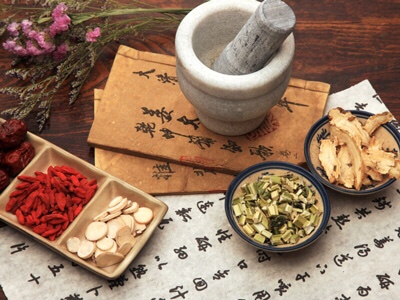
Herbal Medicine: Chinese herbal medicine has been around for thousands of years as a vital tool for maintaining health throughout the life cycles and seasons. Eating medicinal plants from the earth allows us to be in direct relationship with the earth. In addition to a diet that is in sync with our nature, herbal medicine can target specific health imbalances and enhance the healing benefits of meals.

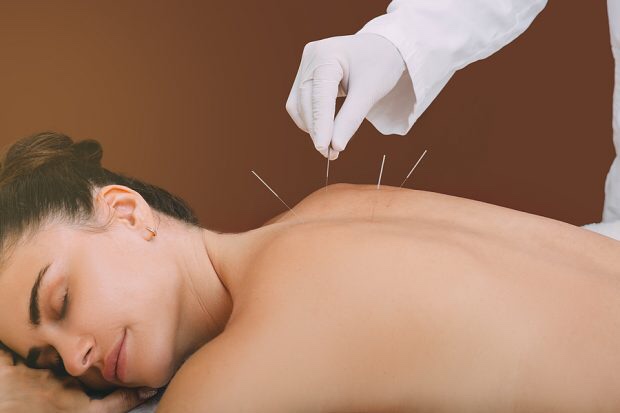
Acupuncture: The final branch of Chinese medicine is also the newest of the eight (though still more than two thousand years old)—the practice of acupuncture. Acupuncture is the art of inserting very fine, sterile needles just under the skin in strategic places to nourish, calm, or otherwise direct the movement of energy. This ancient art form has been found not only to reduce pain but to influence myriad systems in the body, mind, and spirit. From anxiety to leaky gut syndrome to depression to inflammation, acupuncture treats us on many levels. While this practice can certainly address everyday imbalances, I have found it to be most beneficial when used as a tool for prevention.

Source: Everyday Chinese Medicine.

Vein Relief Ointment

This cream is cooling and soothing for varicose veins, spider veins and hemorrhoids. The astringent properties of witch hazel water and oak bark help to shrink the veins, while yarrow and horse chestnut help maintain vein wall integrity.

1 cup aloe vera gel

2 tsp. horse chestnut leaf-infused oil

2 tsp. calendula oil

2 tsp. yarrow tincture

2 tsp. oak bark tincture

2 tsp. horse chestnut seed tincture

20 drops of rosemary essential oil (for varicose veins only, omit for haemorrhoids)

2 tsp. witch hazel water

Place the aloe vera gel in a bowl. Slowly add the oils, 1 teaspoon at a time, and whisk thoroughly.

Once combined, add the tinctures, one at a time, and whisk again, then add the essential oil and whisk. Finally, whisk in the witch hazel water. Place in a sterilised jar, seal, label and date.

Alternatively, use a plain base cream instead of the aloe vera gel, and whisk in the oils, tinctures and witch hazel water.

For optimal results, apply this cream twice a day, as well as taking internal circulatory herbs.

Shelf Life: Up to 1 year in a cool, dark place.

Traditional Chinese Medicine (TCM)

Traditional Chinese medicine (TCM) is thousands of years old and has changed little over the centuries. Its basic concept is that a vital force of life, called Qi, surges through the body. Any imbalance to Qi can cause disease and illness. This imbalance is most commonly thought to be caused by an alteration in the opposite and complementary forces that make up the Qi. These are called yin and yang.

Ancient Chinese believed that humans are microcosms of the larger surrounding universe, and are interconnected with nature and subject to its forces. Balance between health and disease is a key concept. TCM treatment seeks to restore this balance through treatment specific to the individual.

It is believed that to regain balance, you must achieve the balance between the internal body organs and the external elements of earth, fire, water, wood, and metal.

Treatment to regain balance may involve:

• Acupuncture

• Moxibustion (the burning of herbal leaves on or near the body)

• Cupping (the use of warmed glass jars to create suction on certain points of the body)

• Massage

• Herbal remedies

• Movement and concentration exercises (such as tai chi)

Acupuncture is a component of TCM commonly found in Western medicine and has received the most study of all the alternative therapies. Some herbal treatments used in TCM can act as medicines and be very effective but may also have serious side effects. In 2004, for example, the FDA banned the sale of dietary supplements containing ephedra and plants containing ephedra group alkaloids due to complications, such as heart attack and stroke. Ephedra is a Chinese herb used in dietary supplements for weight loss and performance enhancement. However, the ban does not apply to certain herbal products prepared under TCM guidelines intended only for short-term use rather than long-term dosing. It also does not apply to OTC and prescription drugs or to herbal teas.

If you are thinking of using TCM, a certified practitioner is your safest choice. The federally recognized Accreditation Commission for Acupuncture and Oriental Medicine (ACAOM) accredits schools that teach acupuncture and TCM. Many of the states that license acupuncture require graduation from an ACAOM-accredited school. The National Certification Commission for Acupuncture and Oriental Medicine offers separate certification programs in acupuncture, Chinese herbology, and Oriental bodywork.

TCM should not be used as a replacement for conventional or allopathic treatment, especially for serious conditions, but it may be beneficial when used as complementary therapy. Since some TCM herbal medicines can interfere or be toxic when combined with Western medicines, you should inform your doctor if you are using TCM.

Source: Johns Hopkins Medicine

Ezra Pound

Today in 1949 – Ezra Pound is awarded the first Bollingen Prize in poetry by the Bollingen Foundation and Yale University.

At the time Pound, an American, was locked in St. Elizabeths mental hospital in Washington, D.C., where he stayed for 12 years. He had been charged with treason but was never tried. His fellow artists helped secure his release in 1958, and he went to Italy, where he died in 1972. Here’s his mug shot when he was arrested.

Ghost Organ

Exciting scientific work:

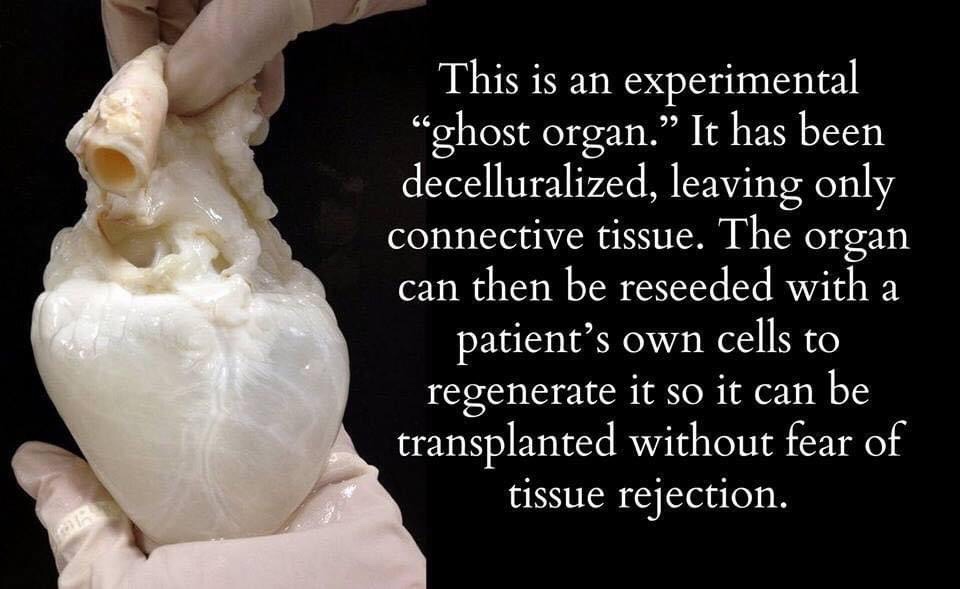
Organs and tissues can become decullularized after exposure to ordinary detergents over the course of a few days because the soaps disrupt the cellular membranes, which can then be rinsed clear of the supportive tissue. A series of chemicals are then used to make sure that all cells have been eliminated, leaving only a scaffold of cartilage and collagen. A patient’s stem cells are then coated over the structure and are given growth factors to help them grow and differentiate into the desired cells and the organ is complete for transplant, with no fear of rejection.

This technique is still emerging and has plenty of obstacles, but it holds a great deal of promise. Researchers and physicians hope that in the future this will alleviate strain on those in need of a new organ. In the US, there are currently over 114,000 people waiting on a transplant list, and about 18 of them die every day while waiting for the lifesaving call. Only about 10% of the organs needed are donated each year.

In the meantime, there are other options. Portions of pig organs, particularly hearts, have been used in transplants. Rejection can be high due to a sugar molecule that is not welcomed by our immune systems. This is getting better due to genetic modification of the pigs and medications that suppress the immune system.

Ancient Egyptian Medicine

Ancient Egyptian medicine was arguably the most advanced of its time. Natural and supernatural remedies were used together by practitioners/priests in order to cure injury, illness, and disease. Evidence of different diagnoses and treatments have been found on numerous papyri, giving details of both natural and supernatural cures for different ailments. These texts were organized from sections of the body, or focused on one form of treatment. Some of the most known of these are the Edwin Smith Papyrus describing cases of surgical procedures, the Ebers Papyrus which contains multiple natural remedies along with incantations, and the Domotic Magical Papyrus of London and Leiden describing incantations and magical processes (which show similarities to Greek papyri).

From symptoms, a diagnoses was found in order to treat ailments with natural treatments. Depending on the diagnoses numerous remedies would have been used. Medications were herbal/plant, mineral, or animal based. Castor oil was a very popular remedy for many ailments of all types. Honey was also used often, especially for wounds as a natural antiseptic. Some remedies were used domestically as pesticides to ward off insects and animals. Cosmetic remedies were also used to rid wrinkles, etc. Surgical procedures were not used often, only for broken bones, large wounds, circumcision, abscesses, and of course at death during the removal of organs for mummification. All surgical procedures also included medicines an most likely incantations as well.

The Chester Beatty Medical Papyrus, dated c. 1200 BCE, prescribes treatment for anorectal disease (problems associated with the anus and rectum) and prescribes cannabis for cancer patients (pre-dating the mention of cannabis in Herodotus, long thought to be the earliest mention of the drug). The Berlin Medical Papyrus (also known as the Brugsch Papyrus, dated to the New Kingdom, c. 1570 – c. 1069 BCE) deals with contraception, fertility, and includes the earliest known pregnancy tests. The Ebers Papyrus (c. 1550 BCE) treats cancer (for which, it says, there is no treatment), heart disease, diabetes, birth control, and depression. The Edwin Smith Papyrus (c. 1600 BCE) is the oldest work on surgical techniques.

The Demotic Magical Papyrus of London and Leiden (c. 3rd century CE) is devoted entirely to magical spells and divination. The Hearst Medical Papyrus (dated to the New Kingdom) treats urinary tract infections and digestive problems. The Kahun Gynaecological Papyrus (c. 1800 BCE) deals with conception and pregnancy issues as well as contraception. The London Medical Papyrus (c. 1782-1570 BCE) offers prescriptions for issues related to the eyes, skin, burns, and pregnancy. These are only the papyrii recognized as focusing entirely on medicine. There are many more which touch on the subject but are not generally accepted as medical texts.

Along with natural remedies, the supernatural was equally important. ‘Magic’ (tied more closely to religion) and medicine were effective together in order to heal, which is why practitioners/doctors were also priests. Incantations are extremely prominent and go hand in hand with treatments of all types, which is prominent especially in the Ebers Papyrus. Amulets were also used and worn for protection against illness. Invocations gods such as Isis and other rituals are also noted to heal or ward off sickness, similar to ancient Greek practices.

Antidepressants and Pregnancy

Why is treatment for depression during pregnancy important?

If you have untreated depression, you might not seek optimal prenatal care or eat the healthy foods you and your baby need. Experiencing major depression during pregnancy is associated with an increased risk of premature birth, low birth weight, decreased fetal growth or other problems for the baby. Unstable depression during pregnancy also increases the risk of postpartum depression and difficulty bonding with your baby.

Are antidepressants an option during pregnancy?

Yes. A decision to use antidepressants during pregnancy, in addition to counseling, is based on the balance between risks and benefits. The biggest concern is typically the risk of birth defects from exposure to antidepressants. Overall, the risk of birth defects and other problems for babies of mothers who take antidepressants during pregnancy is very low. However, some antidepressants are associated with a higher risk of complications for your baby. Talking to your health care provider about your symptoms and medication options can help you make an informed decision.

If you use antidepressants during pregnancy, your health care provider will try to minimize your baby’s exposure to the medication. This can be done by prescribing a single medication (monotherapy) at the lowest effective dose, particularly during the first trimester.

Keep in mind that psychotherapy is also an effective treatment for mild to moderate depression.

Which’s antidepressants are considered OK during pregnancy?

Generally, these antidepressants are an option during pregnancy:

• Certain selective serotonin reuptake inhibitors (SSRIs). SSRI’s are generally considered an option during pregnancy, including citalopram (Celexa) and sertraline (Zoloft). Potential complications include maternal weight changes and premature birth. Most studies show that SSRI’s aren’t associated with birth defects. However, paroxetine (Paxil) might be associated with a small increased risk of a fetal heart defect and is generally discouraged during pregnancy.

• Serotonin and norepinephrine reuptake inhibitors (SNRIs). SNRI’s also are considered an option during pregnancy, including duloxetine (Cymbalta) and venlafaxine (Effexor XR).

• Bupropion (Wellbutrin). Although bupropion isn’t generally considered a first line treatment for depression during pregnancy, it might be an option for women who haven’t responded to other medications. Research suggests that taking bupropion during pregnancy might be associated with miscarriage or heart defects.

• Tricyclic antidepressants. This class of medications includes nortriptyline (Pamelor) and desipramine (Norpramin). Although tricyclic antidepressants aren’t generally considered a first line or second line treatment, they might be an option for women who haven’t responded to other medications. The tricyclic antidepressant clomipramine (Anafranil) might be associated with fetal birth defects, including heart defects.

Are there any other risks for the baby?

If you take antidepressants during the last trimester of pregnancy, your baby might experience temporary signs and symptoms of discontinuation — such as jitters, irritability, poor feeding and respiratory distress — for up to a month after birth. However, there’s no evidence that discontinuing or tapering dosages near the end of pregnancy reduces the risk of these symptoms for your newborn. In addition, it might increase your risk of a relapse postpartum.

The connection between antidepressant use during pregnancy and the risk of autism in offspring remains unclear. But most studies have shown that the risk is very small and other studies have shown no risk at all. Further research is needed.

A new study also suggests a link between use of antidepressants during pregnancy, specifically venlafaxine and amitriptyline, and an increased risk of gestational diabetes. More research is needed.

Should I switch medications?

The decision to continue or change your antidepressant medication will be based on the stability of your mood disorder. Talk to your health care provider. Concerns about potential risks must be weighed against the possibility that a drug substitution could fail and cause a depression relapse.

What’s the bottom line?

If you have depression and are pregnant or thinking about getting pregnant, consult your health care provider. Deciding how to treat depression during pregnancy isn’t easy. The risks and benefits of taking medication during pregnancy must be weighed carefully. Work with your health care provider to make an informed choice that gives you — and your baby — the best chance for long-term health.

Sources: The Mayo Clinic, NAMI, NIH, NIMH

McLean Psychiatric Hospital: Belmont, Massachusetts

Founded in 1811: McLean Hospital is a leader in psychiatric care, research, and education and is the largest psychiatric teaching hospital of Harvard Medical School.

Mission Statement

McLean Hospital is dedicated to improving the lives of people and families affected by psychiatric illness.

McLean pursues this mission by:

• Providing the highest quality compassionate, specialized and effective clinical care, in partnership with those whom we serve

• Conducting state-of-the-art scientific investigation to maximize discovery and accelerate translation of findings towards achieving prevention and cures

• Training the next generation of leaders in psychiatry, mental health and neuroscience

• Providing public education to facilitate enlightened policy and eliminate stigma

Core Values

We dedicate ourselves each and every day to McLean’s mission of clinical care, scientific discovery, professional training and public education in order to improve the lives of people with psychiatric illness and their families.

In all of our work, we strive to:

• Conduct ourselves with unwavering integrity

• Demonstrate compassion and respect for our patients, their families and our colleagues

• Foster an environment that embraces diversity and promotes teamwork

• Achieve excellence and ever-better effectiveness and efficiency through innovation

• McLean Hospital’s clinical and research activities are organized into seven Centers of Excellence and Innovation

These centers integrate the hospital’s three mission elements—clinical care, research, and education—with a focus on the rapid translation of science in order to establish, deliver, and disseminate ever-better, evidence-based approaches to care.

• Led by world-class clinicians and researchers, each of the seven centers have a primary diagnostic, research, or demographic focus and are laying the groundwork for further innovation as McLean continues to set a high bar in psychiatric care, research, and education.

Center of Excellence in Alcohol, Drugs, and Addiction

• McLean’s Center of Excellence in Alcohol, Drugs, and Addiction, led by Chief Roger D. Weiss, MD, is designed to foster integrated, evidence-based approaches to prevention, early detection, and treatment of substance use disorders.

• Addiction has become one of the most prevalent health issues of our time. From the current opioid crisis to the treatment of those dually diagnosed with addiction and other mental health illnesses, McLean offers a continuum of addiction care, including brief hospitalization for detoxification and stabilization, four residential programs, a partial hospital program, outpatient treatment, specialized programs, and a consultation service.

• The center also includes robust training and research initiatives through the Co-Occurring Disorders Institute, the Alcohol and Drug Addiction Clinical Research Program, and the Addiction Psychiatry Fellowship.

Nancy and Richard Simches Center of Excellence in Child and Adolescent Psychiatry

• Mental health issues are appearing ever-more widespread among young people. Joseph Gold, MD, is McLean’s chief medical officer and chief of the Simches Center of Excellence in Child and Adolescent Psychiatry. Children and teens are more prone than adults to depression, anxiety, obsessive compulsive disorder, attention-deficit/hyperactivity disorder, autism, bipolar disorder, addiction, and personality disorders.

• Led by Dr. Gold, McLean treats children ages 3 to 19 years who are struggling with these and other issues. Two fully accredited schools provide educational opportunities for children needing specialized academic programming. The center also reaches into the community to support children and adolescents in every possible setting, including public and private schools and pediatrician’s offices.

Center of Excellence in Depression and Anxiety Disorders

• Anxiety disorders are the most commonly diagnosed psychiatric disorders in the United States today, and individuals with anxiety also frequently suffer from clinical depression. Led by McLean’s Chief Scientific Officer Kerry J. Ressler, MD, PhD, along with its Director of Research Diego A. Pizzagalli, PhD, and Clinical Director Jane Eisen, MD, the Center of Excellence in Depression and Anxiety Disorders works to understand the biological underpinnings of these illnesses.

• The center conducts both clinical and basic science research into the relationship between stress, fear, trauma, and the prevalence of depression and anxiety disorders. Because these disorders occur in all demographics and often appear in conjunction with other psychiatric diagnoses, the center works collaboratively with McLean’s six other centers of excellence to speed the translation of science from bench to bedside to develop ever-better clinical and medication treatments.

• The center incorporates all levels of care, from outpatient to residential to multiple specialty inpatient programs and outpatient services like ECT, TMS, and ketamine.

Center of Excellence in Geriatric Psychiatry

• Providing psychiatric care for older adults can include managing the normal effects of mental and physical changes of aging while also concentrating on the psychological and neurological changes that can worsen as the body and brain get older.

• Led by Chief Brent P. Forester, MD, MSc, McLean’s Center of Excellence in Geriatric Psychiatry works to make the later stages of life healthy, fulfilling, and joyful. Clinical care and research at the center focus on older adults with depression, bipolar disorder, and behavioral complications of Alzheimer’s disease and related dementias.

Center of Excellence in Psychotic Disorders

• Led by Chief Dost Öngür, MD, PhD, the Center of Excellence in Psychotic Disorders includes inpatient programs, a residential facility, specialty outpatient clinics, and community-based services for individuals diagnosed with psychotic disorders, primarily schizophrenia or bipolar disorder.

• Dr. Öngür and his team have built clinical and research collaborations to advance our understanding of the neurobiology of psychosis and develop new insights into treatment and prevention. Researchers and clinicians in the center are changing the landscape of recovery and helping to restore lives and offer hope to those diagnosed with these debilitating disorders.

Center of Excellence in Women’s Mental Health

• The mission of McLean’s Center of Excellence in Women’s Mental Health is to innovate and improve mental health care for all women and girls throughout their life span. Led by center Chief Shelly F. Greenfield, MD, MPH, and Clinical Director Amy Gagliardi, MD, the center provides a uniting infrastructure to advance clinical care, training, and education.

• The center is a national leader in this emerging field and is conducting and sharing research across McLean and around the globe.

Center of Excellence in Basic Neuroscience

• One of McLean’s primary mission elements is to conduct state-of-the-art scientific investigation to maximize discovery and speed translation of findings toward prevention and cures for major psychiatric disorders.

• Chief Bill Carlezon, PhD, leads McLean’s Center of Excellence in Basic Neuroscience which is dedicated to studying the role of biological factors in mental illness. Under his direction, more than 130 principal investigators in more than 40 research labs conduct research into the “why” and “how” of mental illness.

• Scientists study the brain at the cellular and molecular levels to push the frontiers of knowledge and move their findings from “benchtop to bedside.”

McLean Values are at the core of everything we do. As clinicians, researchers, educators, administrators, and support staff, we conduct ourselves in ways that reflect our deep commitment to integrity, compassion and respect, diversity and teamwork, excellence, and innovation. These Values are the essence of McLean; they are at once emblematic of who we are and what we aspire to be.

~ McLean Hospital President and Psychiatrist in Chief Scott L. Rauch, MD

The Mayo Clinic – Minnesota: Psychiatric & Behavioral Health Hospital

Mayo Clinic John E. Herman Home and Treatment Facility

The Mayo Clinic John E. Herman Home and Treatment Facility is a residential treatment program for adults who have a serious mental illness. Its goal is to help residents return to the community to engage in value-driven, productive and meaningful lives.

People in the program experience:

• Individualized treatment of psychiatric symptoms

• On-site, 24/7 support from a multidisciplinary team

• A supervised environment

• A stay of at least three months, usually

• Evidence-based individual and group therapy

• An opportunity to gain competitive employment in the community through an evidence-based vocational program, individual placement and support (IPS)

• Dedicated time for activities of daily living, physical activity and recreation, facility maintenance, and leisure

People age 18 or up may be eligible for the program if they are living with mood disorders (such as depression and bipolar disorder), psychotic disorders (such as schizophrenia), anxiety or personality disorders.

The program includes a treatment facility and two residential recovery homes in Rochester, Minnesota. The homes each have eight rooms with private baths and communal spaces for cooking and gathering.

Self-referrals are considered, as are referrals by family members and providers.

Mayo Clinic Psychiatric Hospital

In the hospital, psychiatrists work in integrated teams with internists, psychologists, social workers, physical and occupational therapists, and other specialists to provide comprehensive coordinated short-term care tailored to the needs of each patient. The hospital includes these units:

Psychiatric Acute Care Unit. This unit stabilizes and treats adults experiencing mental health crises, such as those who are suicidal, homicidal or psychotic. After being stabilized and evaluated, patients receive individualized care, which may include medical treatments, group psychotherapy, recreational therapy, and education about coping strategies, relapse prevention, and stress management.

Medical and Geriatric Psychiatry Unit. Admitted to this unit are adults with both medical and psychiatric conditions, as well as geriatric patients who need hospitalization for psychiatric issues — most commonly late-life mood and cognitive disorders. Treatment may include medication, recreational and relaxation therapy, and education about depression, anxiety and aging-related issues.

Mood Disorders Unit. This unit treats adults whose depression or bipolar illness is significantly affecting their quality of life, functioning or safety. Intensive daily treatment is personalized to each patient and may include talk therapy (psychotherapy), such as cognitive behavioral therapy, dialectical behavioral therapy, acceptance and commitment therapy or behavioral activation. Treatment may also involve medications, family and group therapy, occupational therapy, relaxation activities, and — when appropriate — electroconvulsive therapy (ECT) or transcranial magnetic stimulation (TMS).

Child, Adolescent and Family Services Unit: This secure unit specializes in stabilization and treatment for children and teenagers who are experiencing an acute mental health crisis, such as those who are suicidal, homicidal or experiencing psychosis. Treatment for a variety of conditions including mood and adjustment disorders, anxiety, self-injurious behavior and psychotic disorders is family-centered and multidisciplinary. The treatment team includes psychiatrists, advanced practice providers, psychologists, social workers, specialized nursing staff, Child Life Specialists, and occupational, physical, recreational and music therapists.

Mayo Clinic Depression Center

A member of the National Network of Depression Centers, Mayo Clinic Depression Center offers comprehensive evidence-based evaluation and treatment for adults and children with depression or bipolar disorder. Programs range from outpatient consultations to intensive inpatient treatment, with care provided by a team of Mayo Clinic psychiatrists, psychologists, nurse practitioners, social workers and other specialists with expertise in mood disorders. Services include:

Adult Mood Clinic. Outpatient evaluation and treatment for adults with treatment-resistant depression or bipolar disorder is available in the Mayo Mood Clinic. After an initial assessment and depending on the person’s needs, he or she may be referred to the Mood Disorders Unit or the two-week Mood Program.

Adult Mood Program. This is a 10-day, full-day group-based outpatient multidisciplinary psychotherapy for adults with depression or bipolar disorder. It uses three evidence-based supported psychotherapies: interpersonal and social rhythm therapy (also called IPSRT), mindfulness-based cognitive therapy, and behavioral activation. The program helps to develop more effective ways to manage interpersonal problems and stabilize the daily routine of activities.

Adult Mood Disorders Unit. This inpatient unit, described above, is part of the Mayo Clinic Psychiatric Hospital, which provides expert care tailored to individual needs.

Pediatric Mood Clinic. Staffed by experts in childhood mood disorders such as depression, bipolar disease, cyclothymic disorder and persistent depressive disorder (dysthymia), the clinic provides team-based diagnosis and treatment. Outpatient options include: Adolescents Coping with Depression, a 12-week intervention meeting for one hour a week for teens ages 14 through 18; and Multifamily Psychoeducational Psychotherapy, an 8-week intervention meeting for one hour a week for youths ages 11 through 14.

CAIMP. The Child and Adolescent Integrated Mood Program (CAIMP) is a two-week outpatient partial hospitalization program for children and teens (ages 10 to 18) with primary depression or bipolar disorder. It’s held Monday through Friday, 8 a.m. to 4 p.m., Central time. Treatment includes cognitive behavior therapies, interpersonal therapy, mindfulness, medication management, family-focused strategies, health and wellness interventions, and education about mood disorders. Caregivers are required to participate in the program with their child/teen to improve understanding of their child’s illness and develop techniques to both support their child and assist with their own coping.

Depression Improvement Across Minnesota, Offering a New Direction (DIAMOND). DIAMOND involves a primary care provider, care manager and consulting psychiatrist for Minnesota adults with depression who are seen in primary care settings, with a focus on relapse prevention. DIAMOND is currently only available for patients who have Mayo primary care providers in Rochester or Kasson, Minn.

Pain Rehabilitation Center

Mayo’s Pain Rehabilitation Center offers adult and pediatric outpatient programs for noncancer-related chronic pain to help people regain function and quality of life. These programs treat patients with a broad range of pain types, as well as those with medical and psychiatric complications. These may include chronic fatigue and nausea, fibromyalgia, cyclic vomiting, and autonomic disorders, such as postural orthostatic tachycardia syndrome (POTS). Programs include:

• Adult three-week program

• Adult two-day program

• Pediatric three-week program

Addiction Services

Since 1972, Mayo Clinic has been treating people addicted to alcohol, illegal drugs and prescription medications, using an individualized, holistic approach within a respectful environment. Multispecialty care teams include addiction psychiatrists, licensed alcohol and drug counselors, licensed clinical social workers, registered nurses and other specialists.

Learn more about Mayo’s options for addiction treatment, including the Outpatient Addiction Program, an Intensive Addiction Program and continuing care programs.

Other areas of excellence

The Department of Psychiatry and Psychology provides many other areas of excellence, such as:

• Comprehensive multidisciplinary psychiatric assessments for adults, teenagers and children

• Formal assessment of attention, concentration, memory, reasoning and learning abilities to help diagnose neuropsychological disorders such as dementia, mild cognitive impairment, traumatic brain injury, stroke, learning disabilities and attention deficits

• Clinic for attention-deficit/hyperactivity disorder (ADHD)

• Pediatric Anxiety Disorders Clinic, including treatment for panic disorder, obsessive-compulsive disorder, social phobia, generalized anxiety disorder and separation anxiety

• Behavioral Medicine Program

• Innovative memory training program called HABIT Healthy Action to Benefit Independence & Thinking®

• Telemedicine program for cognitively impaired elderly patients with behavior problems

• Rehabilitative services for people with traumatic brain injury

A Second Chance Whether Deserved or Not

A Second Chance Whether Deserved or Not

Jerked awake in the stillness of the dark of the night,

I’m soaked in sweat, my clothes clinging to me like a wet sack,

Closing my eyes I attempt to stop my hands from shaking,

Tears slowly drip down my cheeks taunting my grasp on reality,

I choke to breathe feeling the knife once again back at my throat,

All I had to do was lean forward and this torment would have been over,

I can hear his fucking voice in my head, mocking me nightly.


I grab your picture on my nightstand, gazing into your eyes,

Dare I tell you of my feelings of inadequacy, is it what you want to hear,

How can I not after all you’ve shared with me,

Surely I’ll be better tomorrow; I know it is a lie,

My trembling fingers caress your cheek down to the line of your chin,

A tear drops onto the glass blurring your lovely face,

I close my eyes hoping to still see you there.


Alcohol used to always make it easier to get through the night,

Just a drink and I can push these thoughts out of my head,

My body lurches forward at an all too familiar thought,

My stomach gurgles in agreement that a drink is not acceptable,

I glance at my picture of my niece and then to you my love,

Am I so weak that I think a drink or a drug would help,

Years of self-medication die hard, but die they must.


My fingers trace over the scar across my belly,

Someone died so that I might have this second chance,

I cannot and will not make the same mistakes this time,

I won’t throw away a second chance at happiness, at love,

Love the word ferments in my mind as I gaze upon your loveliness,

I feel like I’m disappointing you even considering a drink for an instant,

Do I tell you how weak I am, how scared I am without you.


I’d welcome back the physical illness to get rid of the mental,

I am always so filled with doubt, did I deserve this chance,

I’ve done so many truly horrific things in this life,

Is it possible to be forgiven, can I forgive myself,

People tell me I am so strong, why can’t I believe that,

Did I only fight to prove those wrong that said no,

There has to be a reason I was given the chance to survive.


I’d like to drop to my knees and beg your forgiveness,

I’d like to go back in time and change that decision, make it right,

One desire is impossible, the other simply unfair,

The thought of my disrespect, conjures up my feeling of inadequacy,

Maybe I never deserved you in my life as I half fear and believe,

Would you be better off without me – I hope not,

With every fiber of my being I dream of the day you believe in me again.