The Merry Cemetery (Săpânţa, Maramureş, Romania)

The Merry Cemetery (Săpânţa, Maramureş, Romania)

At the Cimitirul Vesel, or “Merry Cemetery,” over 600 colorful wooden crosses bear the life stories, dirty details, and final moments of the bodies that lie below. Displayed in bright, cheery pictures and annotated with limericks are the stories of almost everyone who has died in the town of Săpânţa. Illustrated crosses depict soldiers being beheaded and a townsperson being hit by a truck. The epigraphs are surprisingly frank and often funny: “Underneath this heavy cross lies my mother-in-law . . . Try not to wake her up. For if she comes back home, she’ll bite my head off.”

The cemetery’s unique style was created by a local named Stan Ioan Pătraş, who at the age of 14 had already begun carving crosses for the graveyard. By 1935, Pătraş was carving clever and ironic poems—done in a rough local dialect—about the deceased, as well as painting their portraits on the crosses, often depicting the way in which they died.

Pătraş died in 1977, having carved his own cross and leaving his house and business to his most talented apprentice, Dumitru Pop. Pop has spent the last three decades continuing the carving work, and has also turned the house into the Merry Cemetery’s workshop-museum. Despite the occasionally darkly comic—or merely dark—tones of the crosses, Pop says no one has ever complained about the work:

“It’s the real life of a person. If he likes to drink, you say that; if he likes to work, you say that . . . There’s no hiding in a small town . . . The families actually want the true life of the person to be represented on the cross.”

Source: Atlas Obscura
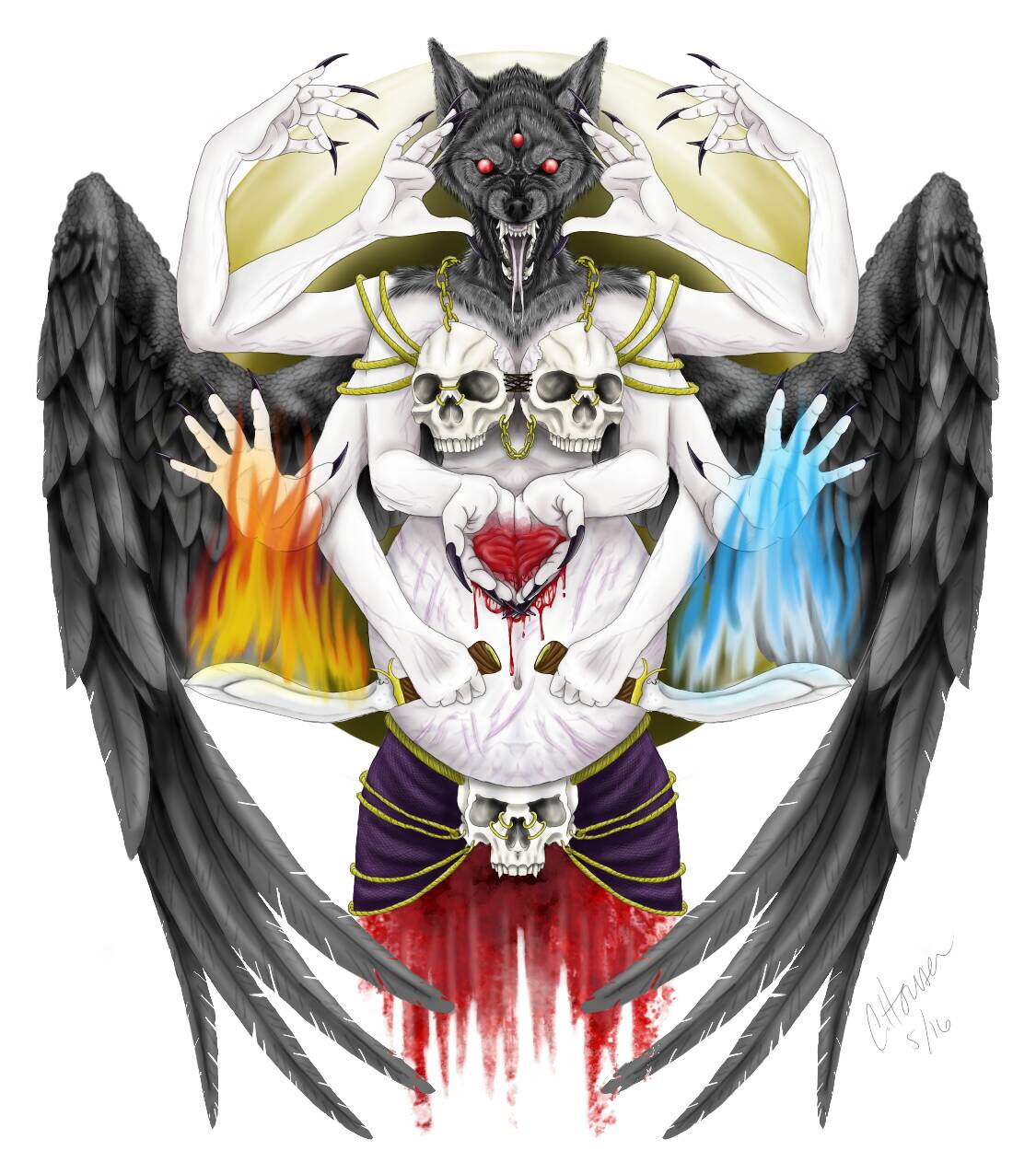
Lilith

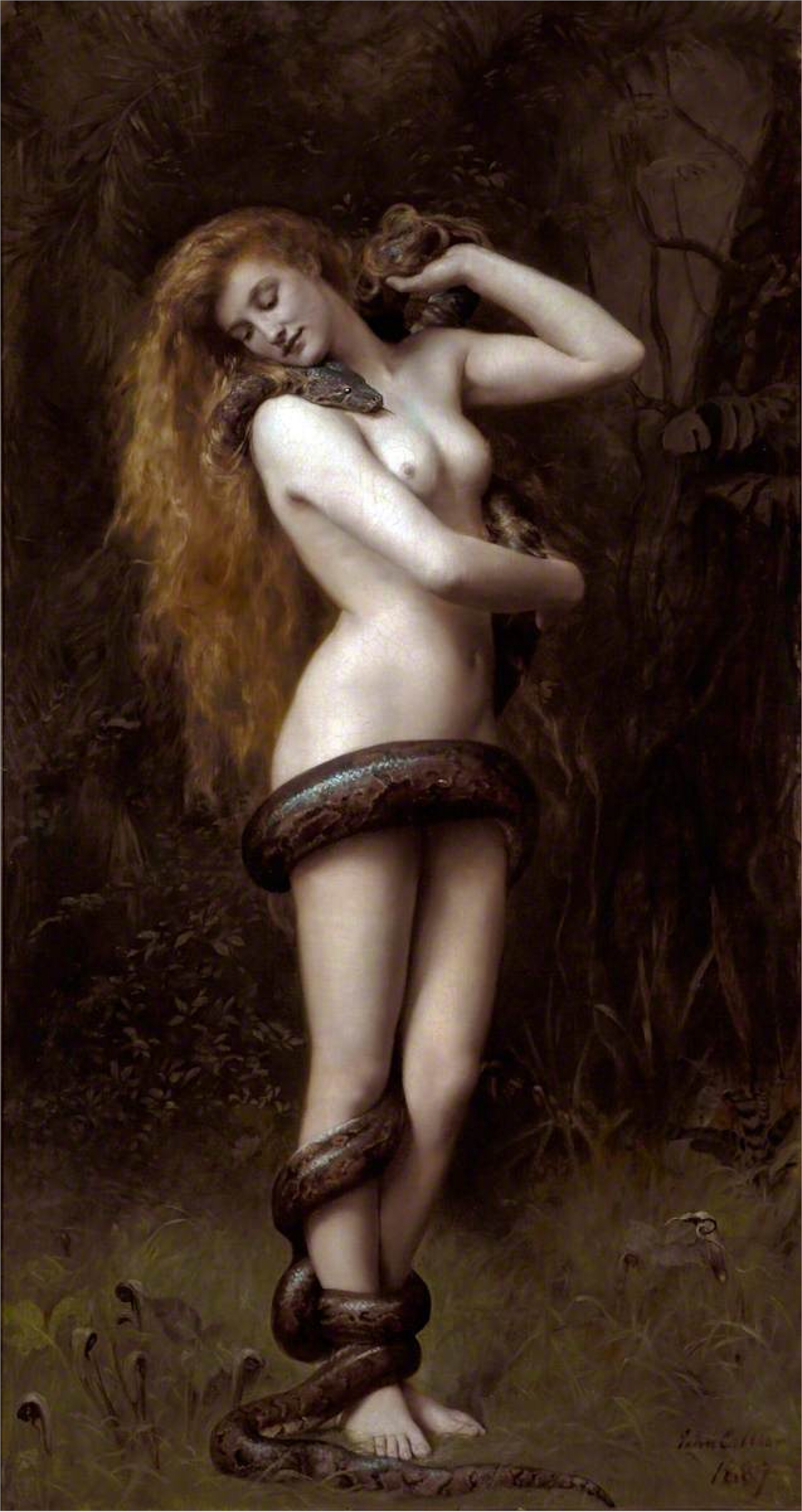
Lilith appears in early Hebraic writings and stories. She is a winged demon, with the body of a woman, and owl-like talons for feet.

It is said that Lilith was the first wife of Adam, but she believed herself an equal to him and refused to be submissive. For this, she was banished from God’s presence into the demon realm.

When Lilith moved to the demon realm, she began stealing babies and small children and devoured them. It’s also said that Lilith was like a Succubus, seducing men to steal their sperm; the men never survived their encounter with Lilith.

Some stories even claimed that Lilith would drink the blood of her victims and used the sperm to conceive her offspring.

Other stories claimed that when God banished Cain (first born son of Adam and Eve) after killing his brother, Lilith and Cain procreated demonic offspring.

Lilith’s offspring were damned to become demons, which is how she obtained her title- “Mother of Demons.” This title was changed to “Mother of Vampires” later in legends.

The new title was obtained because Lilith’s offspring were all destroyed by God, so she vowed to herself to feed on all of Adam’s children (IE humans).

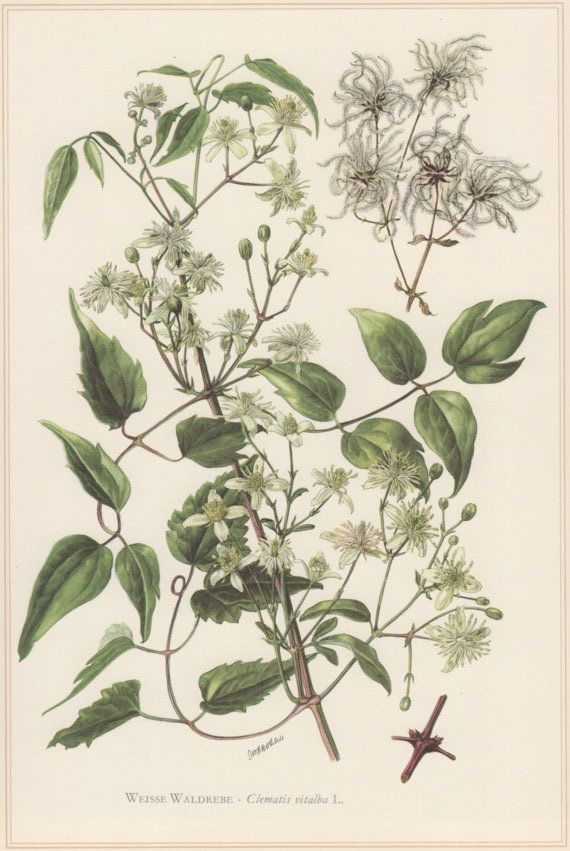
Old Man’s Beard or Traveller’s Joy (clematis vitalba)

Old Man’s Beard or Traveller’s Joy (clematis vitalba)

A native perennial found in hedgerows, wood edges and scrub, it may be a beautiful plant, but it was said to do the Devil’s work for him by trailing into the other plants and choking them. Used medicinally in homeopathic preparations for rheumatism and skin eruptions, the plant contains protoanemonin and ingestion leads to severe abdominal pain and gastrointestinal irritation. Contact can cause skin irritation, which is why it was known as herbe aux gueux (‘beggar’s weed’) in France, having once been used by beggars to irritate the skin in order to simulate sores. The acrid smell of the foliage causes profuse watering of the eyes and nose when inhaled.

Magical propensities: None found.

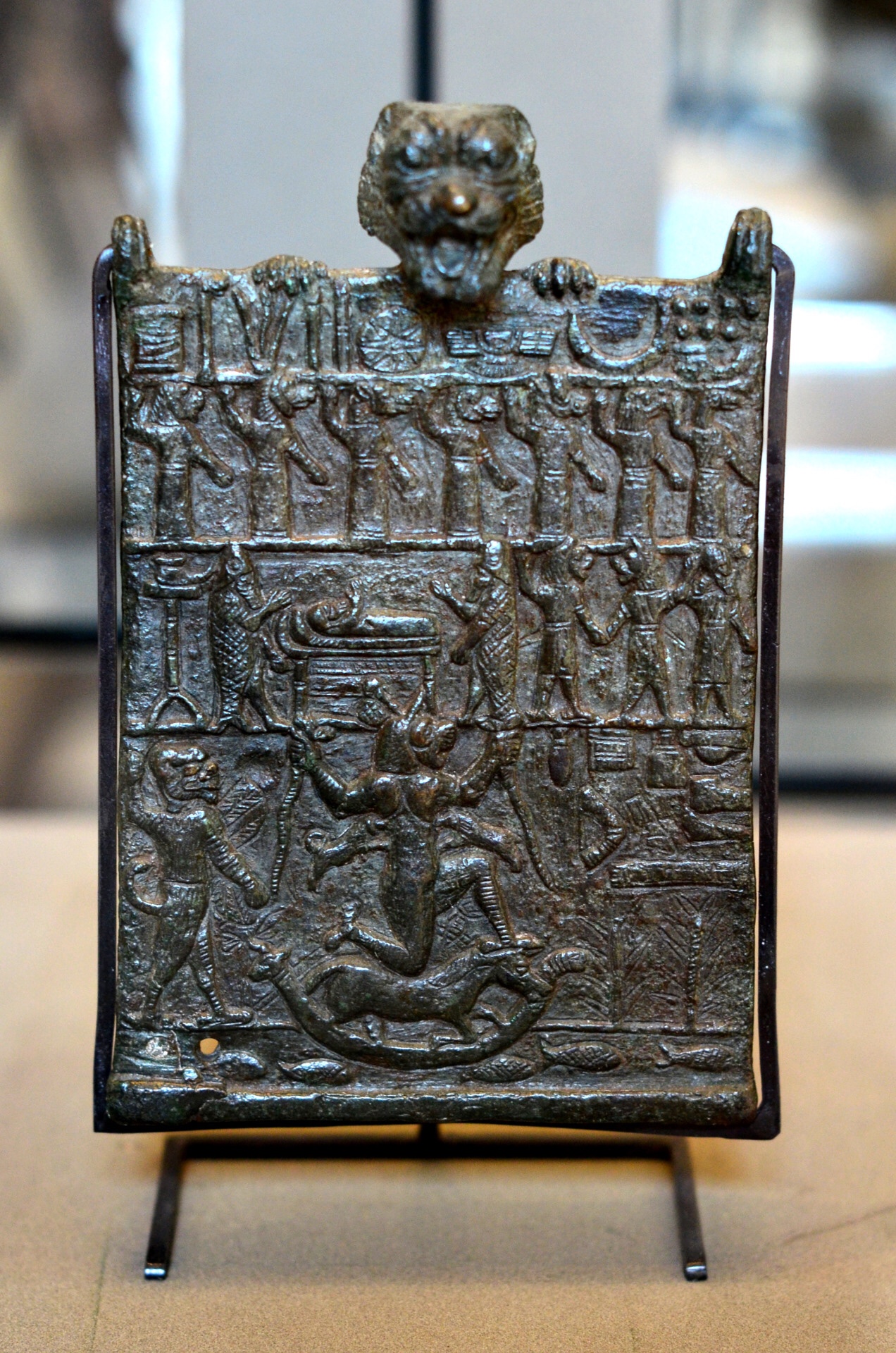
Lamashtu

Lamashtu (also referred to as Lamastu or Dimme) was a demon goddess in Sumeria and Acadia.

Lamashtu was often described to have a hairy body, the head of a lion, donkey teeth and ears, long fingers and fingernails, and sharp bird-like talons for feet. She was often seen standing or kneeling on a donkey while nursing a pig and a dog and holding snakes.

It is said that Lamashtu crept into homes at night to kill babies in their cribs or in the womb, becoming the cause for sudden infant death syndrome and miscarriages.

In Mesopotamian mythology, she menaced with women during childbirth and kidnapped babies while breastfeeding. It’s said that she would allow the babies to nurse on her and suckle her toxic milk, causing the baby to die.

Lamashtu was also the cause of many deaths and evil deeds among humans.

• Slaughtered mothers.

• Dined on the flesh and blood of men.

• Poisoned water with diseases.

• Killed plants.

• Caused tetanus and fever.

• Caused sterility in adults.

• Evoked nightmares.

Warming Ointment

This ointment is ideal for cold hands and feet. Warming juniper and ginger help assist circulation to the small capillaries in the extremities, while comfrey heals chapped skin.

2 tablespoons chopped fresh rosemary

2 tablespoons dried comfrey leaf

2 tablespoons dried juniper berries, lightly crushed

2 inch piece of fresh ginger, peeled and sliced

1 fresh red chilli, chopped

1 cup olive oil

1 oz. beeswax

Place the herbs, berries, spices and oil in a bain-marie. Leave to infuse over a very low heat for 2 hours, stirring occasionally.

Strain, discarding the herbs and retaining the oil. Return the oil to the bain-marie, then add the beeswax, stirring until dissolved and melted. Pour into jars, then seal, label and date.

Apply as needed. Wash hands after applying and do not touch eyes.

Shelf Life: Up to 2 years.

Dhampir

A dhampir (dhampyre, dhamphir, dhampyr) is the child of a vampire and human, as told in Balkan folklore.

It was believed that male vampires returned to have intercourse with his living wife or with another woman that he had an attraction to when he was living. In some legions, male vampires would deflower virgin girls.

According to Albanian legend, a dhampir has untamed dark or black hair and a lack of a shadow. In Bulgarian lore, a dhampir may be “very dirty,” have a soft body, no nails or bones, a deep mark on the back like a tail, pronounced nose, a large nose and larger than normal eyes and teeth.

A dhampir has similar powers to a vampire, but he doesn’t have the typical weaknesses. The dhampir’s skills may include:

• Sense a supernatural creature is within a specified distance

• Develop visions that provide guidance as well as intimacy with the vampire

• Acute sense of sight and hearing

• Regenerating healing abilities

• Walk in sunlight

• Eat like a human

• Procreate and pass powers to offspring

• Control animals

• Achieve a mental edge that borders on psychosis

• Destroy vampires

Dhampirs are often quite stubborn, driven and charismatic. Drinking blood at least once a week can enhance the dhampir’s powers.

Many dhampirs tend to die at birth, but those who live to adulthood will often reject their vampiric heritage. They must train hard to increase their speed, stamina and strength, but will often hunt vampires and other mythical beings.

A dhampir may kill a vampire by shooting it with a bullet, transfixing it with a hawthorn stake or performing a ceremony that involves touching crowns of lead into the vampire’s grave. If the dhampir cannot kill the vampire, he can command it to leave the area.

Dhampirs can be hard to kill, but a witch can cast a spell that causes aneurysms that cause the blood vessels to explode. Decapitation and removing the hear can also kill a dhampir.

Please do not build a stupa by Thích Nhất Hạnh

“Please do not build a stupa (shrine) for me. Please do not put my ashes in a vase, lock me inside and limit who I am. I know this will be difficult for some of you. If you must build a stupa though, please make sure that you put a sign on it that says, ‘I am not in here.’ In addition, you can also put another sign that says, ‘I am not out there either,’ and a third sign that says, ‘If I am anywhere, it is in your mindful breathing and in your peaceful steps.’”

~ Thich Nhat Hanh

Garden of Eden

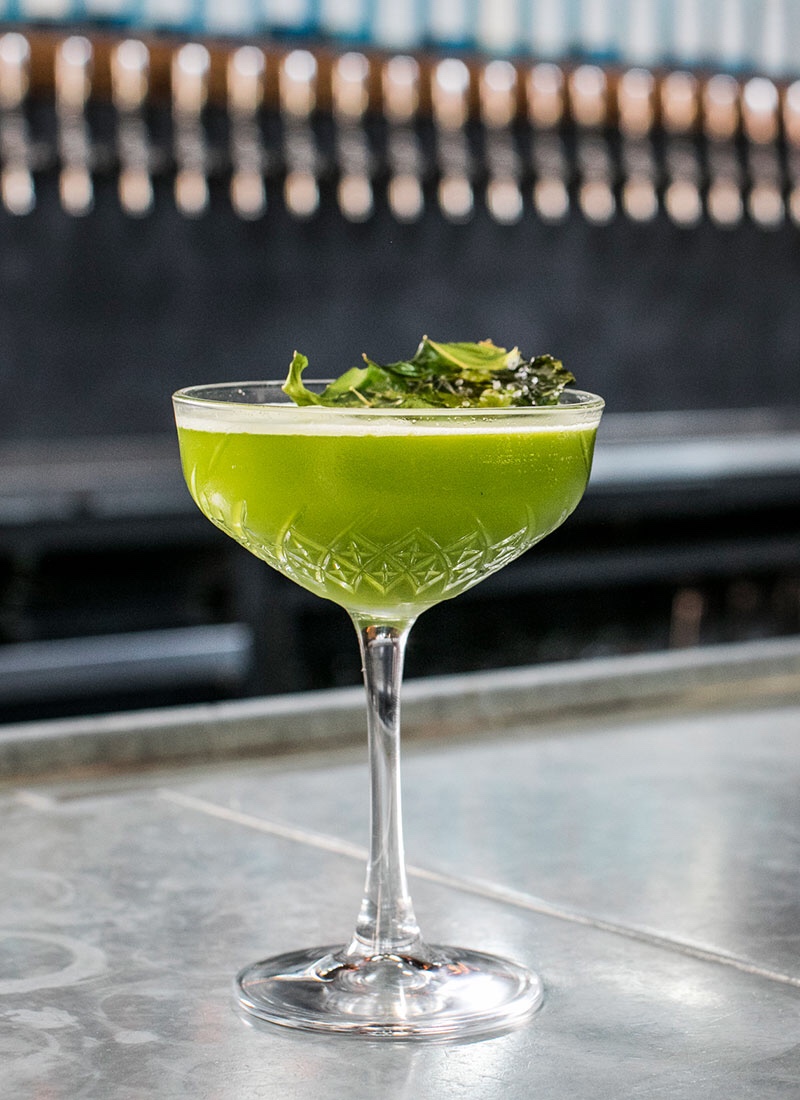
This vegetable concoction is a beautiful green color reminiscent of a lush, grassy meadow. Gin is the perfect base for the savory ingredients. The preparation of the drink is quick and simple due to the ease with which snow peas and basil are muddled.

3 snow peas

3 basil leaves

Sprig dill

Bar spoon pink and black peppercorns

2 ounces gin

¾ ounce Sour Mix

Garnish basil leaf and pink peppercorns

Muddle the snow peas, basil, dill, and peppercorns in a shaker. Add the gin, Sour Mix, and ice to the shaker and shake vigorously. Double strain into a coupe glass. Garnish with a basil leaf and pink peppercorns or garnish of your choice.