Stonehenge: Was it Relocated?

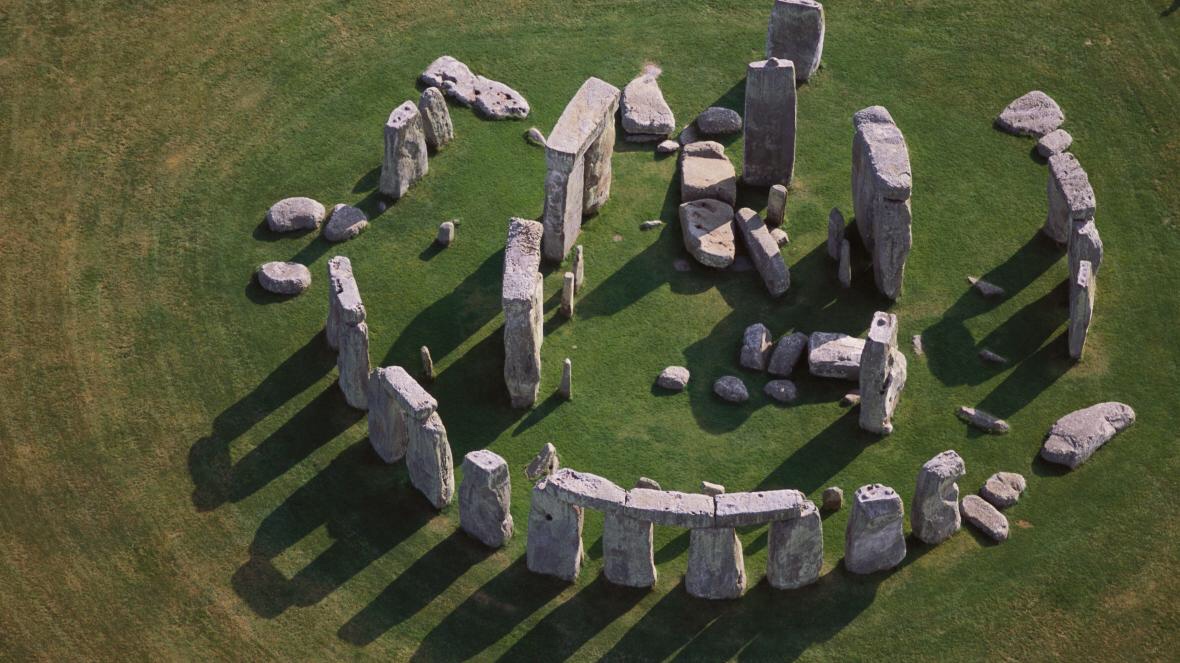
The discovery of a dismantled stone circle—close to Stonehenge’s bluestone quarries in west Wales—raises the possibility that a 900-year-old legend about Stonehenge being built from an earlier stone circle contains a grain of truth. Radiocarbon and OSL dating of Waun Mawn indicate construction c. 3000 BC, shortly before the initial construction of Stonehenge. The identical diameters of Waun Mawn and the enclosing ditch of Stonehenge, and their orientations on the midsummer solstice sunrise, suggest that at least part of the Waun Mawn circle was brought from west Wales to Salisbury Plain. This interpretation complements recent isotope work that supports a hypothesis of migration of both people and animals from Wales to Stonehenge.

In the oldest story of Stonehenge’s origins, the History of the Kings of Britain (c. AD 1136), Geoffrey of Monmouth describes how the monument was built using stones from the Giants’ Dance stone circle in Ireland. Located on legendary Mount Killaraus, the circle was dismantled by Merlin and shipped to Amesbury on Salisbury Plain by a force of 15,000 men, who had defeated the Irish and captured the stones. According to the legend, Stonehenge was built to commemorate the death of Britons who were treacherously killed by Saxons during peace talks at Amesbury. Merlin wanted the stones of the Giants’ Dance for their magical, healing properties.

This 900-year-old legend is fantasy: the Saxons arrived not in prehistory, but only 700 years before Geoffrey’s own time, and none of Stonehenge’s stones came from Ireland. Yet the fact that Stonehenge’s ‘bluestones’ derive from Wales—far to the west of Salisbury Plain—has led to speculation that there may be some truth in Geoffrey’s pseudo-history. Moreover, at the time Geoffrey was writing, this region of south-west Wales was considered Irish territory. One possibility is that the bluestones did indeed derive from a stone circle in west Wales, which was dismantled and re-erected as Stonehenge. A similar conclusion was reached a century ago by geologist Herbert Thomas, who established that the spotted dolerite bluestones at Stonehenge originated in the Preseli Hills of west Wales, where, he suspected, they had originally formed a “venerated stone-circle”

Source: Journal Antiquity
Arctic Permafrost Releases More Carbon Dioxide Than Once Believed

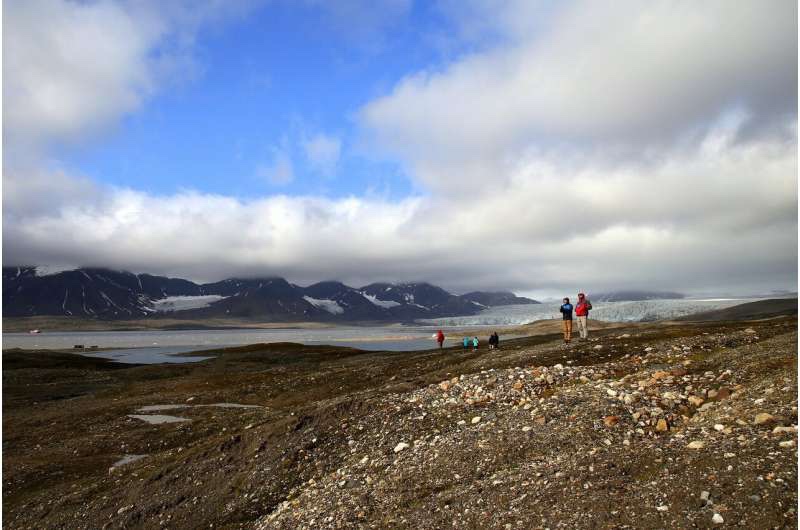
Rising global temperatures are causing frozen Arctic soil— permafrost—in the northern hemisphere to thaw and release CO2 that has been stored within it for thousands of years. The amount of carbon stored in permafrost is estimated to be four times greater than the combined amount of CO2 emitted by modern humans.

Research results from an international team, which includes a researcher from the University of Copenhagen among others, suggests that the newly discovered phenomenon will release even larger quantities of CO2 than once supposed from organic matter in permafrost—a pool of carbon previously thought to be bound tightly and safely sequestered by iron.

The amount of stored carbon that is bound to iron and gets converted to CO2 when released is estimated to be somewhere between two and five times the amount of carbon released annually through anthropogenic fossil fuel emissions.

Iron doesn’t bind organic carbon after all

Researchers have long been aware that microorganisms play a key role in the release of CO2 as permafrost melts. Microorganisms activated as soil thaws convert dead plants and other organic material into greenhouse gases like methane, nitrous oxide and carbon dioxide.

What is new, is that the mineral iron was believed to bind carbon even as permafrost thawed. The new result demonstrates that bacteria incapacitate iron’s carbon trapping ability, resulting in the release of vast amounts of CO2. This is an entirely new discovery.

“What we see is that bacteria simply use iron minerals as a food source. As they feed, the bonds which had trapped carbon are destroyed and it is released into the atmosphere as greenhouse gas,” explains Associate Professor Carsten W. Müller of the University of Copenhagen’s Department of Geosciences and Natural Resource Management. He elaborates:

“Frozen soil has a high oxygen content, which keeps iron minerals stable and allows carbon to bind to them. But as soon as the ice melts and turns to water, oxygen levels drop and the iron becomes unstable. At the same time, the melted ice permits access to bacteria. As a whole, this is what releases stored carbon as CO2,” explains Müller.

The study has just been published in Nature Communications.

Absent from climate models

Although the researchers have only studied a single bog area in Abisko, northern Sweden, they have compared their results with data from other parts the northern hemisphere and expect their new results to also be valid in other areas of permafrost worldwide.

“This means that we have a large new source of CO2 emissions that needs to be included in climate models and more closely examined,” says Carsten W. Müller.

Even though carbon stored in permafrost has a major impact on our climate, researchers know very little about the mechanisms that determine whether carbon in soil is converted into greenhouse gases.

“The majority of climate research in the Arctic focuses on the amount of stored carbon and how sensitive it is to climate change. There is a great deal less of a focus on the deeper mechanisms which trap carbon in soil,” says Carsten W. Müller.

Researchers remain uncertain about how much extra carbon from soil could potentially be released through this newly discovered mechanism. Closer investigation is needed.

Source: University of Copenhagen

Green New Deal Polling

Green New Deal Polling:

Green New Deal Very General Summary: The proposal would achieve net-zero greenhouse-gas emissions by creating millions of green jobs and investing in a new, clean-energy infrastructure.

Research shows that age strongly predicts support for the Green New Deal, even controlling for several variables like party, ideology, and race. One wonders if this is because young people, unlike older generations, must contemplate living through the worst effects of climate change a few decades down the line.

Polling Question: “Would you support or oppose a Green New Deal to end fossil fuel use in the United States and have the government create clean energy jobs? The plan would be paid for by raising taxes, including a tax on carbon emissions.”

Reference: Millennials as ages 18–37, Generation X as 38–53, baby boomers as 54–72, and Silent as 72 or older.

Note: “Data For Progress” who conducted the poll is a progressive think tank.

#GreenNewDeal #ClimateChange

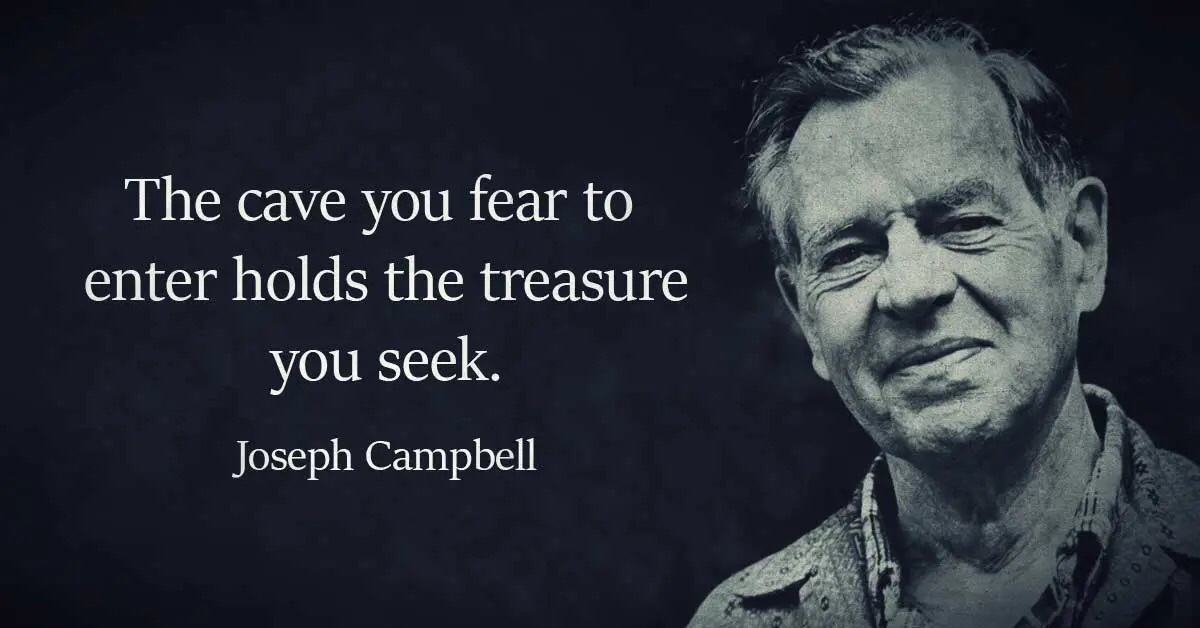
Joseph Campbell Defines Mythology

“One might reasonably define mythology as other people’s religion. The definition of religion is equally uncomplicated: it is misunderstood mythology. The misunderstanding consists typically in interpreting mythological symbols as though they were references to historical facts. . . . One finds the same basic mythological themes in all the religions of the world, from the most primitive to the most sophisticated, from the North American plains to European forests to Polynesian atolls. The imagery of myth is a language, a ‘lingua franca’ that expresses something basic about our deepest humanity.”

~ Joseph Campbell

#FavoriteQuotes #JosephCampbell

Chocolate Hazelnut Spread

2 cups hazelnuts

1 teaspoon vanilla extract

¼ cup raw cacao powder

pinch of Himalayan salt

½ cup rice malt syrup

1 tablespoon coconut oil

¾ cup non-dairy milk of your choice

Preheat the oven to 315ºF.

Spread the hazelnuts on a baking tray and bake for 5–10 minutes, or until browned. Remove from the oven and leave to cool slightly, then rub off the skins.

Place the hazelnuts in a high-speed food processor. Blend for 2–3 minutes, or until they turn into a butter. Add all the remaining ingredients and process until smooth.

Store in an airtight container in the fridge. It will keep for up to 2 weeks.

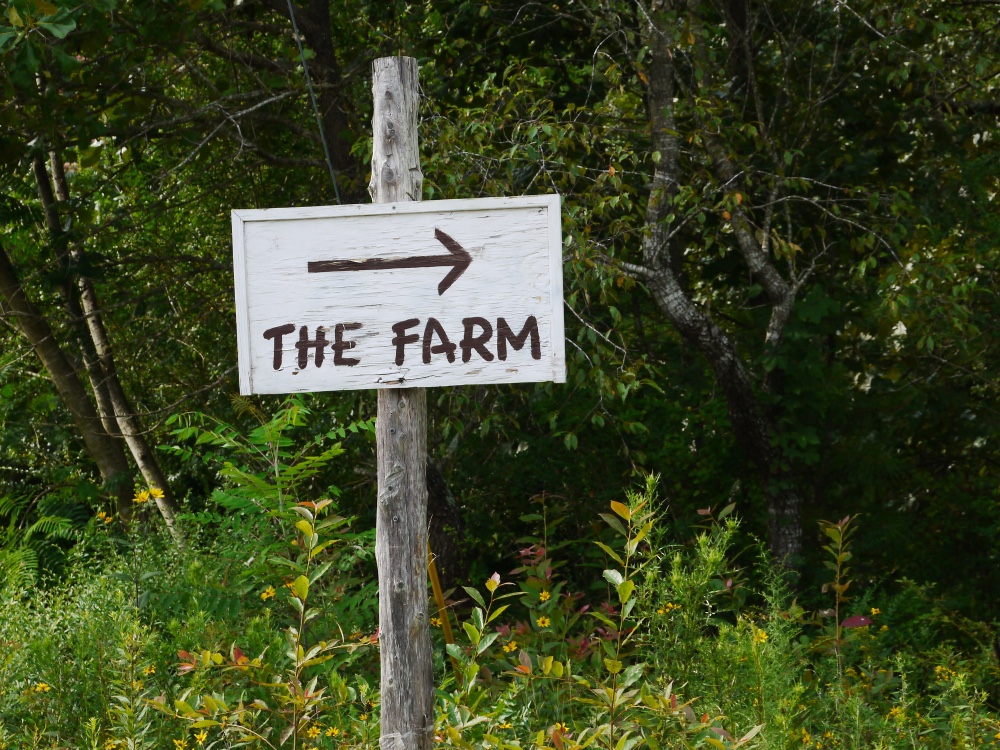
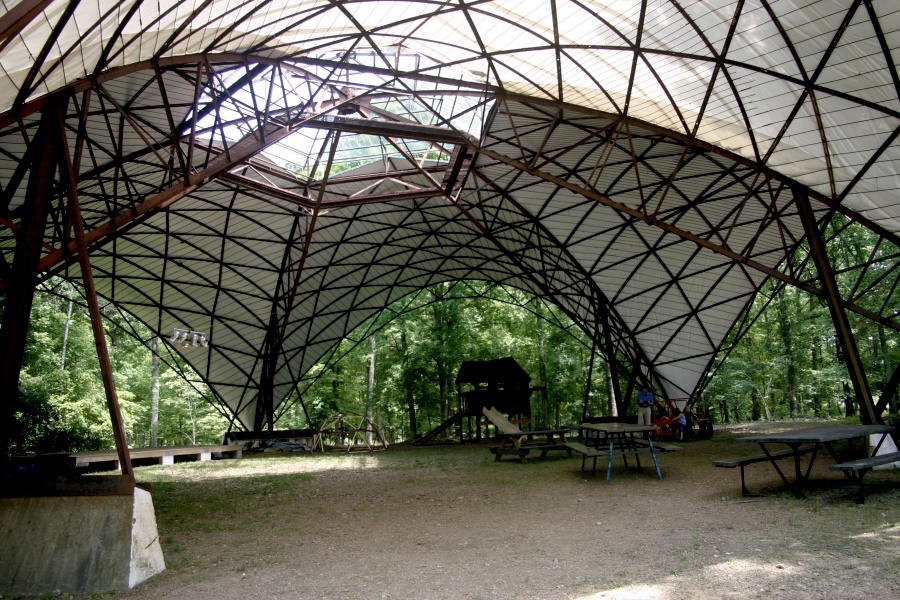
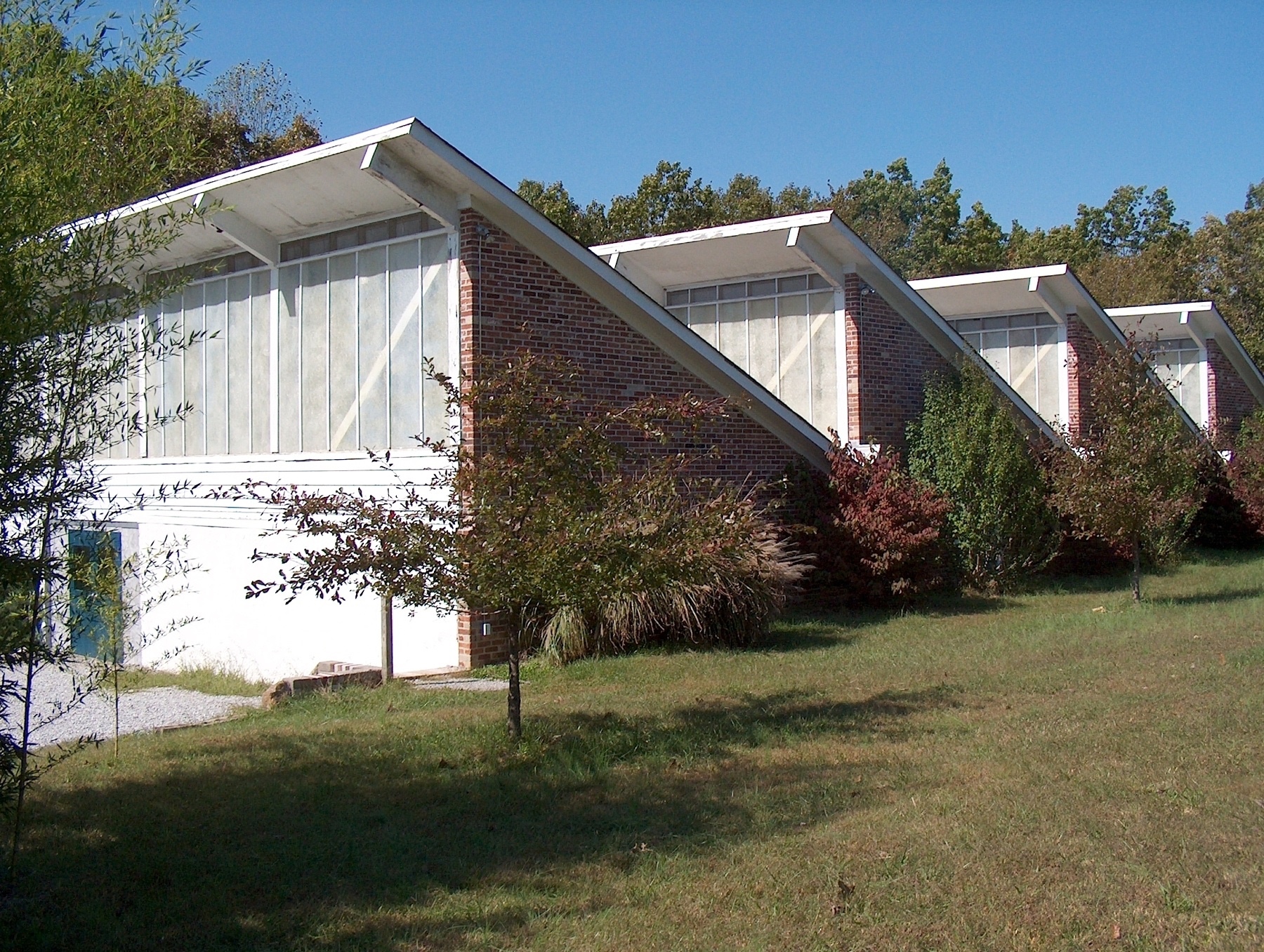
The Farm Community – Summertown, Tennessee

The Farm is the oldest and biggest intentional community, at its peak in the 80’s it had over 1500 members. It is an intentional community that fostered spiritual growth, world peace and ecological harmony. Today the Farm has about 175 residents. 

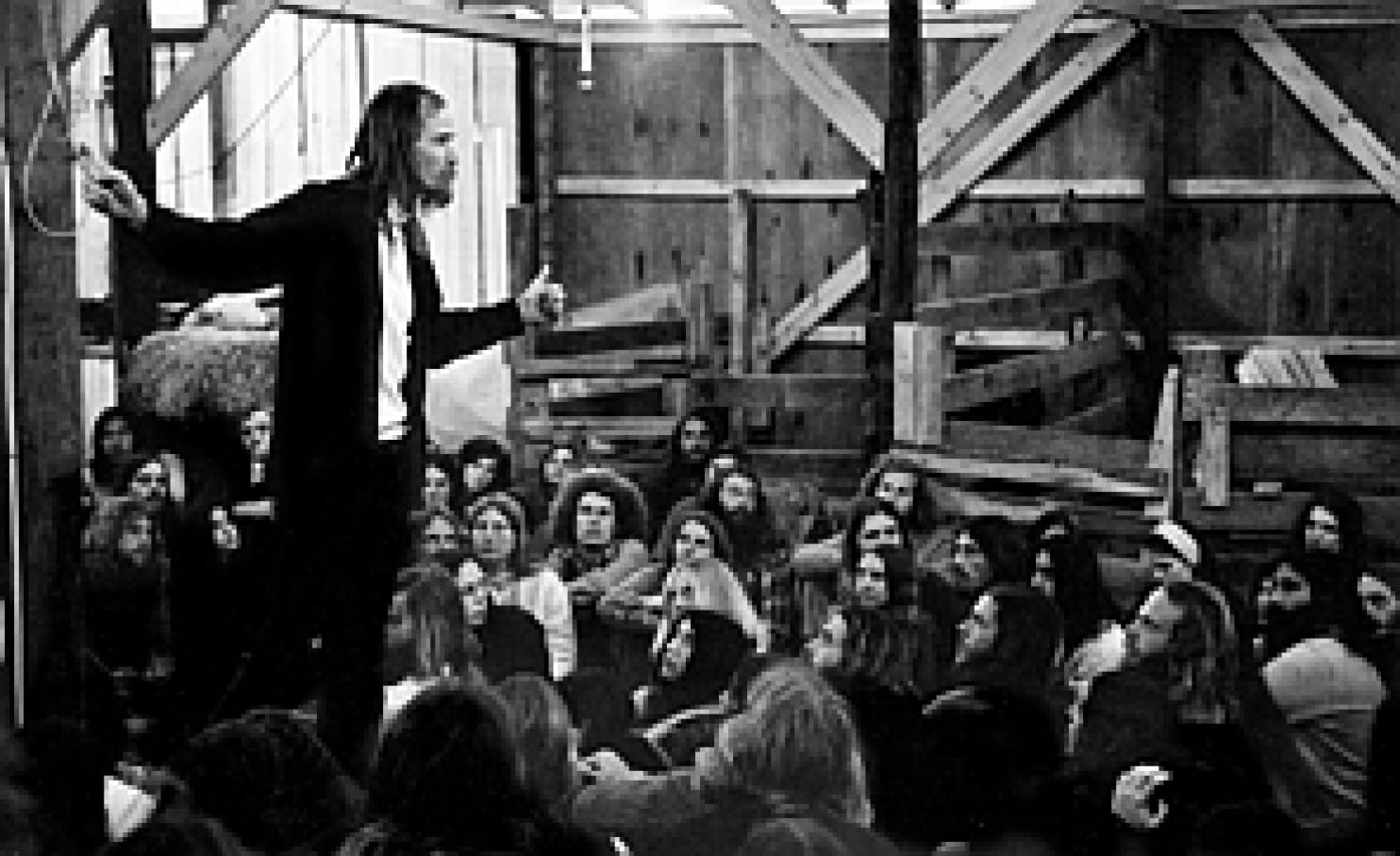
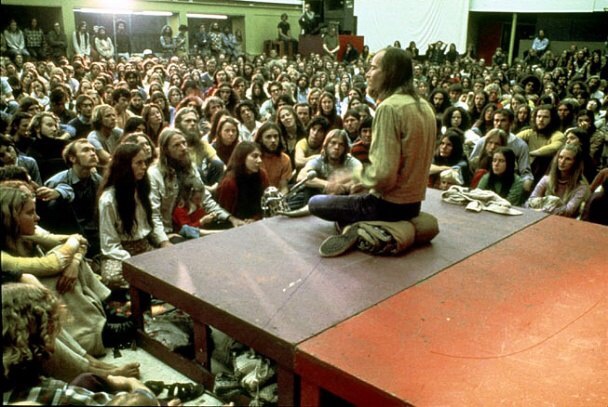
It was founded in 1971 by Stephen Gaskin and 320 hippies from San Francisco. Gaskin and friends led a caravan of 60 buses, vans, and trucks from San Francisco on a four month speaking tour across the US. Along the way, they became a community, lacking only in land to put down roots. After returning to California, the decision was made to buy land together. Combining all their resources would finance purchase of only about fifty acres in California. Another month on the road brought the group back to Tennessee, where they checked out various places that might be suitable to settle. They deciding on property in outside of Summertown south of Nashville. After buying 1,064 acres for $70 per acre, the group began building its community in the woods alongside the network of crude logging roads that followed its ridgelines. Shortly thereafter, an adjoining 750 acres were purchased for $100 per acre.

Gaskin and friends led a caravan of 60 buses, vans, and trucks from San Francisco on a four month speaking tour across the US. Along the way, they became a community, lacking only in land to put down roots. After returning to California, the decision was made to buy land together. Combining all their resources would finance purchase of only about fifty acres in California. Another month on the road brought the group back to Tennessee, where they checked out various places that might be suitable to settle. They deciding on property in outside of Summertown south of Nashville. After buying 1,064 acres for $70 per acre, the group began building its community in the woods alongside the network of crude logging roads that followed its ridgelines. Shortly thereafter, an adjoining 750 acres were purchased for $100 per acre.

In 1983, due to financial difficulties and also a challenge to Gaskin’s leadership and direction, the Farm changed its agreement and began requiring members to support themselves with their own income rather than to donate all income to the central bank.This decollectivization was called the ‘Changeover,’ or ‘the Exodus.’

In the nineties, with the community back on solid ground, The Farm returned to its original purpose of initiating social change through outreach and example. The Ecovillage Training Center was established as an educational facility in new technologies such as solar energy, bio fuels, and construction techniques based on locally available, eco-friendly materials.

Gaskin’s wife, Ina May Gaskin and the midwives of the Farm created The Farm Midwifery Center, one of the first out-of-hospital birth centers in the United States. Family members and friends are commonly in attendance and are encouraged to take an active role in the birth.

“Gaskin, a longtime critic of American maternity care, is perhaps the most prominent figure in the crusade to expand access to, and to legalize, midwife-assisted home birth. Although she practices without a medical license, she is invited to speak at major teaching hospitals and conferences around the world and has been awarded an honorary doctorate from Thames Valley University in England. She is the only midwife to have an obstetric procedure named for her. The Gaskin Maneuver is used for shoulder dystocia, when a baby’s head is born but her shoulders are stuck in the birth canal.”

~ New York Times

The Farm Community – Beliefs and Agreements

The Farm Community is comprised of many individuals, each with their own vision and ideas about spirituality as it applies to their daily life. It was founded on the principle that we respect all religions and practices. There are many basic agreements that were telepathically understood, however in an effort to avoid the creation of dogma and ritual, no formal document exists that defines the spiritual beliefs of The Farm.

Some years ago, several members of The Farm Membership Committee endeavored to create such a document, researching through previously published books and materials to identify statements that could still ring true for most members of the community. Although we make no claim that it represents every person completely, we present it here to give you some concept of our original beliefs and agreements.

As a church, we live in community and our reverence for life has always been central to our ways. Within The Farm Community, people could live together and pursue a spiritual path that includes, but were not limited to, the following common beliefs and agreements:

We believe that there are non-material planes of being or levels of consciousness that everyone can experience, the highest of these being the spiritual plane.

We believe that we are all one, that the material and spiritual are one,
and the spirit is identical and one in all of creation.

We believe that marriage, childbirth and death are sacraments of our church.

We agree that child rearing and care of the elderly is a holy responsibility.

We believe that being truthful and compassionate is instrumental to living together in peace and as a community.

We agree to be honest and compassionate in our relationships with each other.

We believe in nonviolence and pacifism and are conscientiously opposed to war.

We agree to resolve any conflicts or disagreements in a nonviolent manner.

We agree to keep no weapons in the community.

We believe that vegetarianism is the most ecologically sound and humane lifestyle for the planet, but that what a person eats does not dictate their spirituality.

We agree that livestock, fish, or fowl will not be raised in the community for slaughter.

We believe that the abuse of any substance is counterproductive to achieving a high consciousness.

We agree to strive for a high level of consciousness in our daily lives.

We believe that the earth is sacred.

We agree to be respectful of the forests, fields, streams and wildlife that are under our care.

We agree that the community is a wildlife sanctuary with no hunting for sport or food.

We believe that humanity must change to survive.

We agree to participate in that change by accepting feedback about ourselves.

We believe that we, individually and collectively, create our own life experience.

We agree to accept personal responsibility for our actions.

We believe that inner peace is the foundation for world peace.

The Rök Stone

The Rök Stone is one of Sweden’s most interesting rune stones. A man called Varin erected it in honour of his dead son’s memory in the 9th century. The stone stands beside Röks Church on the plains of the province of Östergötland. Its complicated web of stories continues to baffle scholars.

The Rök Stone stands two and a half metres above ground and around one metre beneath ground. The boulder of pale grey, fine-grained granite probably originates close to where it was found. The surface is strewn with runes; there are around 280 on the front and 450 on the back side. The stone engraver composed the placement of his text so brilliantly that a person standing upright can read the meandering runes. The stone is now protected by a pyramid-shaped roof in the outdoor museum that was established in 1991.

Varin’s contemporaries must have perceived the Rök Stone as a literary and artistic masterpiece. A rune stone carver with a distinct sense of form and ornament has created the decorative text. He also appears to have been a learned poet, familiar with mythic tales and conceptions of the period. It seems like he wanted to put the reader’s acumen and education on trial. Nowadays, scholars agree about how to read the Rök Stone, but not on how to interpret it. The stone consists of convoluted legends, obscure myths and various epics, as well as accounts of Varin’s own family history.

The monumental size and rich ornamentation of the Rök Stone suggests that the man called Varin belonged to an influential family. Furthermore, the appearance of Thor, a pagan God, in the latter part of the text, could be an effort to give a divine legitimacy to Varin and his family. In that sense, the stone served as a memorial of a lost son, as well as a status symbol for the family.

Source: Swedish National Museum

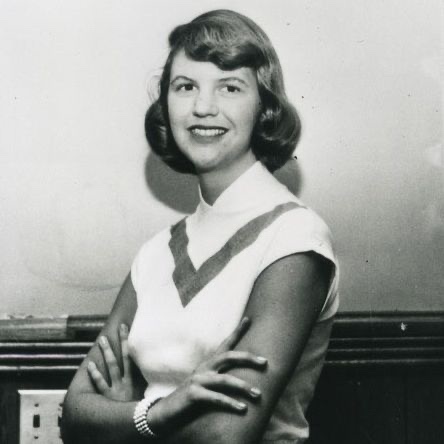
Tulips – Sylvia Plath

One of my favorite poems by those who died too young:

Sylvia Plath died in London, England, on this day in 1963 (Suicide, aged 30)

Tulips – Sylvia Plath (18 March 1961)

The tulips are too excitable, it is winter here.

“Look how white everything is, how quiet, how snowed-in.

I am learning peacefulness, lying by myself quietly

As the light lies on these white walls, this bed, these hands.

I am nobody; I have nothing to do with explosions.

I have given my name and my day-clothes up to the nurses

And my history to the anesthetist and my body to surgeons.


They have propped my head between the pillow and the sheet-cuff

Like an eye between two white lids that will not shut.

Stupid pupil, it has to take everything in.

The nurses pass and pass, they are no trouble,

They pass the way gulls pass inland in their white caps,

Doing things with their hands, one just the same as another,

So it is impossible to tell how many there are.


My body is a pebble to them, they tend it as water

Tends to the pebbles it must run over, smoothing them gently.

They bring me numbness in their bright needles, they bring me sleep.

Now I have lost myself I am sick of baggage———

My patent leather overnight case like a black pillbox,

“My husband and child smiling out of the family photo;

Their smiles catch onto my skin, little smiling hooks.


I have let things slip, a thirty-year-old cargo boat

Stubbornly hanging on to my name and address.

They have swabbed me clear of my loving associations.

Scared and bare on the green plastic-pillowed trolley

I watched my teaset, my bureaus of linen, my books

Sink out of sight, and the water went over my head.

I am a nun now, I have never been so pure.


I didn’t want any flowers, I only wanted

To lie with my hands turned up and be utterly empty.

How free it is, you have no idea how free———

The peacefulness is so big it dazes you,

And it asks nothing, a name tag, a few trinkets.

It is what the dead close on, finally; I imagine them

Shutting their mouths on it, like a Communion tablet.


The tulips are too red in the first place, they hurt me.

Even through the gift paper I could hear them breathe

Lightly, through their white swaddlings, like an awful baby.

Their redness talks to my wound, it corresponds.

They are subtle: they seem to float, though they weigh me down,

Upsetting me with their sudden tongues and their color,

A dozen red lead sinkers round my neck.


Nobody watched me before, now I am watched.

The tulips turn to me, and the window behind me

Where once a day the light slowly widens and slowly thins,

And I see myself, flat, ridiculous, a cut-paper shadow

Between the eye of the sun and the eyes of the tulips,

And I have no face, I have wanted to efface myself.

The vivid tulips eat my oxygen.


Before they came the air was calm enough,

Coming and going, breath by breath, without any fuss.

Then the tulips filled it up like a loud noise.

Now the air snags and eddies round them the way a river

Snags and eddies round a sunken rust-red engine.

They concentrate my attention, that was happy

Playing and resting without committing itself.


The walls, also, seem to be warming themselves.

The tulips should be behind bars like dangerous animals;

They are opening like the mouth of some great African cat,

And I am aware of my heart: it opens and closes

Its bowl of red blooms out of sheer love of me.

The water I taste is warm and salt, like the sea,

And comes from a country far away as health.